
Stanislav Biriuchynskyi knows well what it means to lose your home because of the war. And that is why today, in the army, he is doing everything not to allow it to be lost again.
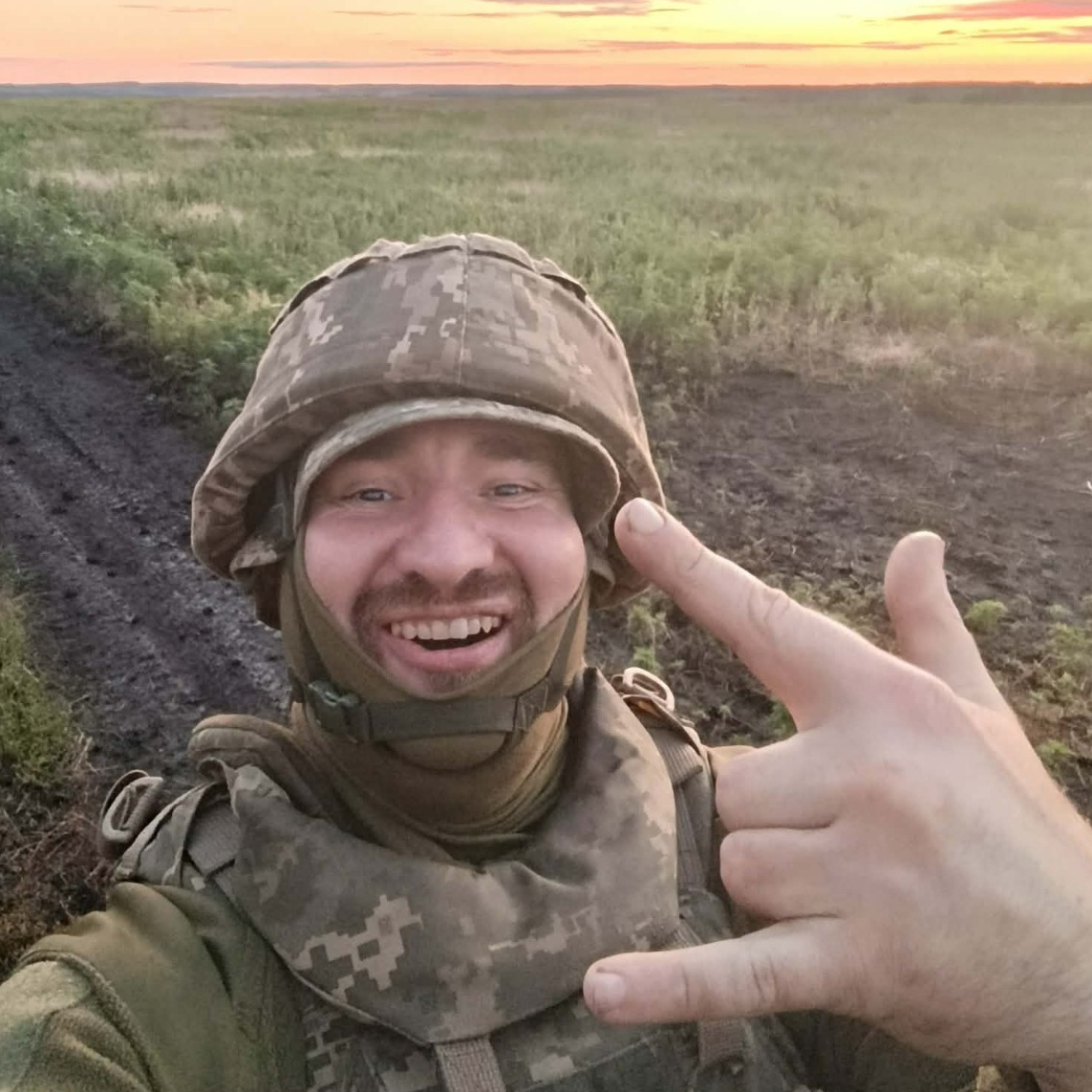
His story begins in Luhansk, the city where he was born, grew up and got his first profession as a builder. His parents lived there, and there were plans for life. But in 2014, the war forced him to leave everything behind. Like thousands of Ukrainians, Stanislav became an internally displaced person. The new home for him was hospitable Zaporizhzhia.
The city received him warmly. Here Stanislav began life anew: he found a job, friends, met his future wife. It was here that he began to put down roots - to build a career and his own future.
In 2017, he came to work at Zaporizhstal plant: he took a course as an assistant locomotive driver, later became a substitute duty officer, and received higher education at Zaporizhzhia Polytechnic University. He planned to work, develop, and live an ordinary peaceful life.
But the war reminded of itself again...
No one cancelled the work shift
On February 24, 2022, Stanislav was supposed to work in the night shift at the plant. He and his wife were still asleep when his relatives announced the terrible news that a full-scale invasion had begun.
"The first minutes were a shock. Then the realization that I knew: this can happen, and I mentally prepared for it. First steps: I went to the plant because I had to go out on shift," he recalls.
At the beginning of the invasion, Zaporizhstal was forced to stop, many employees made a stand for their hometown. Stanislav was among them.
"I am from Luhansk, I have already lost my home once because of the war. And I decided that I will not run away. Zaporizhzhia has become my home, this city has given me a lot, and I have firmly decided that I will defend it," says Stanislav.
That is why he joined the army as a volunteer. At first, they didn't even take him right away – there were long queues. But he did not back down. His wife supported his choice.
The first test of war
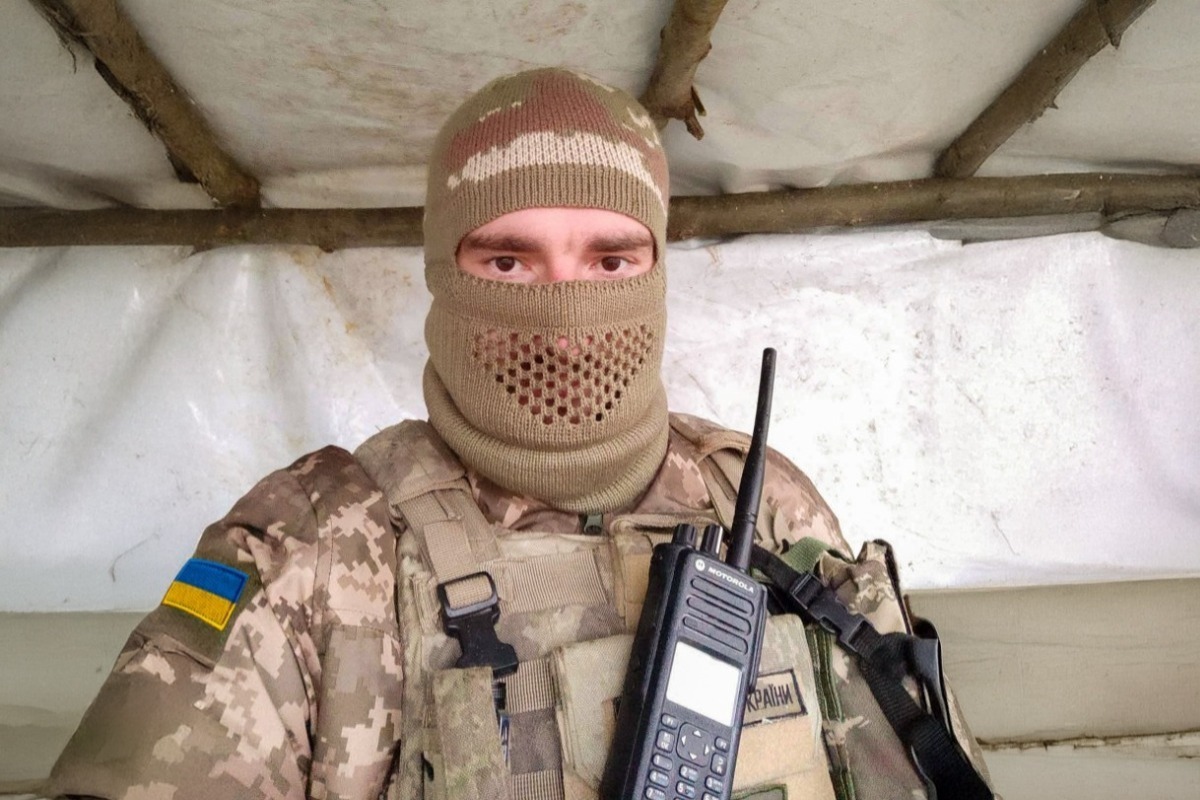
In March 2022, Stanislav, together with his fellow soldiers, went to combat exercises in the Lviv region. There he survived the first great test of the war. On March 13, the Russians launched a massive missile attack on the training ground in Yavoriv in the Lviv region. Then, according to official data, 30 missiles were fired at the site, 35 people were killed, and another 134 were injured.
After training, Stanislav got into the 8th Separate Signal Regiment, which later became the 8th Separate Signal Brigade. A year and a half of service - from a guard company to a repair company, where he repaired radio communication equipment.
From December 2023 to April 2024, he performed tasks in Kyiv, in particular, he helped to provide welfare of the military.
But the front needed people. In April 2024, Stanislav received an order to transfer to the 116th Separate Mechanized Brigade as a large-caliber machine gunner. He was sent to the Kupiansk area – one of the most difficult sectors of the front.
"It was one of the most difficult periods of service. Very heavy battles, there were many losses among our people," he recalls.
At the end of 2024, Stanislav applied for the Drone Line program, an initiative of the legendary Magyar unit. And in February 2025, he was invited to the 429th Achilles regiment. And again, the Kupiansk area...
Nightmare for the enemy
Today, Stanislav serves as a drone maintenance operator. His job is to prepare and equip large bomber attack drones, which the enemy calls "Baba Yaga". Among them are powerful Vampire drones, which have become a real nightmare for Russian positions.
"At night, you can hear us, but no one can see us. And we see everything - even how mice run around the field. So, we will definitely not let the enemy through," Stanislav smiles.
He prepares the drones for departure, equips with ammunition and ensures their operation. And he admits that he treats the drones in almost the same way as locomotives once were.
"I love these drones. Just as we, railway workers, have our favourite series of locomotives, so I have my favourite drones. My favourite is the Vampire, I consider it a weapon of the Victory," Stanislav notes.
The bomber drones often determine the fate of the battle: they cover the infantry during assaults, stop enemy attacks, and help hold positions. Sometimes they even deliver the most necessary things – once they used drones to deliver blood for transfusion to the wounded.
"Every minute during a military operation is important. So, we act in concert and quickly. And it's always nice to hear when everything calms down – it means that ours have held their positions, and we have done our job well," Stanislav concludes.
Our work is our duty
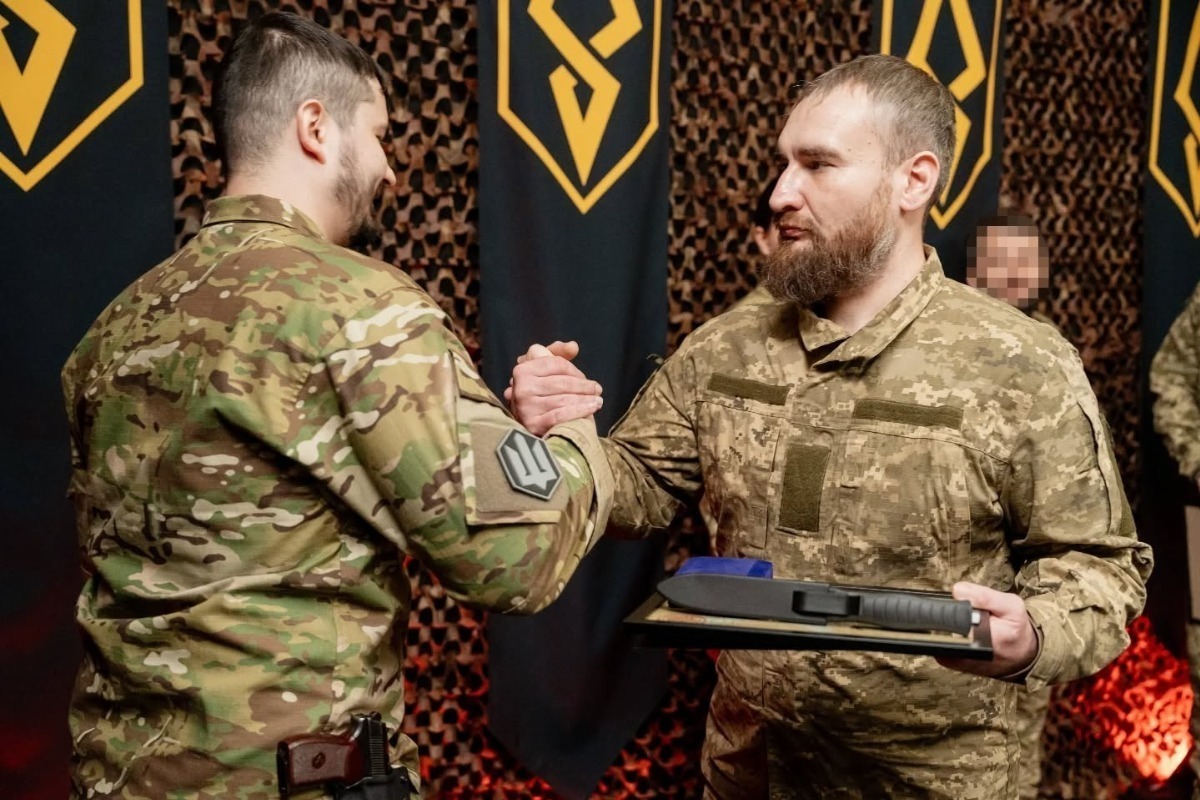
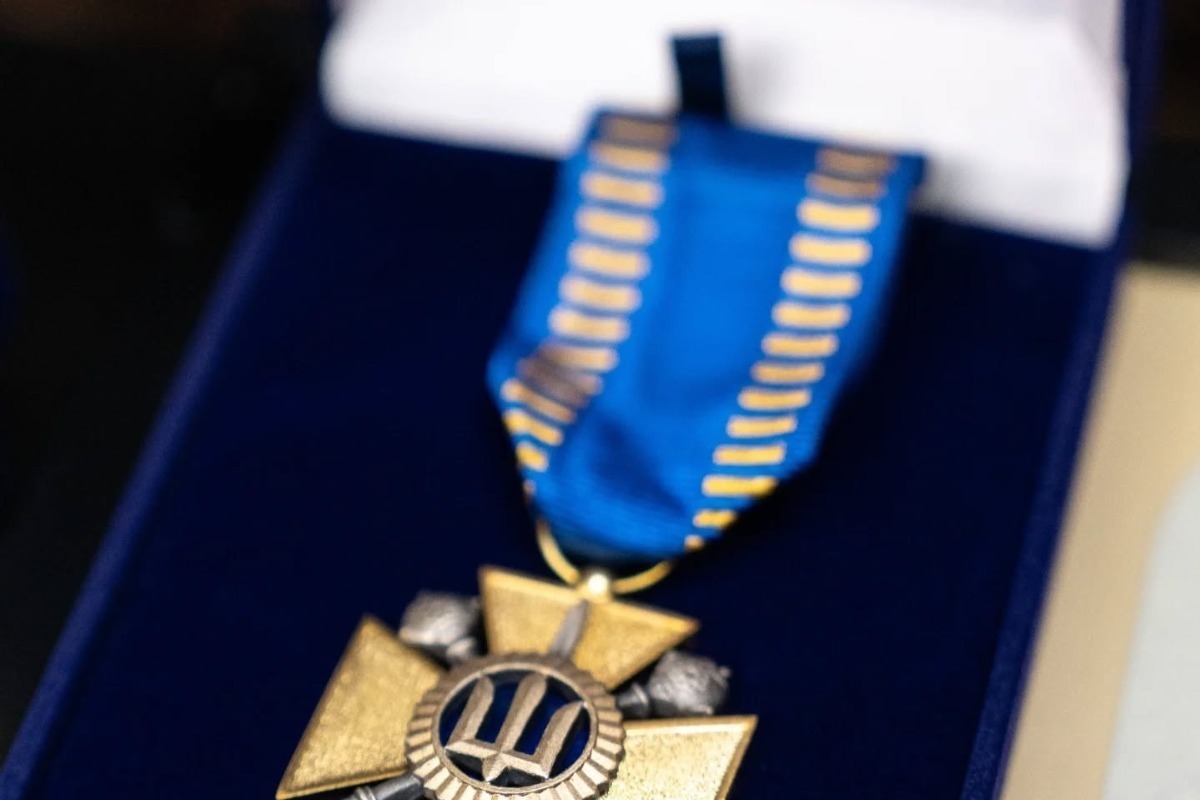
For his service, Stanislav received the Knight's Cross award and an award knife from Magyar. But for him, the main thing is not awards.
"I don't do all this for the sake of awards. I try to be useful so that my fellow soldiers can count on me."
He speaks very honestly about the war.
"War is bad. I lost many friends in the infantry. I feel sorry for young people – they must walk, live a full life, but they are here, in the trenches. I will never understand our enemies. I don't know how you can love war and love to fight. I do this because I must – must stop the enemy, must defend what I have, but not just to fight.
Despite his service, Stanislav keeps in touch with colleagues from Metinvest enterprises.
"Zaporizhstal for me is warm memories of peaceful life. It hurts a lot that the war took this life. But the main thing is not to give up. If you do your duty, then this is your job, no matter how difficult it is. My colleagues work, I defend. Because it is necessary. We are all doing our job, each on his own front," says Stanislav.