
Andrii Pidlisnyi has been employed at Zaporizhstal for 25 years. Despite having obtained a pedagogical education, he chose to associate his professional career with the plant’s railway operations. He currently serves as a wagon inspector in the Railway Transport Department.
Among Andrii’s daily responsibilities are inspecting the technical condition of rolling stock and wagons, as well as preparing them for operation. Such work requires attentiveness, precision and a high degree of responsibility, as the stable production rhythm of the enterprise depends on the operation of its railway transport system.
In addition to his work at the plant, Andrii has been engaged in wood carving for over 30 years. His passion for wood carving began in his youth and has since become an important part of his life.
“My first piece was inspired by Taras Shevchenko, the Kobzar of the Ukrainian people – it was a small clay cottage. At the time, I was still just a child – around eight years old. Then, I went on to bring my ideas to life in wood,” says Andrii PIDLISNYI.
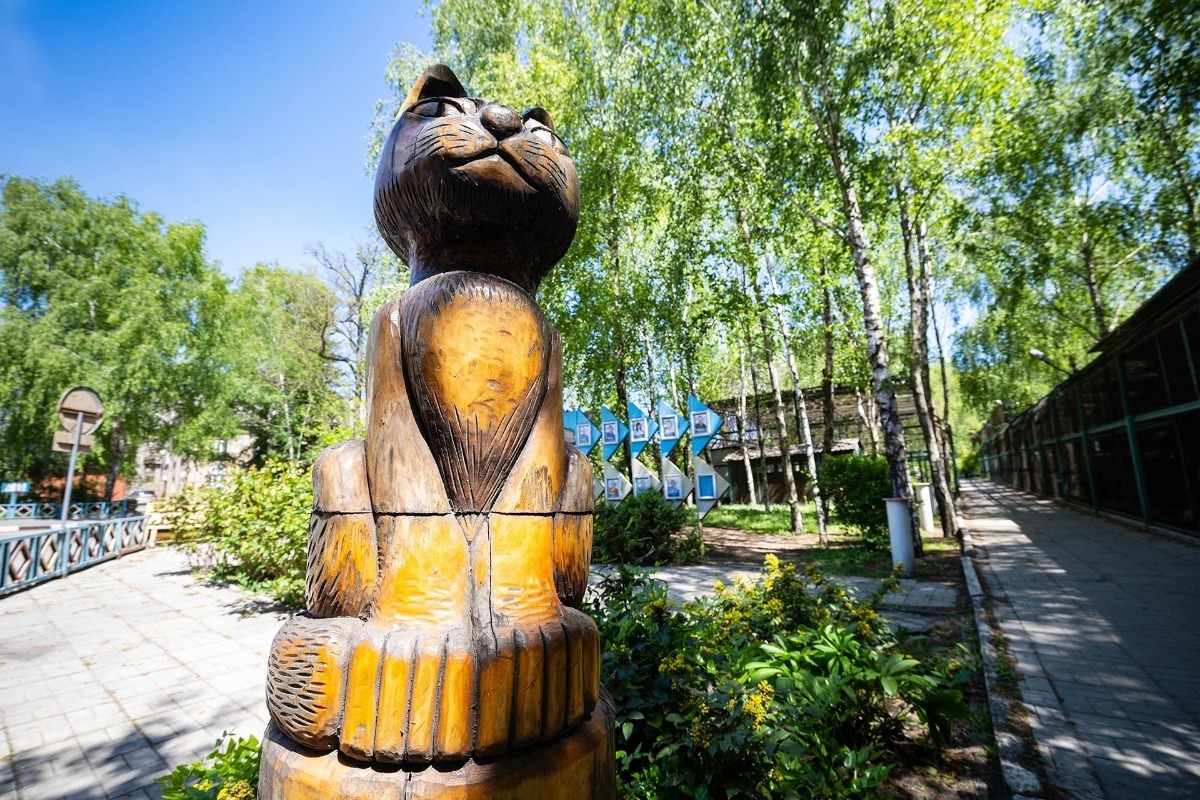
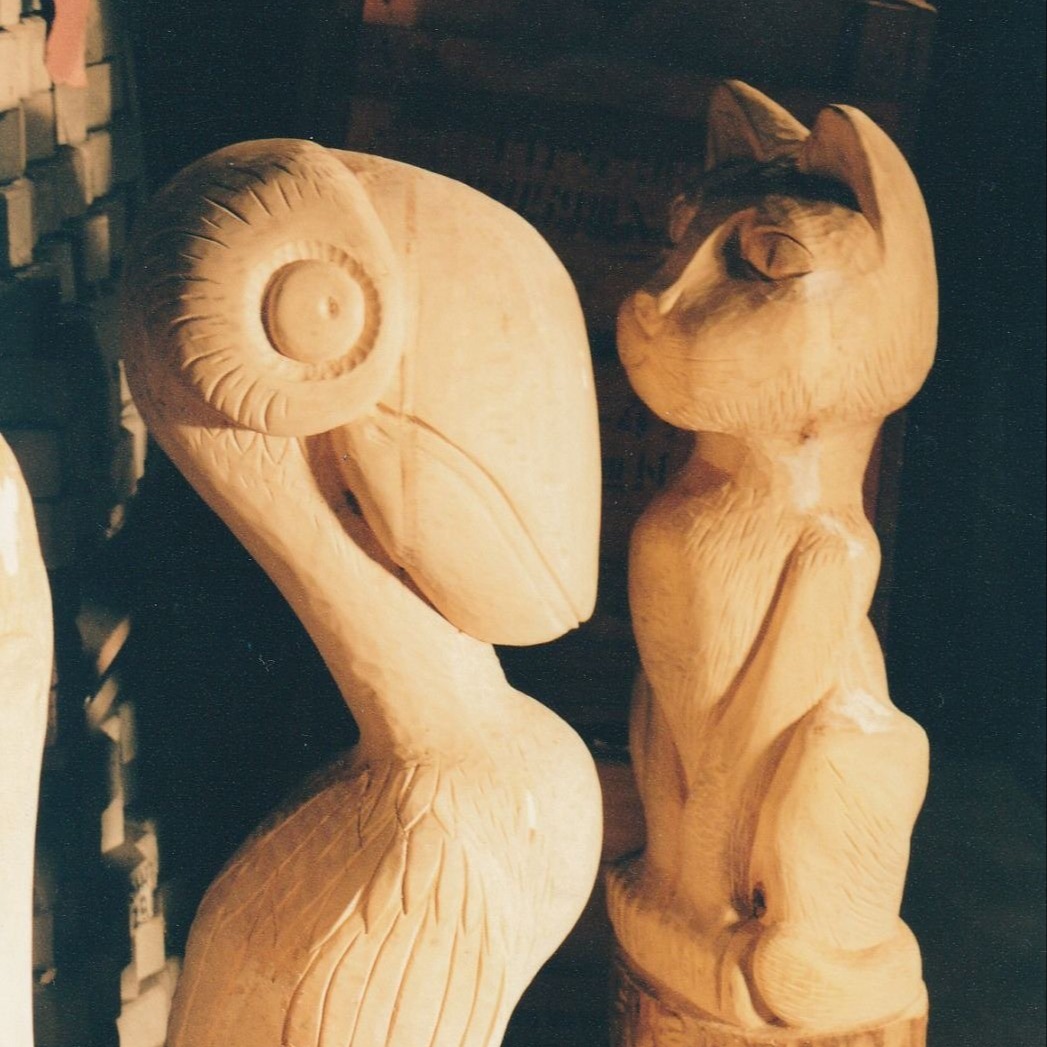
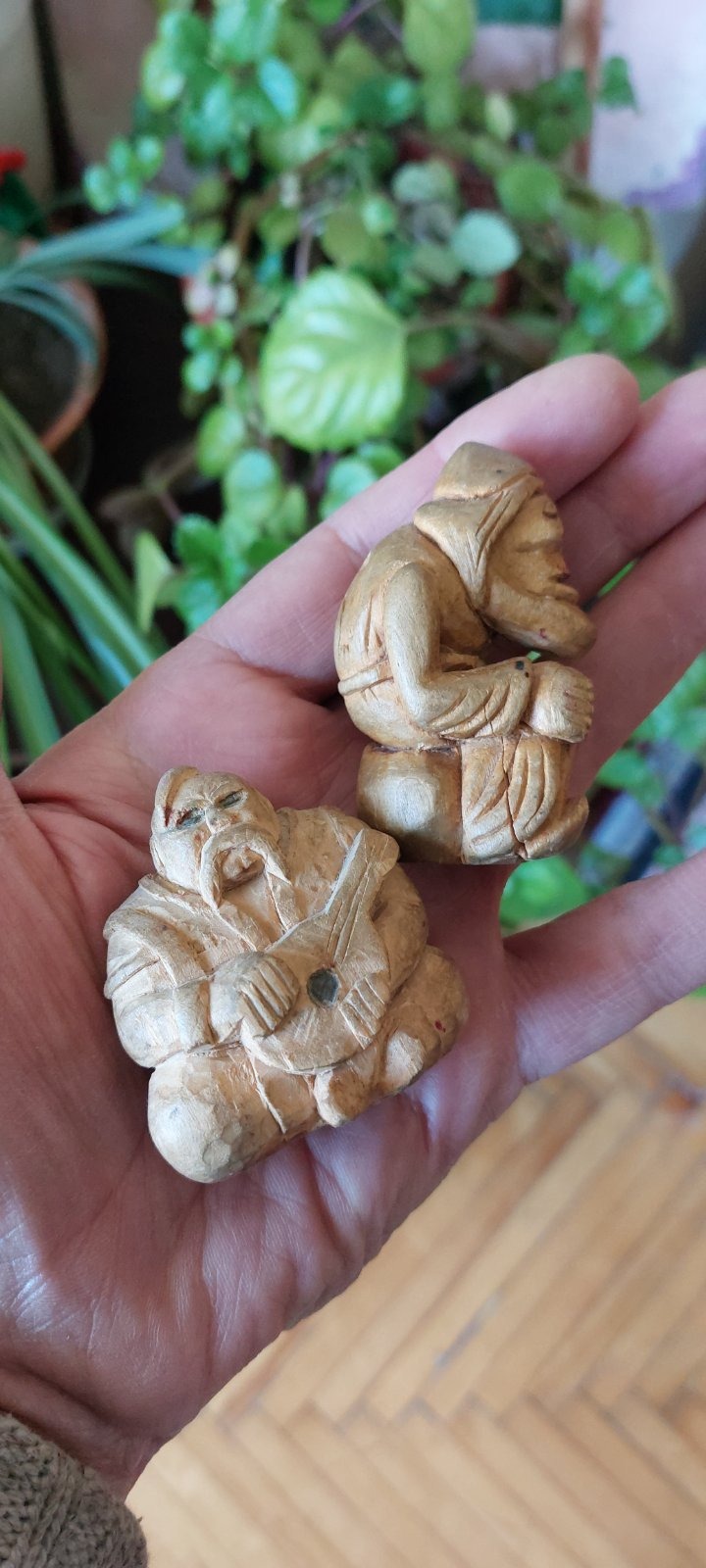
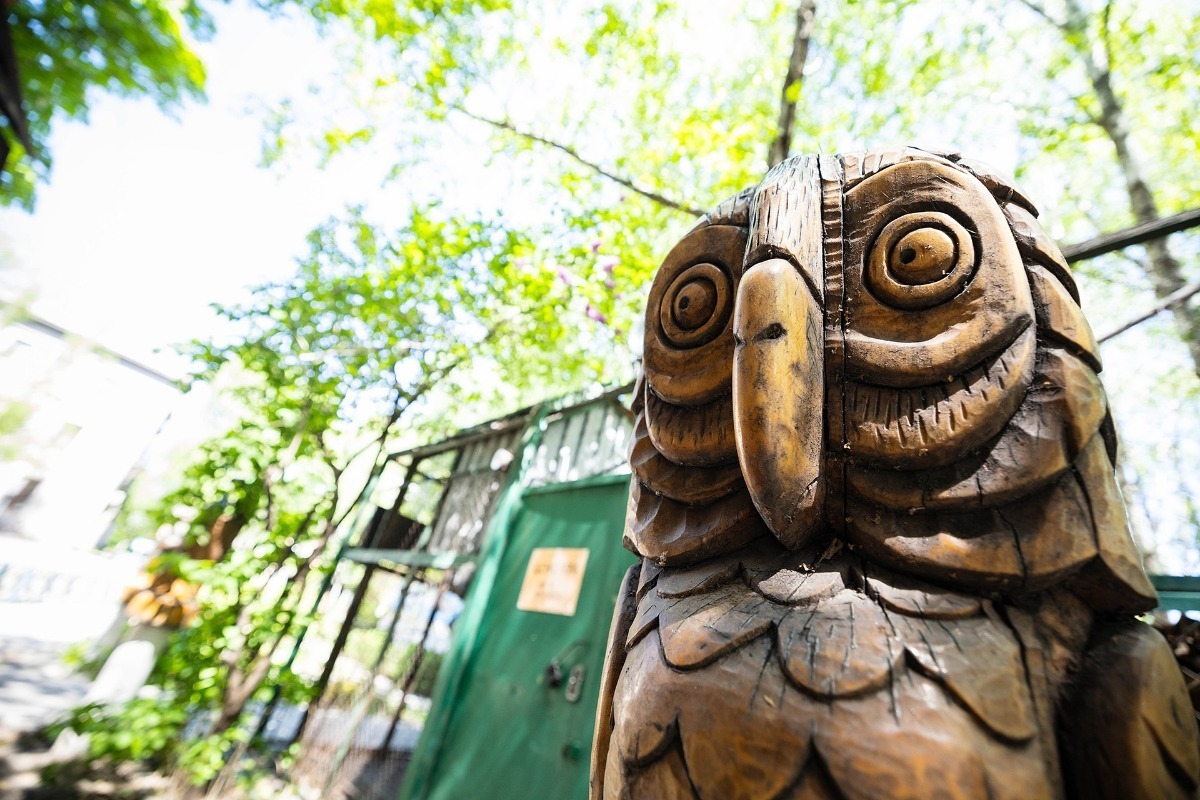
Each subsequent piece became more complex and engaging. Today, Andrii’s creative portfolio comprises more than fifty pieces. These include both small souvenirs and large wooden compositions. For the carving work, the man even handcrafted specialised tools himself.
Andrii gives away most of his works as gifts. Some of the pieces remained at the college where he studied, while others the craftsman presented to colleagues and friends. In addition, the figures and wooden compositions created by him can also be seen on the premises of Zaporizhstal, including at the railway transport department’s petting zoo.
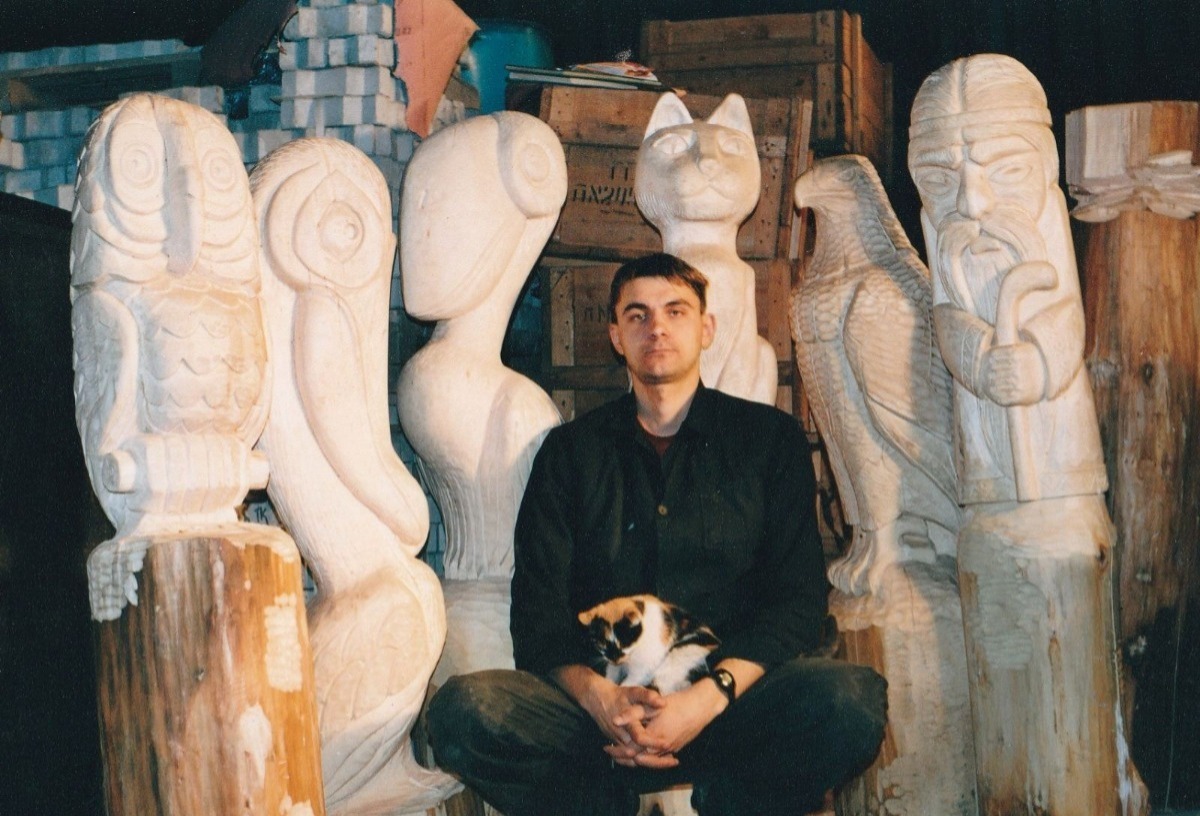
“Every piece I create is special to me, so it would be difficult even to count them all. When I sit down to carve, I become completely absorbed in the process. I enjoy watching an elegant figure gradually emerge from an ordinary piece of wood,” the craftsman says.
Andrii Pidlisnyi continues to develop his passion to this day. He says he is constantly finding new ideas for future works. Sometimes in nature, and sometimes in ordinary things that most people do not even notice.