
Individual learning pathways, continuous career guidance, and stronger collaboration between education and business are shaping new approaches to training specialists in Ukraine. These themes were central at EdCamp in Kryvyi Rih, which brought together educators, experts, business representatives, and Metinvest Polytechnic.
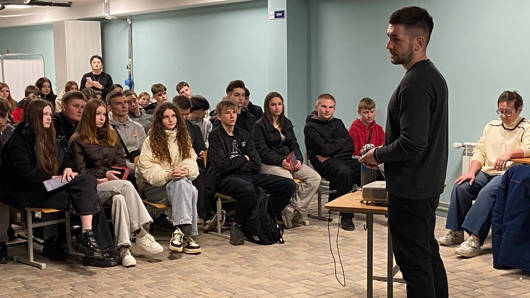
The modern education system teaches everyone the same way – and that is its core problem. Globally, only 23% of people feel engaged in their work, while around 40% of young professionals still do not understand their professional profile even after the age of 25. In Ukraine, the situation is even more acute, with most graduates working outside their field of study. These issues were highlighted during the EdCamp event in Kryvyi Rih, where participants discussed the future of education and career guidance. The event gathered over 180 participants from different cities across Ukraine – educators, experts, and business representatives. The focus of discussion was how to help young people find their own path rather than simply acquire a set of knowledge.
"Our event is called 'Nurturing the Genome of Childhood: Support for Making Dreams Come True.' In this context, the 'genome' includes everything – social, physical, and psychological aspects – the support a child needs not only to survive in these times but to develop. That is why the sessions are very diverse," said Zhanna LUKIANENKO, coordinator of the EdCamp Ukraine event.
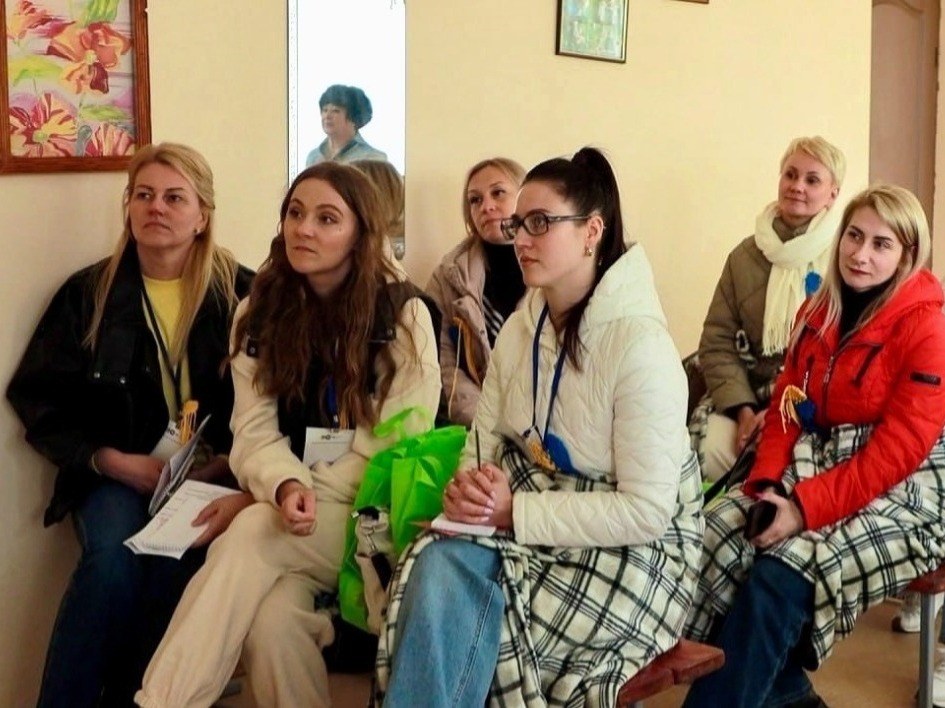

The event was also supported by the NGO "Kryvyi Rih Foundation for the Future" and Metinvest. These partners have traditionally supported responsible teaching in the city, helping to develop modern educational approaches and create an environment where children are motivated to learn and choose a profession based on vocation.
"Our non-governmental organisation, together with Metinvest, has long supported EdCamp in Kryvyi Rih. It is thanks to educators and their approaches that the school system is changing. Our children want to go to school, enjoy learning, and participate in various competitions. Most importantly, they plan to choose their path in life and pursue further education and careers based on their calling, to make them happy," said Olena LESHCHENKO, Director of the NGO "Kryvyi Rih Foundation for the Future".
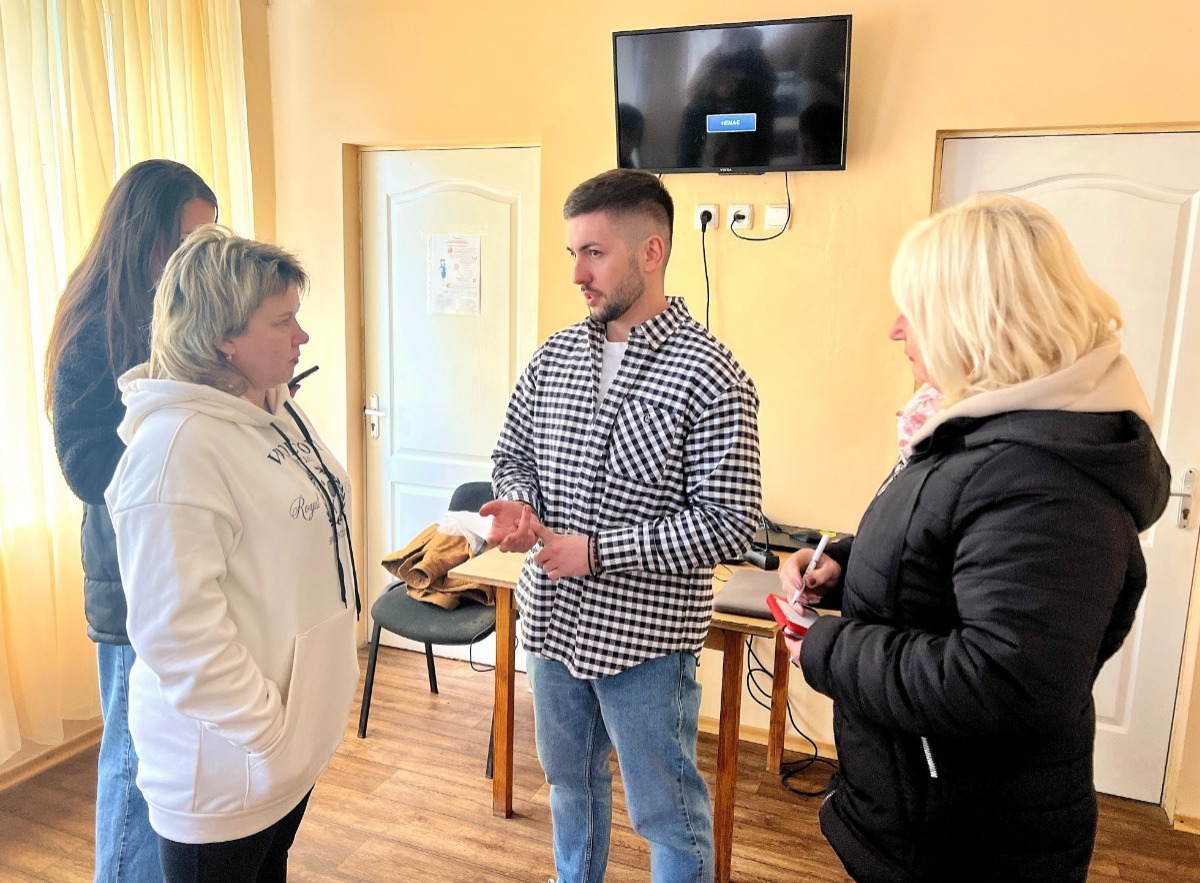
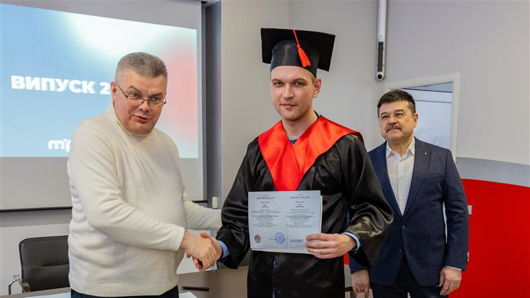
At the organisers' invitation, Metinvest Polytechnic also took part in the event. Vadym Pukhalskyi, Head of the Development Department, presented an approach based on individual learning pathways and professional self-determination. He emphasised that the traditional education model still focuses on what to study, but does not answer the question of career choice. In contrast, Metinvest Polytechnic is implementing a system of individual student tracking – from career guidance before admission to career development during studies.
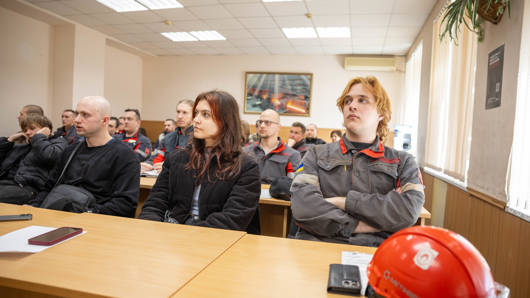
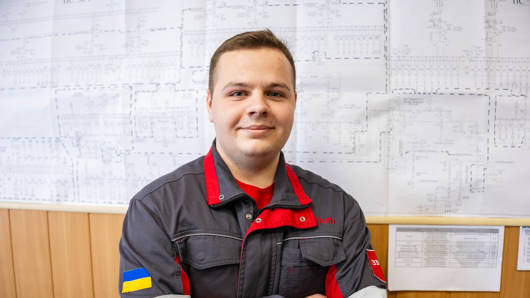
According to Pukhalskyi, the university creates an environment where students can define their professional direction and gradually integrate into it through hands-on practice, real industrial tasks, and collaboration with business. This model includes several levels. The first involves working with school students through career guidance programmes, STEM initiatives, hackathons, and exposure to real production. The second level is education integrated into industrial processes: students work on real business cases from the first years, and teaching is delivered by industry practitioners and managers. The third level is a career pathway formed during studies, including opportunities for a first job, participation in solving business challenges, scholarship programmes, and support at the start of a career.
Representatives of Ukraine's first private mining and metallurgical university also stressed that career guidance should be a continuous process – from school to the first job – and requires systematic cooperation between educational institutions at all levels and business.
Metinvest Polytechnic positions itself as an educational model where university and business collaborate in training specialists, with a focus on practical skills, individual development, and the needs of the economy. During EdCamp, these approaches became part of a broader discussion on transforming education in Ukraine, particularly in the context of national reconstruction, where demand for engineering professions and specialists capable of addressing real-world challenges is growing.
The university’s participation highlighted the transformation of engineering education – a shift towards practice-oriented learning, integration with industry, and training professionals capable of tackling real technological challenges. This approach is seen as a response to the increasing demand for engineering talent amid reconstruction and industrial modernisation.