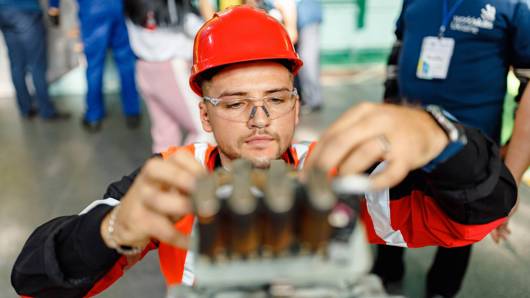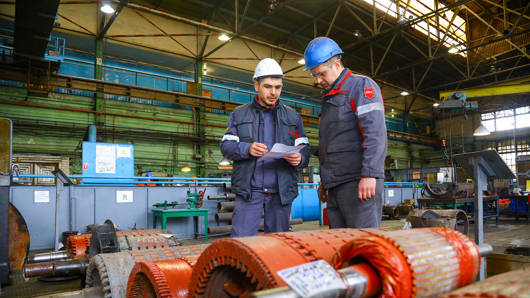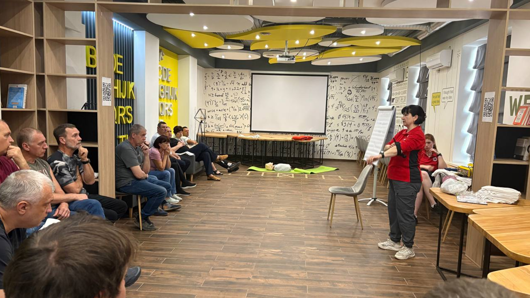

Modern production requires swift decision-making, a high level of employee qualification, precision and well‑coordinated actions. To meet these challenges, Metinvest – and in particular Integrated Iron Ore – is implementing a major project to upgrade its vocational training tools. Its main objective – amid all the challenges of the war (staff shortages, the energy crisis, production re‑engineering, enhanced safety requirements, etc.) – is to ensure production stability and to preserve the expertise accumulated over many years, while passing it on to new employees in a way that is fast, simple and engaging.
The vocational training system at the Iron Ore Plants covers all production and technical areas. It combines solid theoretical instruction with the development of practical skills. Year after year, the plants continue to develop their training base, systematising and expanding the materials that help ensure high‑quality training for specialists.
Last year, the renewal of the corporate training system began: modern formats have been introduced that make employee training simpler and more effective, with a focus on practical skills. Specialists have begun large‑scale work to update the training materials.
At Railway Transport Department (RTD) and Mining and Transport Shop No. 1 (MTS‑1) of Northern Iron Ore, as well as at Kolachevskyi Mine of Central Iron Ore, a project has been implemented to create SOPs and video materials. In particular, this applies to such RTD professions as “locomotive driver assistant” and “traction unit driver assistant”. As well as mining professions such as timberman, shaft man and underground locomotive driver.
Working groups were engaged in the projects, comprising not only specialists from the HR Directorate and training departments but also experienced production professionals.
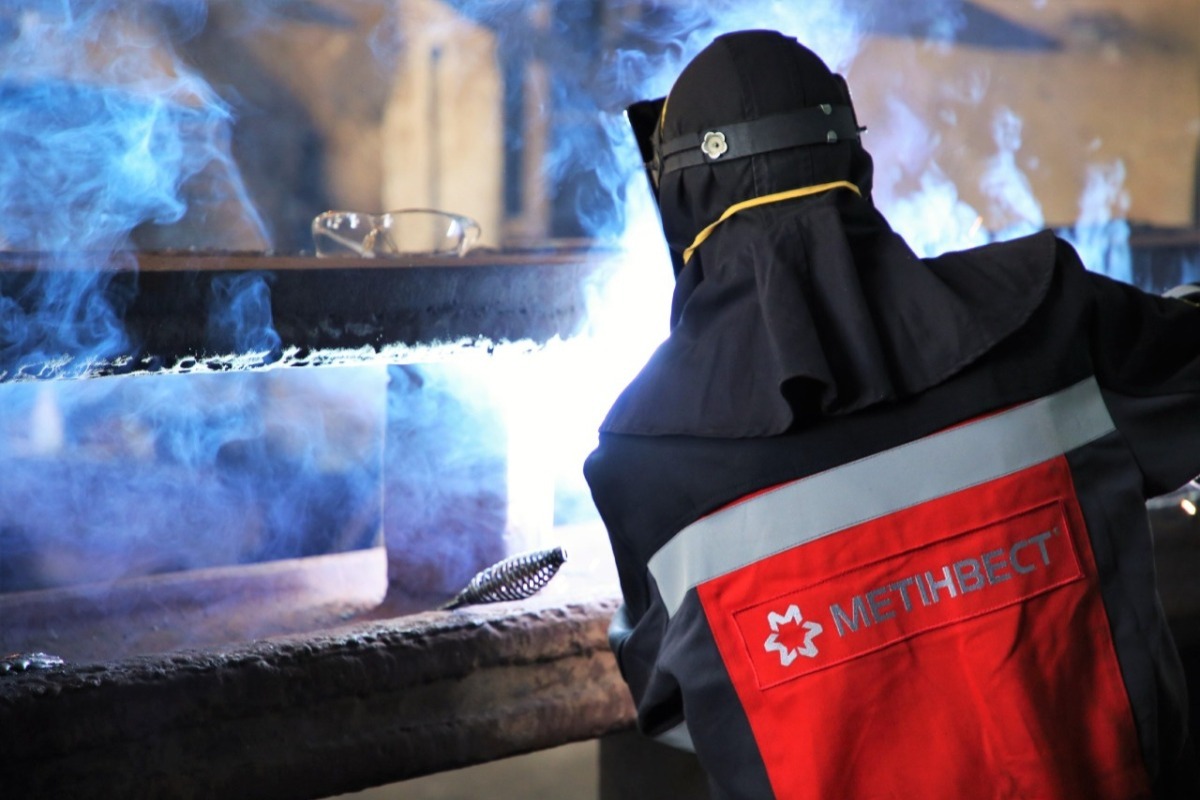
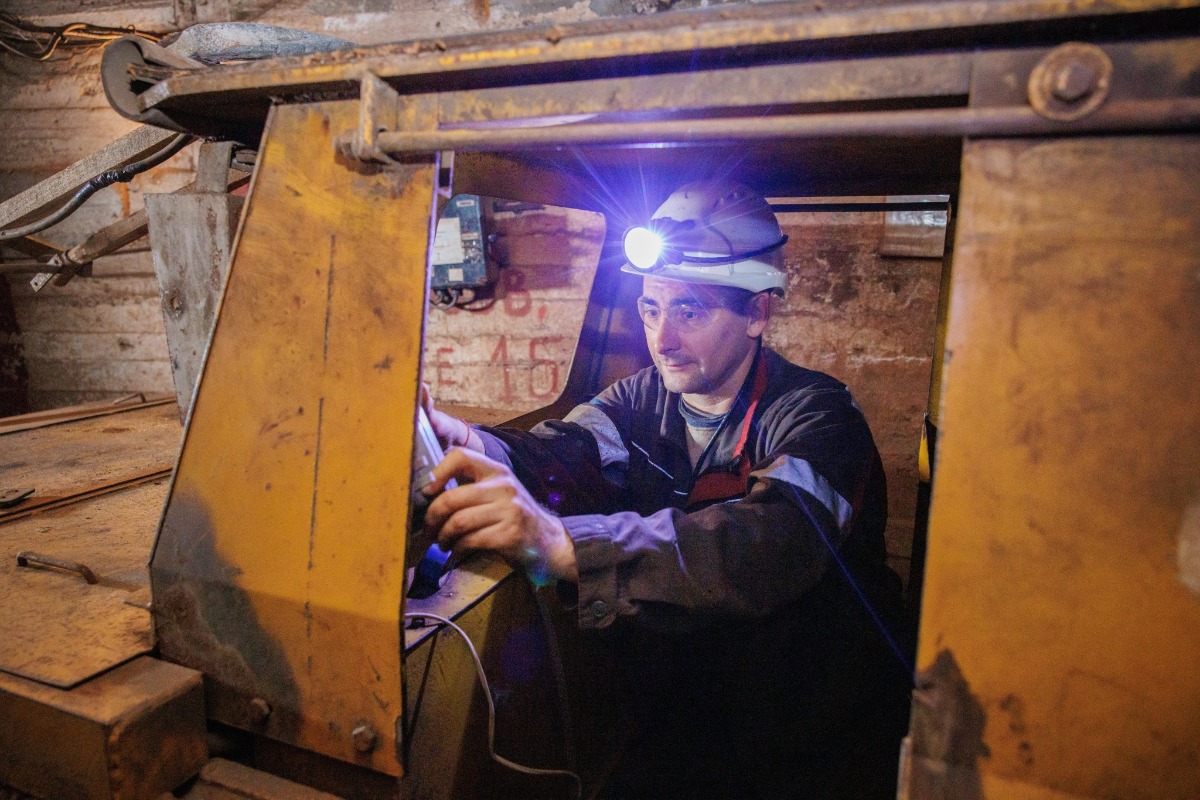
For MTS‑1, expert groups developed training notes for the professions of “bulldozer operator” and “open-pit mine vehicle driver” (mine dump truck driver). Video SOPs of key procedures have also been created, complementing and illustrating the working notes.
The working group at RTD prepared a one‑hour video for the professions of “locomotive driver assistant” and “traction unit driver assistant”.
"I took part in creating the training notes for open-pit mine vehicle drivers. We ended up with a true illustrated primer for beginners,” says Pavlo POPTSOV, Head of Technological Equipment No. 51 of MTS‑1. "I am looking forward to the moment when the opportunity arises and trainees come who will be able to ‘test’ the training notes during their preparation and in mastering basic skills – and we will then see the results in practice. My fellow drivers helped me in creating the photo materials. Overall, this is a necessary initiative in the current situation of staff shortages, when it is important to get a newcomer ‘on their feet’ as quickly as possible. In a way, the training notes assume some of the instructors’ functions by preparing newcomers for practical work."
In total, seven training notes for in-demand professions, printed SOPs for 34 professions, 12 video SOPs and one instructional video have been developed at Integrated Iron Ore.
At present, the filming of the video SOPs is still ongoing. A training note for the profession of “filter operator” is also being prepared.
"In 2026, in particular, we plan to update the list of professions for which training notes will be prepared and to create additional video SOPs. There are hundreds of different operations in production, so preparing training materials is a large‑scale and lengthy process involving many of our experienced experts in the workshops,” said Liudmyla SOLOD, Head of the Recruitment, Training and Development Department at Metinvest’s Iron Ore. "The use of new training formats will facilitate the rapid acquisition by newcomers of all key operations and functions. In this way, we are transforming our training culture, responding to the demands of the times and to overall digitalisation. This will help us respond effectively to the shortage of personnel and will open up new opportunities for development."