
In March 1932, Zaporizhstal reorganised the Inspection and Defect Control Department into the Quality Control Department. Since then, the department has been evolving alongside the enterprise. It plays a key role in ensuring the quality of steel products.
The department specialists work at all stages of the production chain – from inspecting raw materials upon their arrival at the plant to monitoring the parameters of finished goods. The department's main goal is to ensure that products comply with standards and maintain consumer trust in the plant.
One of the most technically advanced subdivisions is the Incoming Inspection Department. Ten specialists work here, performing instrumental inspection of materials and components supplied to the enterprise. More than 102,000 product items fall within their area of responsibility; among them are the following: rolled products, rolling rolls, equipment, bearings, hardware, and other process materials.
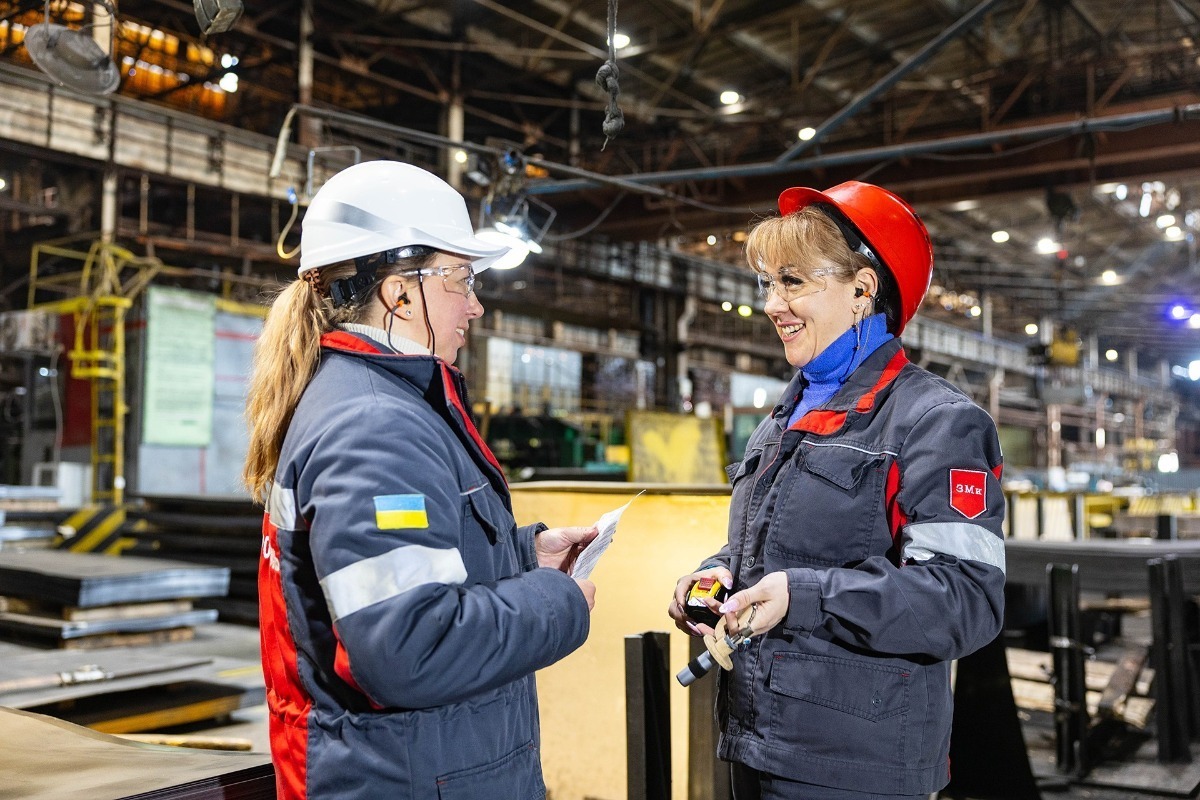
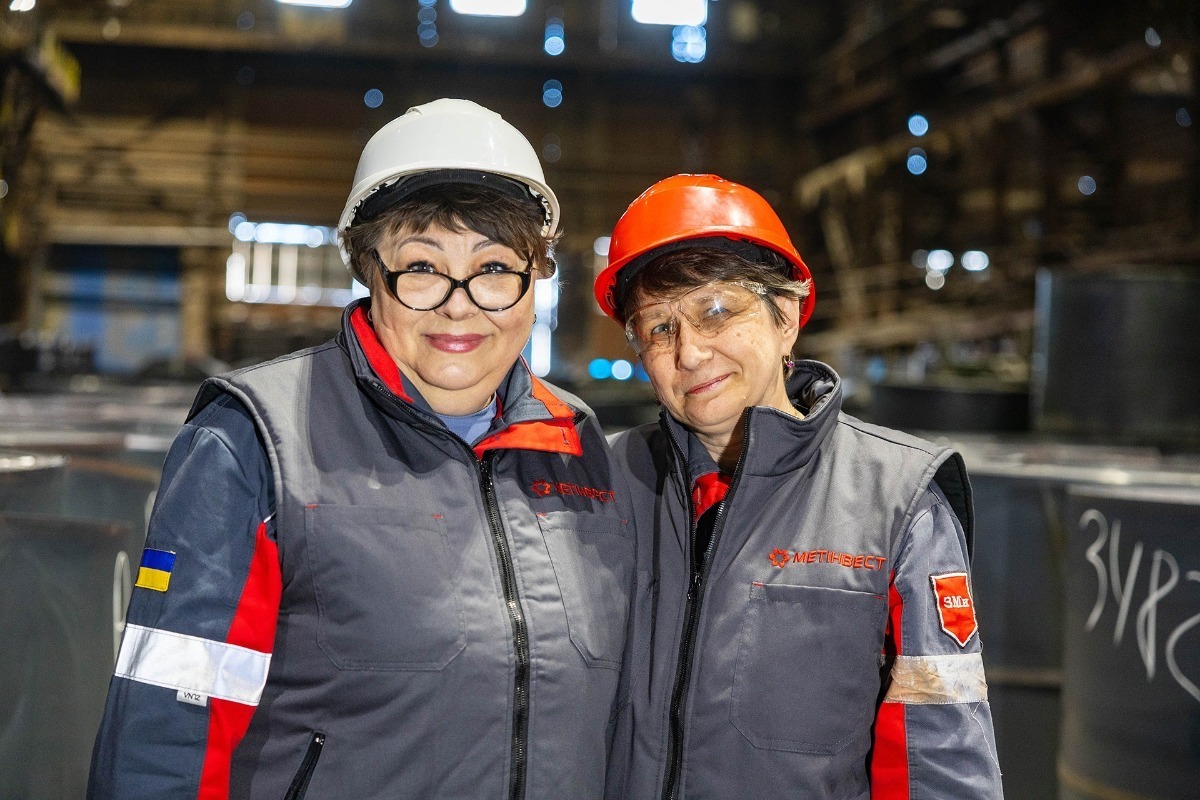
Special attention is paid to materials that impact the mechanical properties and improve the physical-chemical characteristics of steel. In particular, it is about ferroalloys and aluminium that are used as deoxidisers, alloying elements, and refining agents, as well as magnesite powder, required to ensure the stable operation of furnaces.
Monitoring the quality of finished products remains an important area of work. Together with production workers, the specialists analyse the reasons for defects and develop solutions to handle them. This systematic approach helps to identify problem areas in a timely manner and improves the efficiency of production processes, ensuring that steel products meet the required standards.
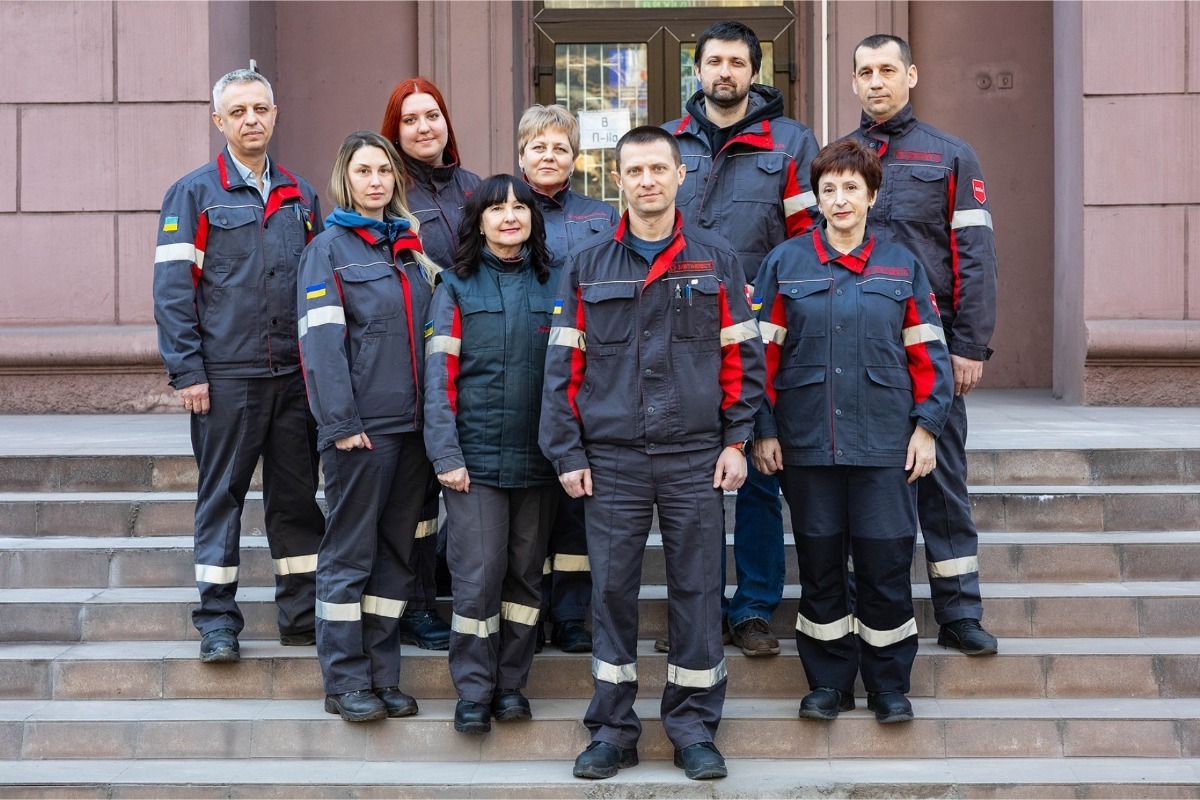
In 2025, the department focused particularly on identifying the root causes of defects, allowing a shift from merely addressing the consequences to taking a proactive approach. Specialists also analysed changes in manufacturing processes and assessed their impact on quality.
An important part of work is the interaction with customers. The department representatives take part in joint inspections, coordinate technical requirements, and help promptly address any disputable issues. Such collaboration strengthens customers' confidence in the plant's products.
"Over the years, our department has become an important part of the production team. However, its greatest strength is its people. Thanks to the professionalism, attentiveness, and responsibility of our specialists, we can identify non-conformities in a timely manner, minimise risks, and ensure that production is supplied with verified materials. I am sincerely grateful to each employee for their work and dedication. I congratulate the team on the 94th anniversary of the Quality Control Department and wish them health, peace, and professional achievements," said Andrii KRAVETS, Head of the Quality Control Department.