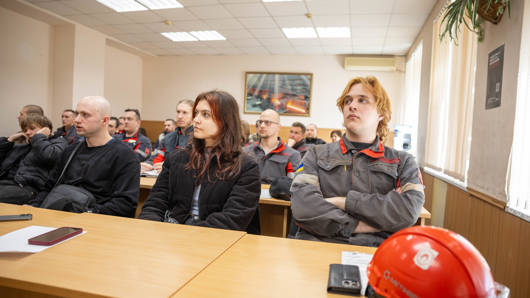

In modern industry, workplace safety is first and foremost about care for people and an important resource for the business. People are at the heart of every process, and safe working conditions are created for them. The life, health, and psychological comfort of employees are the highest value, especially in wartime, when additional stress and uncertainty call for extra attention.
In this context, education becomes one of the key tools for building a safety culture: knowledge and practical skills help systematically prevent risks and foster a conscious approach to safety.
Metinvest Polytechnic Technical University puts these principles into practice through applied programmes and trainings that help companies get ahead of critical risks. Education shapes a safety culture where every employee feels cared for, and teams develop the skills for aligned work even in demanding industrial environments.
Education programmes tailored to business needs
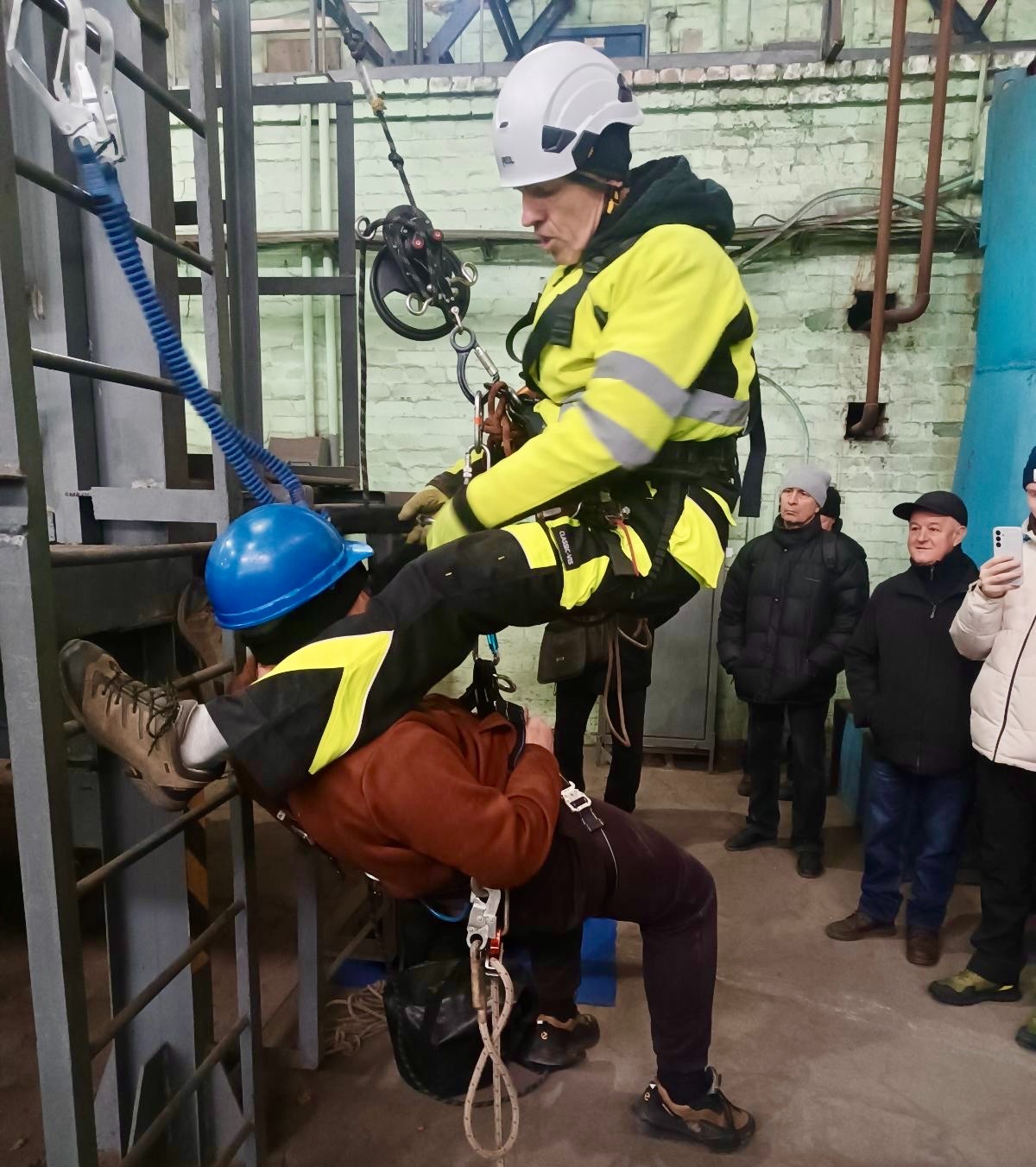
Between 2022 and 2025, Metinvest Polytechnic developed and launched seven trainings on the Health and Safety Top Risks. The programmes reflect real-world scenarios that enterprises face daily: from safe equipment disconnection in line with the LOTO procedures to working at height, electrical safety, lifting equipment operation, and working with moving machinery. Special attention is given to specific risks, including those in industrial rail transport and falling object hazards.
In 2025, a new training "Organisation and Safe Execution of Work Involving Gas Mixtures (Gas Safety)" was introduced. The first 40 employees of the enterprises have already completed the training, and in 2026 the programme will be scaled up: nearly two hundred more specialists will master new approaches, deepening their expertise and preparing to work safely day-to-day.
Metinvest Polytechnic implements a risk-based approach through a system of applied trainings that complement traditional education and are designed for shop-floor realities. The focus is on specific critical scenarios, where risk awareness becomes a practical tool for safe work. The programmes were developed step by step in response to enterprises' demand for a systematic way to get ahead of risk. The experience of implementing these programs demonstrates a tangible impact on teamwork and safety culture across the enterprises.
Pavlo UZBEK, head of the HSE Department at Metinvest Group:
– For us, safety culture is not a set of rules employees must follow – it is, above all, the safe actions and behaviours of every employee. And training is the tool that makes it possible to change that behaviour systematically. We deliberately expanded our occupational safety training with practical trainings on the Top Risks, because these are the areas where the most serious incidents occur.
As the clients commissioning these trainings, we set a clear objective: training must be as close to real-world production conditions as possible, and give employees not just knowledge, but clear protocols they can use in dangerous situations. Today we see the practical results – the quality of work preparation is changing, critical safety procedures are followed with greater discipline, and managers are beginning to see risks differently: not as a formality, but as a factor that can and must be managed.
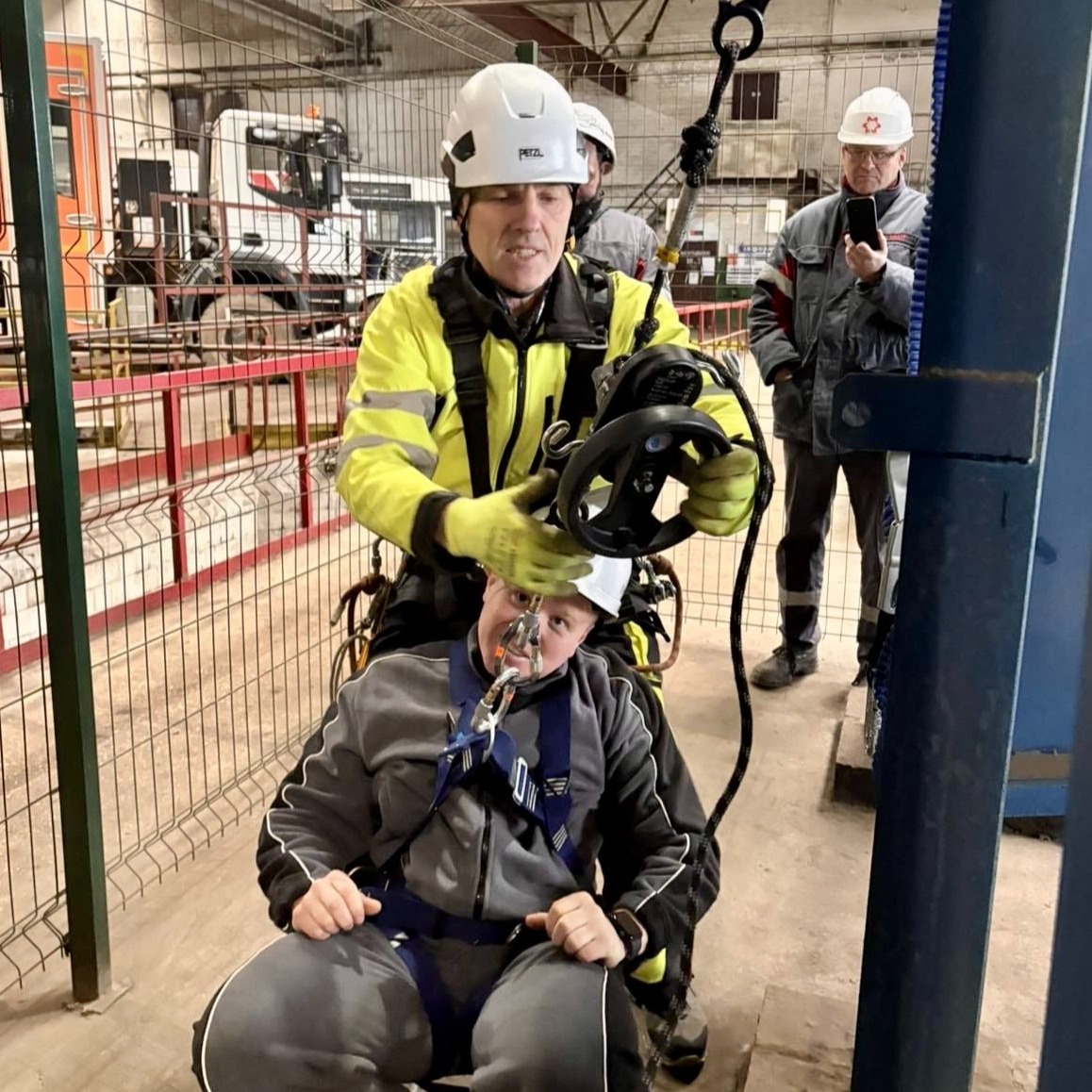
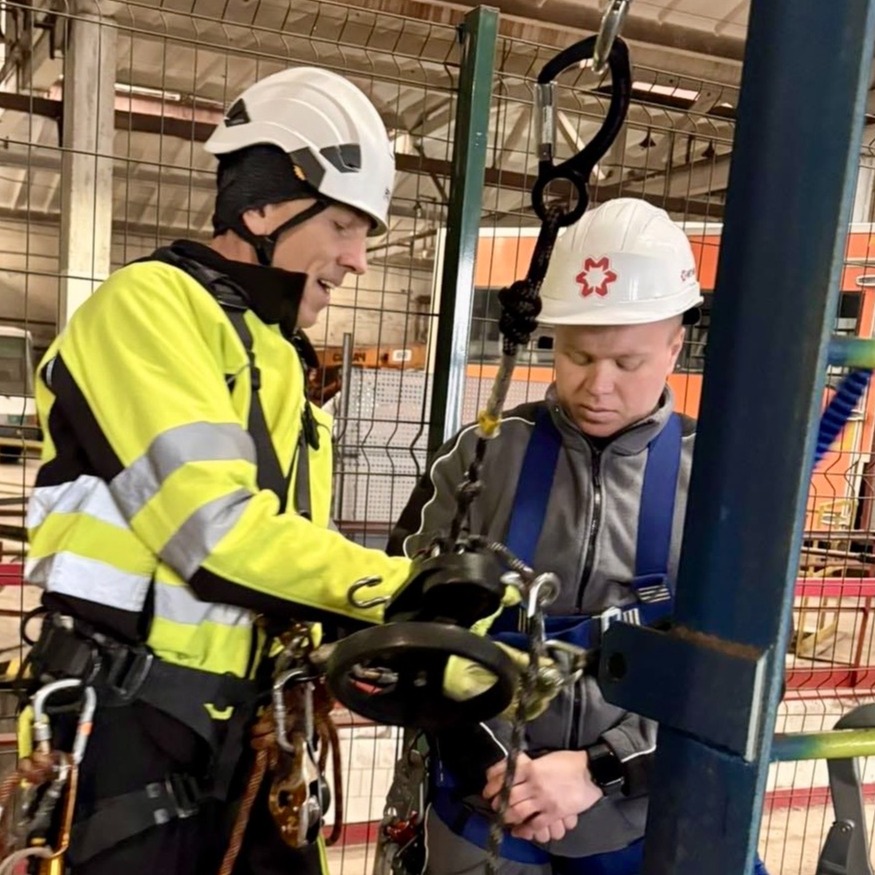
I want to highlight separately the role of such programmes in wartime conditions. Additional risks, stress, and instability of the environment – all increase the likelihood of errors. Therefore, systematic training today is not simply about development – it is a necessary condition for preserving people's lives and health. We view these trainings as part of our unified risk management system. And our objective is for the knowledge gained in the classroom to become daily practice in the workplace. That is how a mature safety culture is built – when every employee understands risks, knows how to handle them, and takes personal responsibility for safe outcomes of work.
Proof of systematic work
Over four years of systematic implementation of trainings on the Health and Safety Top Risks, more than 4,300 specialists have strengthened their competencies, mastering practical approaches under the guidance of practitioner-instructors of Metinvest Polytechnic. Employees of the Group's key enterprises - Zaporizhstal, Zaporizhia Coke, Metinvest Machinery, Zaporizhia Refractories, Kryvyi Rih mining and processing plants, Southern Coke, and Unisteel - took part in the programmes.
"Safety and the production process are a single system that begins with how the workspace is organised and how production risks are managed. At the same time, occupational safety education must be integrated into everyday production processes and the company's corporate ethics. That's exactly the approach Metinvest Polytechnic implements in partnership with the business to build a sustainable safety culture, where responsibility for people's lives and health is part of daily work," said Gregory MASON, Chairperson of the Health, Safety and Environmental Committee of Metinvest's Supervisory Board.
This confirms not only the systematic nature of the university's approach, but also the gradual integration of occupational safety knowledge into internal team development and corporate culture processes at the enterprises.
Education that shapes a workplace safety culture
Metinvest Polytechnic exemplifies a modern format of a university that becomes a trusted business partner. Programmes are continuously updated based on real-world shopfloor experience and tailored to the specific needs of enterprises, enabling the rapid knowledge transfer into practice. This approach allows companies to integrate safety as part of their corporate ethics, while the university gains feedback to continuously improve its trainings.
Oleksandr POVAZHNYI, rector of Metinvest Polytechnic, emphasises:
– People are at the centre of all processes, and their lives and health are the highest value. Systematic work on occupational safety is part of our bachelor's and master's programmes, doctoral training, and specialised Top Risk trainings for enterprises. We incorporate the best international practices and adapt them to Ukrainian realities, and our university is the first in Ukraine to join Vision Zero. Education builds a safety culture where knowledge becomes part of teams' daily work, and care for people becomes the foundation of corporate ethics.
All occupational safety programmes are aligned with business vision and realities. To ensure effective collaboration with enterprises, the university has established seven academic councils, including one dedicated to occupational safety. This allows us to integrate education with practice, foster an environment where every employee feels protected and valued, and teams are aware and cohesive even in challenging conditions.
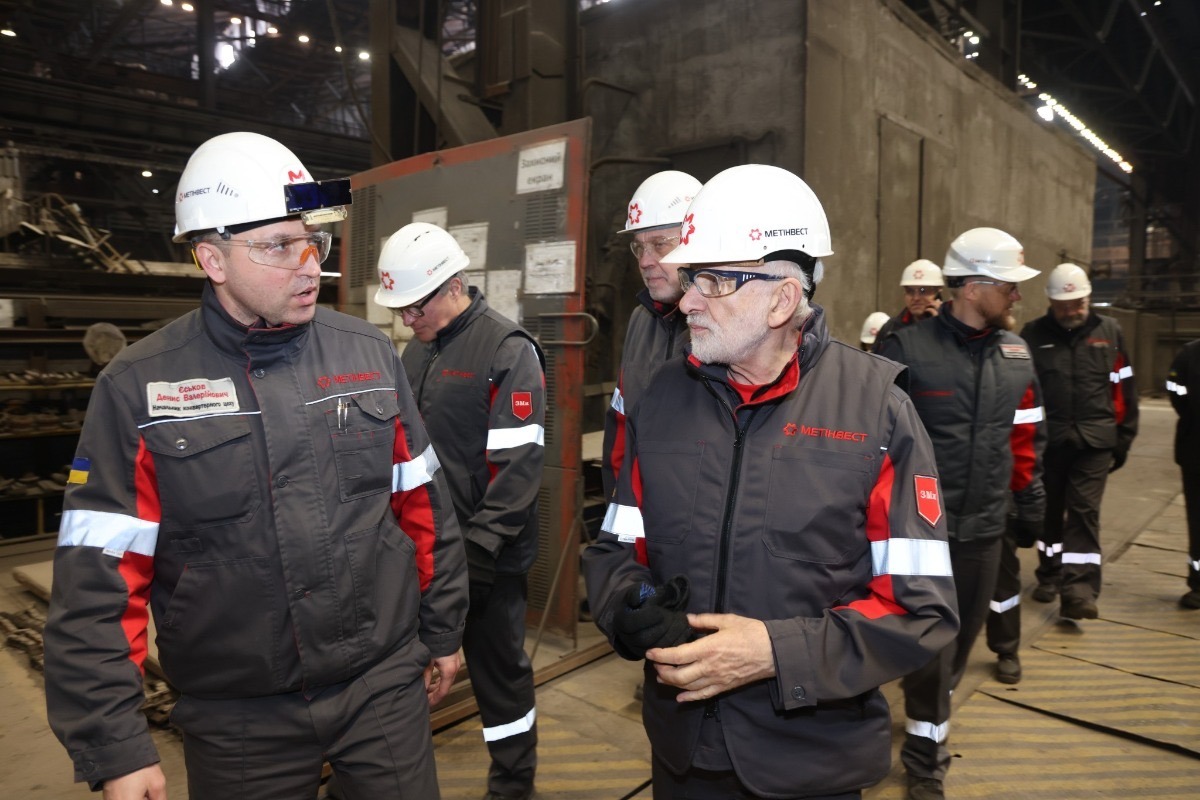
People-centric approach in education programmes
Implementing risk-based approaches changes how teams behave and transforms risk management. Metinvest Polytechnic's trainings do not remain at the level of theory – knowledge quickly translates into daily practice, improving safety for people. Participants note that safety culture is gradually becoming an integral part of production processes, from work planning to execution.
Employees at the enterprises emphasise that the changes go beyond knowledge – they affect the way people think when it comes to handling risks: safety becomes a daily practice, not a formal requirement.
Ruslan LOBKO, head of the gas department, noted a more systematic approach to hazard assessment:
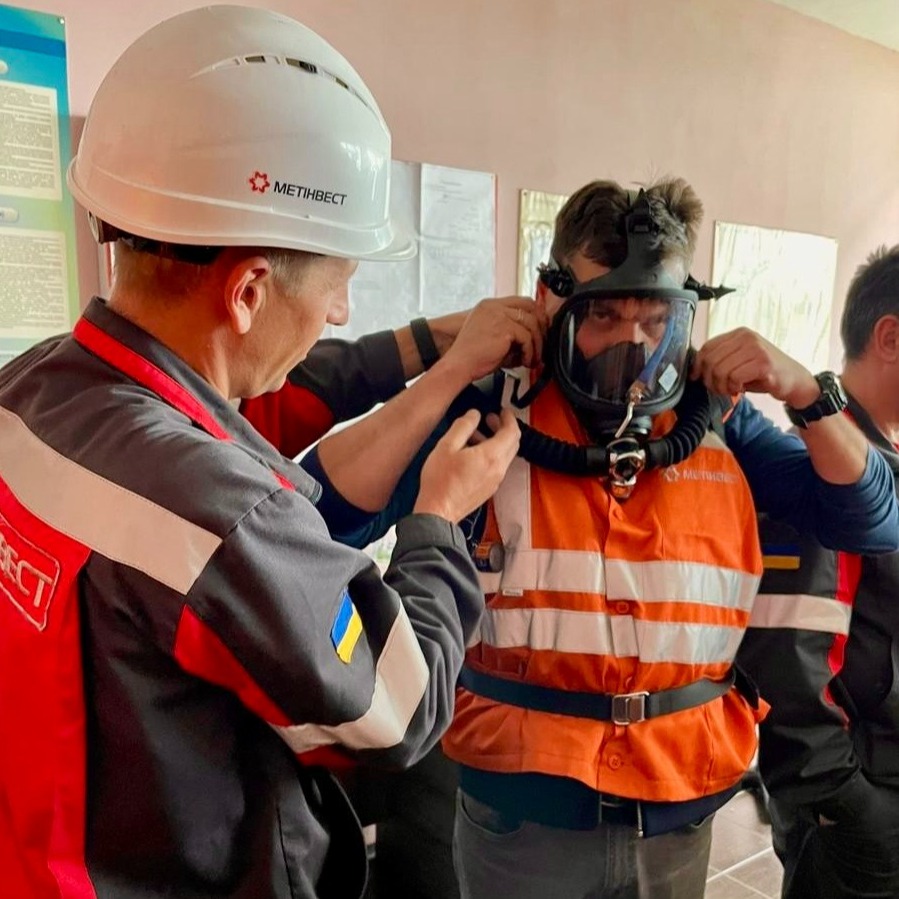
– After the trainings, my approach to safety became more conscious and systematic: gas-related risks are identified more effectively, the quality of work preparation improves, and compliance with requirements is monitored more closely.
Other specialists confirm the same change. Mykyta KUPRIN, a gas rescue specialist of Zaporizhstal, said that safety has become part of daily discipline: deeper risk analysis, continuous monitoring of hazardous factors, and strict adherence to procedures allow the team to work with confidence and minimise threats.
Andrii HRYTSIUK, head of the water supply shop department, spoke about the practical application of knowledge:
– I apply the acquired knowledge to improve regulatory documentation and expand risk mitigation measures before the execution of works.
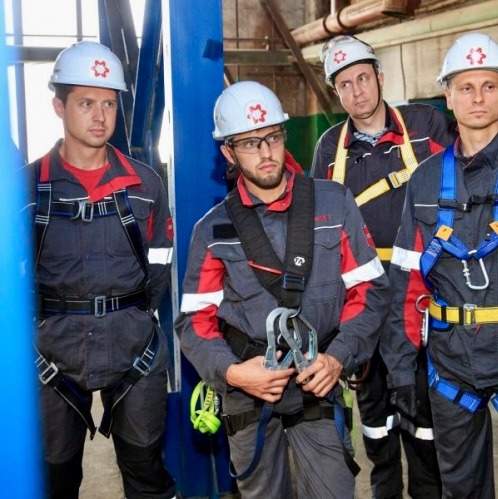
For work-at-height activities, the key outcome has been a systematic and disciplined approach. Anatolii LEVIT, a senior foreman, emphasised that before every task, greater attention is now paid to checking conditions, equipment, and protective gear, which improves team safety and reduces injury risk.
Serhii KORCHAHIN, a foreman in the basic oxygen furnace shop, underscored the hands-on nature of the trainings:
– The trainings provide a clear understanding of how to act safely in real-world conditions and build the habit of never overlooking critical measures.
Overall, these changes demonstrate that safety is gradually becoming not a separate requirement, but part of teams' professional culture.
Metinvest Polytechnic Technical University implements a modern educational model in which specialist training is combined with addressing real-world tasks faced by enterprises. This approach allows integrating safety into corporate culture, strengthening team competencies, and creating an environment where care for people's lives and health is a foundational principle of work.