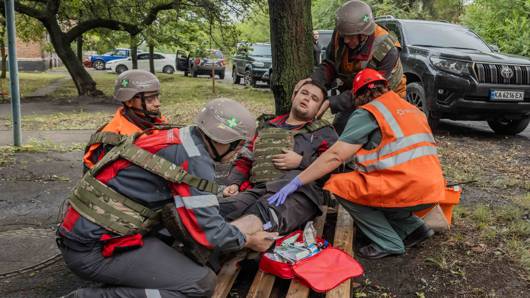
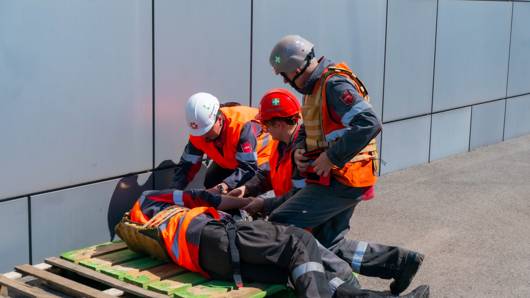
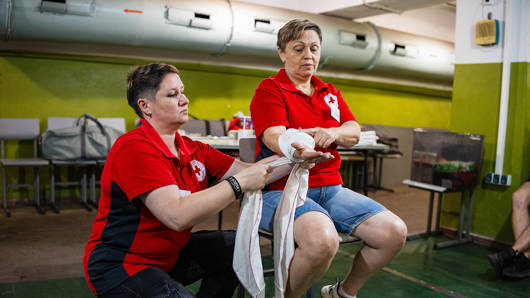
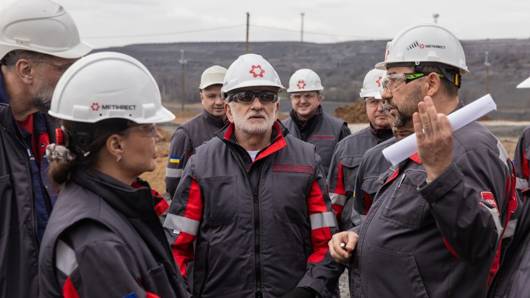
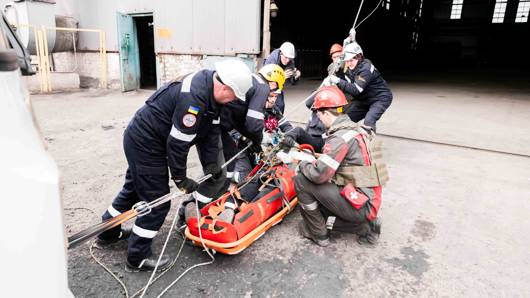
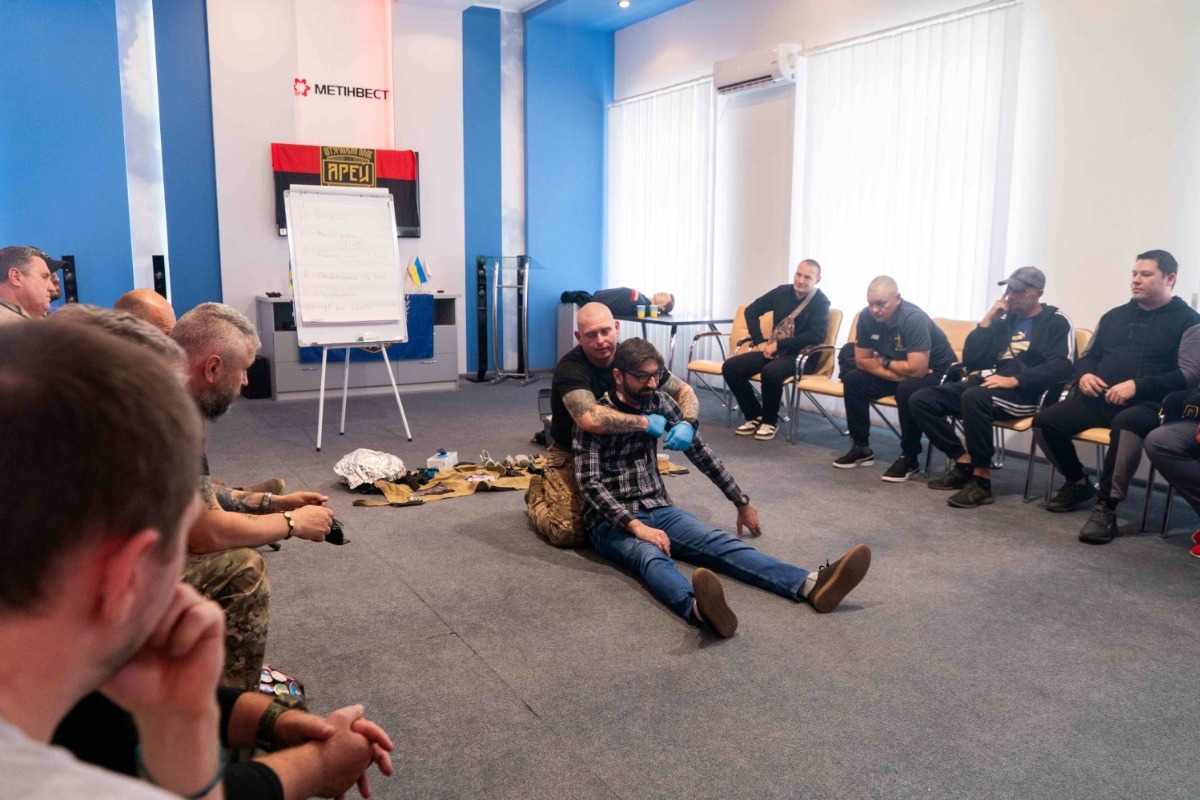
At the Central Iron Ore site, a training session was held for veterans and their family members on providing first aid in extreme situations to save the lives of injured civilians.
The request for such training came from the veteran communities of Metinvest Integrated Iron Ore. The event was organised with the support of specialists from the company’s HR and Social Issues Directorate, veteran support coordinators, and NGO "Vartovi", which works closely with veterans of the Russian-Ukrainian war to address pressing issues.
The training on the core tactical medicine algorithm was delivered by combat medics Dmytro Sapiha, call sign "Liutyi" ("Furious"), and Iryna Zhyhalkina, call sign "Yanhol" (“Angel”). According to the medic representing NGO "Vartovi", every one of us faces potential danger every day, especially in the frontline city of Kryvyi Rih. Therefore, it is essential to learn first aid skills in order to save ourselves, our loved ones, or our neighbours in the event of an enemy strike.
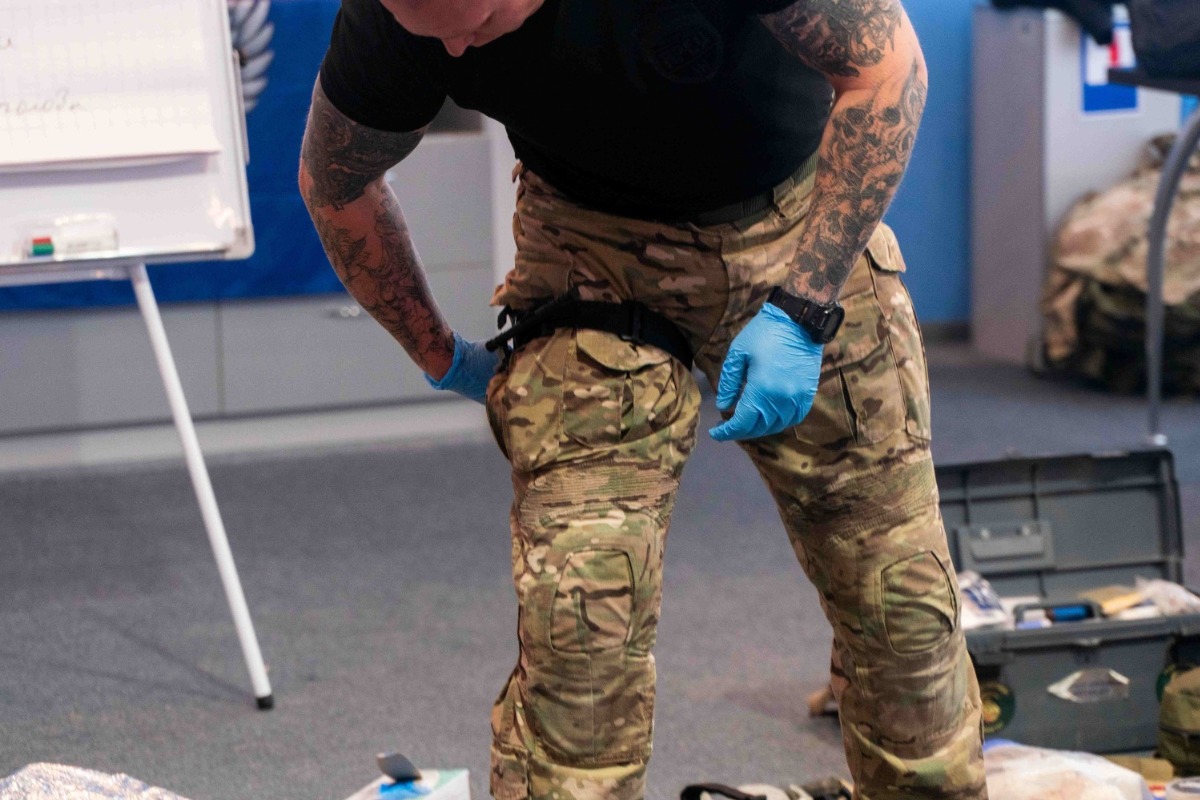
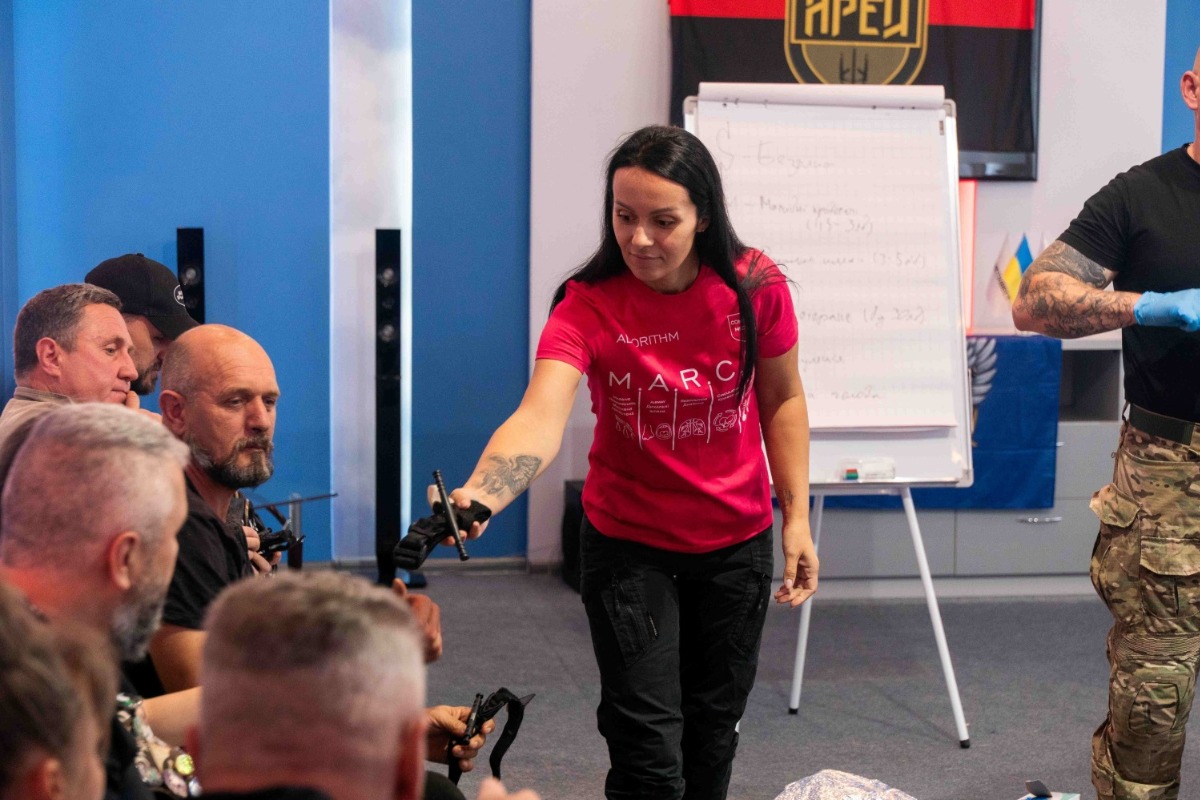
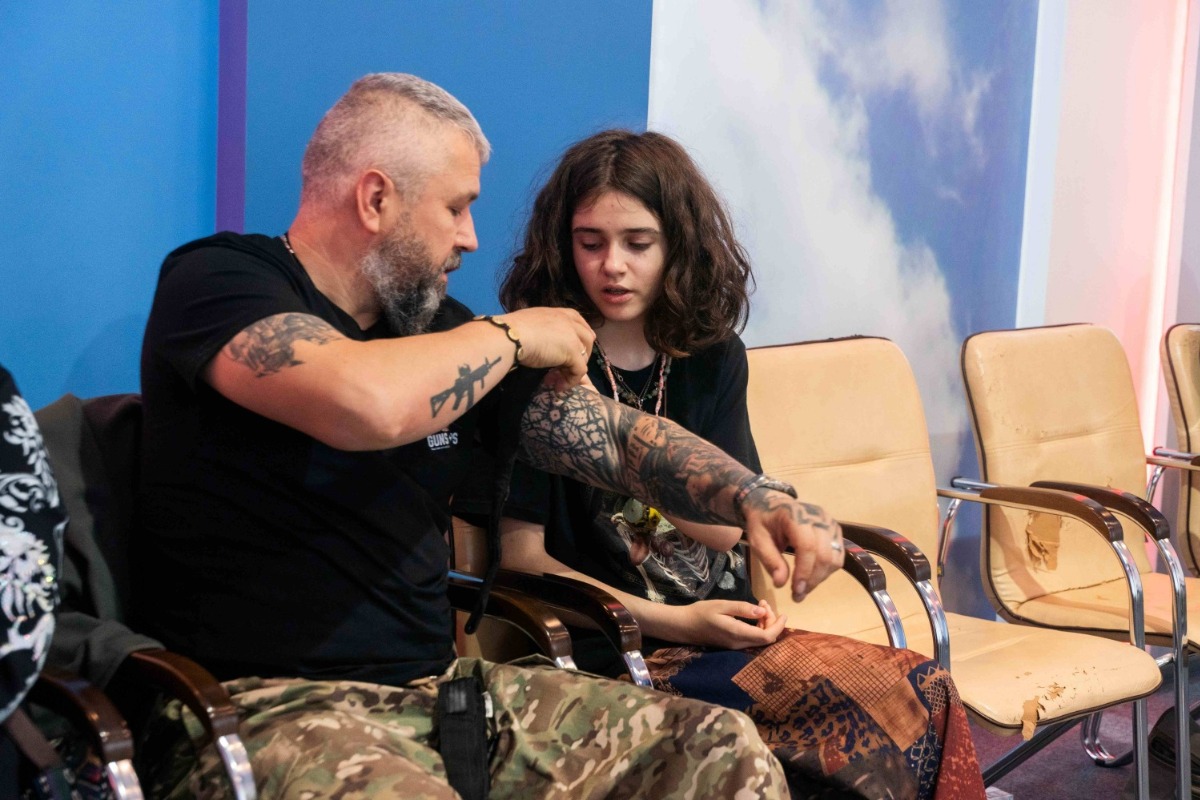
According to the training programme, participants worked through the SMARCH protocol, an acronym that outlines the sequence of actions for providing first aid and medical assistance in emergency situations: S – Security, M – Massive Haemorrhage, A – Airway, R – Respiration, C – Circulation, H – Hypothermia / Head Injury.
"First aid in combat conditions differs somewhat from the assistance provided in civilian settings. The main difference lies in the circumstances. In combat, the primary goal is to save a life, whereas in civilian situations the priority is the casualty’s overall health. The first step is ensuring the safety of the person providing assistance. Only after making sure they are not in danger should they begin active intervention. The priority is to stop life-threatening external bleeding from the limbs and torso. Next, it is necessary to ensure the casualty’s airway is clear, assess their breathing, and provide appropriate support to improve respiratory function. The next stage involves assessing and restoring circulation and cardiovascular function. This is followed by measures to prevent hypothermia and provide assistance for head injuries. Following the correct sequence when saving a casualty is extremely important, as it helps prevent the five most common causes of death," explained Dmytro "Liutyi" SAPIHA, a combat medic of the 253rd Separate Assault Regiment "Arei".
Throughout the intensive tactical medicine course, the veterans and their family members demonstrated a high level of engagement. Former servicemen with battlefield first aid experience actively asked the instructors questions and practised techniques for controlling simulated bleeding and identifying other injuries. Far from being novices, the veterans enthusiastically shared experiences, recalling situations from the front line when they had to save either their comrades or themselves.
"During my four years of service, we received extensive first aid training. In combat conditions, these skills are always necessary. I have personally applied occlusive dressings, tourniquets, and bandages on numerous occasions. However, refreshing this knowledge is never unnecessary. Whether you like it or not, once you return from the front, these skills gradually fade. I have now returned to work at the plant. Before the full-scale invasion, I worked as an excavator operator. After returning, I retrained as a blaster and transferred to the explosives section," said training participant Anton BABENKO.
Another veteran, Oleksandr KARTUZOV, a firefighter and rescuer with the departmental fire brigade of Central Iron Ore, also seized the opportunity to refresh his knowledge and test his skills.
"Although I have experience with the State Emergency Service, combat experience, and my current role, I was happy to attend the training. Any skill requires regular practice, which is why I was keen to assess my abilities. Your mind must instantly signal the correct actions, while your hands automatically and quickly perform everything necessary to save the casualty. Today, these skills are extremely important in civilian life as well. For example, my home was damaged twice as a result of missile attacks on a hotel located across the road from where I live. Since then, all of my neighbours take air-raid alerts seriously and go to shelters, fully aware of the enemy’s insidious tactics. On those occasions, civilians were injured."
A separate part of the training focused on practical advice for situations where no first-aid equipment is available. Participants learned how to apply direct pressure to wounds, perform wound packing, elevate an injured limb above heart level to reduce blood flow, and strongly flex a limb at a joint when necessary.
"It was extremely useful. Together, we analysed specific examples of missile and drone strikes on the city that we had personally witnessed and discussed what could and should have been done in each situation. We are very grateful to Dmytro and Iryna for such an informative, engaging, and practice-oriented session. This was not the first first-aid course I have attended. However, today, when the war is being fought not only on the battlefield but also in peaceful cities, this knowledge is perceived much more acutely, especially when it is taught by combat medics with vast experience in saving lives," shared Nataliia ROMANOVA, coordinator of the veteran community at Inhulets Iron Ore.