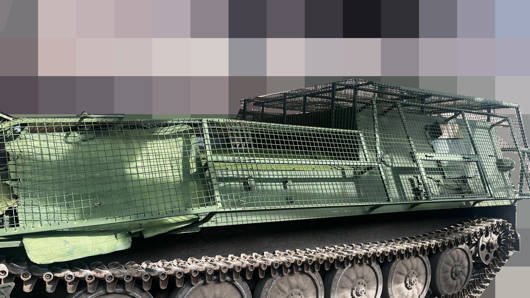

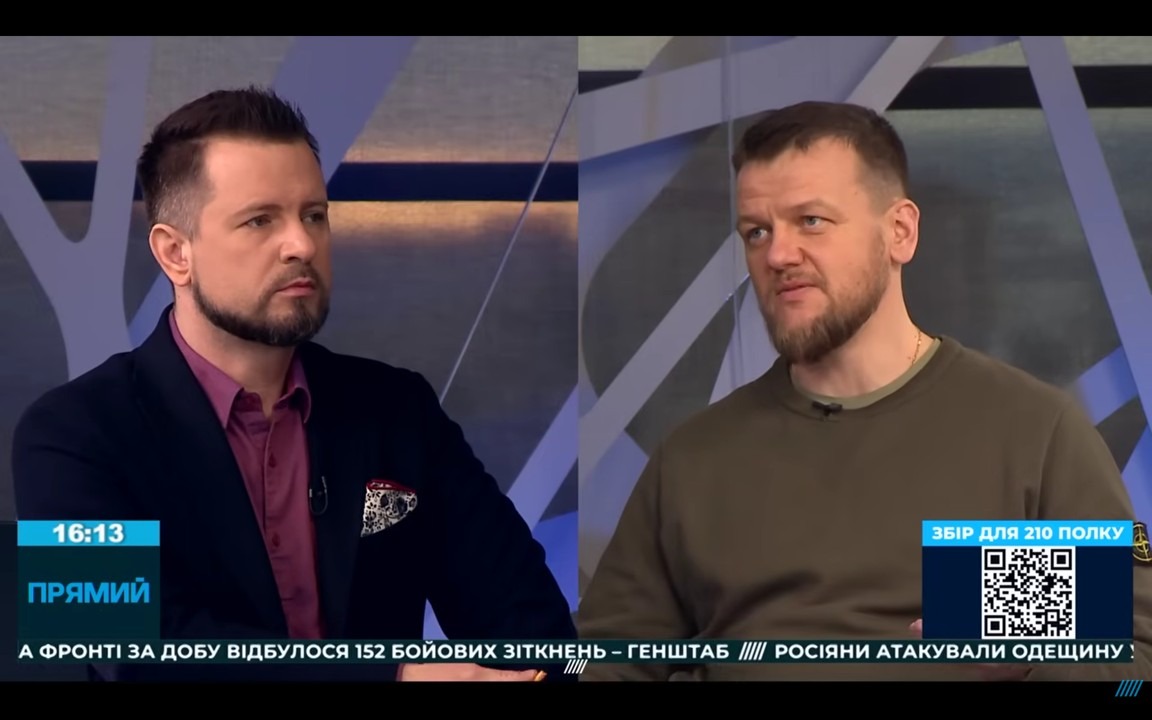
In an interview with Pryamyi Channel, Metinvest Group Chief Operating Officer Oleksandr Myronenko spoke about the evolution of wartime production and unique front-line solutions, the development of Rinat Akhmetov’s Steel Front initiative, continued support for Ukraine’s defence forces, and efforts to address staff shortages.
– How has the Steel Front initiative evolved over four years of war?
– Like many other businesses, we began supporting the defence forces in 2022. At that time, everything was fairly simple: a request would come in by phone, and we would try to meet the needs of our troops as quickly as possible as they were deployed to different sectors of the front.
Systematic support began with producing steel for body armour and supplying protective gear to the military, because in 2022 there was a shortage of even the most basic personal protective equipment. We also worked closely with local authorities: from blocking roads with heavy machinery available at our production sites to building basic fortifications where troops could hold positions and defend themselves.
Over the years, the initiative has become much more structured. We now work with the same kind of planning processes we use in our production operations. We are developing two main areas: protection for military equipment and the construction of shelters based on our bunker modules. A separate line of work, which is less intensive today but was highly relevant in 2024-2025, was the construction of fortifications in the Donetsk region.
– What is the scale of the Steel Front initiative in terms of product range, numbers and geography?
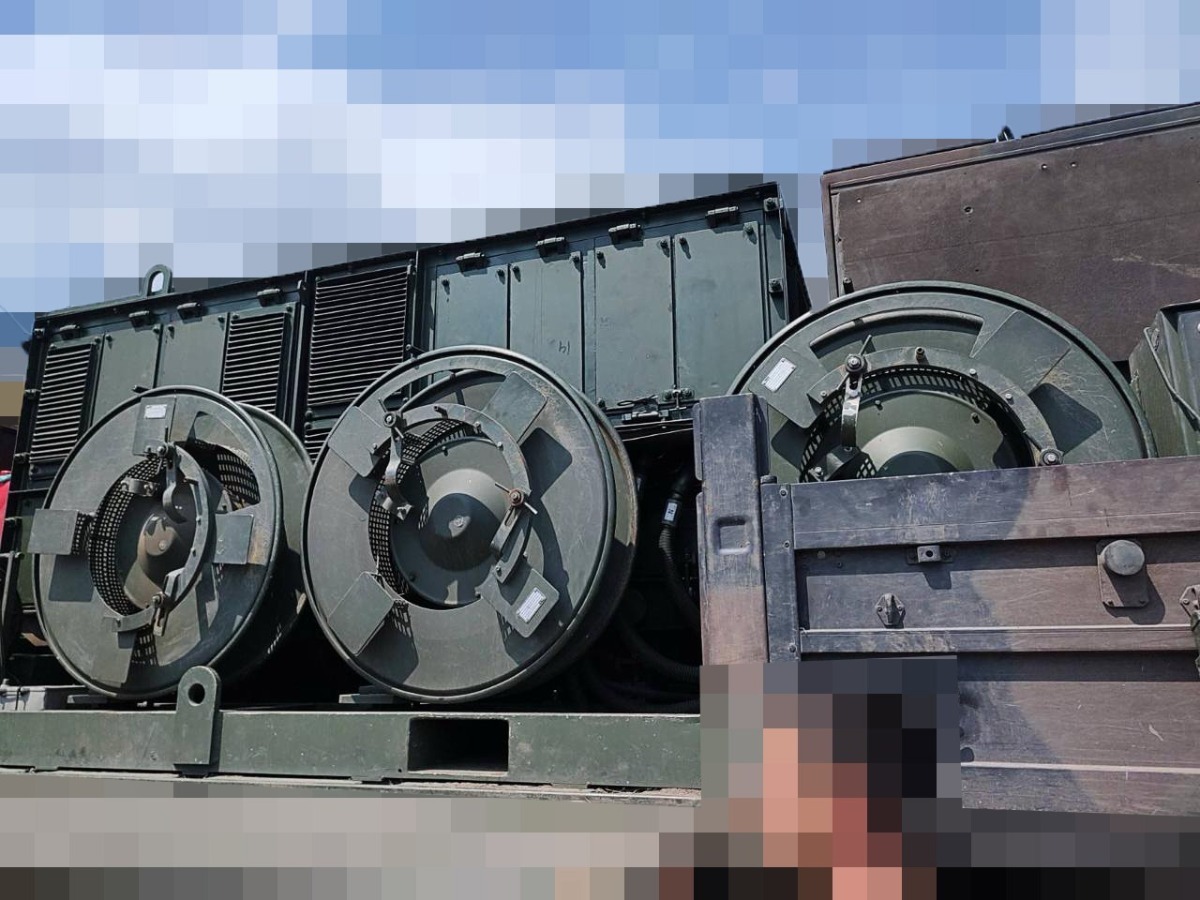
– The geography is broad: from the Kharkiv region to the Kherson region. We produce around 50 types of protective solution, in various configurations, for both civilian and military use. We also manufacture dozens of protective screens, which are either delivered directly to Ukraine’s defence forces or sent to dedicated sites outside our main production facilities. Military equipment is brought there, fitted with protective screens, and then handed over to the military.
Our specialists work at these sites in full compliance with all safety requirements. We strive to separate this work from our core operations – the production of iron ore raw materials and steel – in order to protect all other employees.
– How do you work with brigades, and how quickly do you respond to their requests?
– We work in several formats. The first is through local authorities: they know which units are moving into a particular area and help us establish contact. The second is direct cooperation with the brigades themselves. Over these four years, we have built relationships with the commanders and administrative staff of the brigades operating on the front line.
Requests usually come in as official letters, after which we clarify the details by phone. Within 24 hours, we determine the format of cooperation. Then, depending on the scale and type of the order, we provide support within one to three weeks.
– What do you manufacture for the defence forces, and which product is in greatest demand?
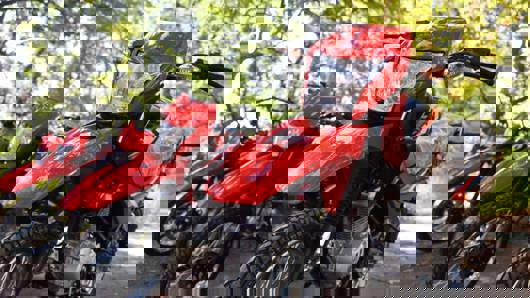
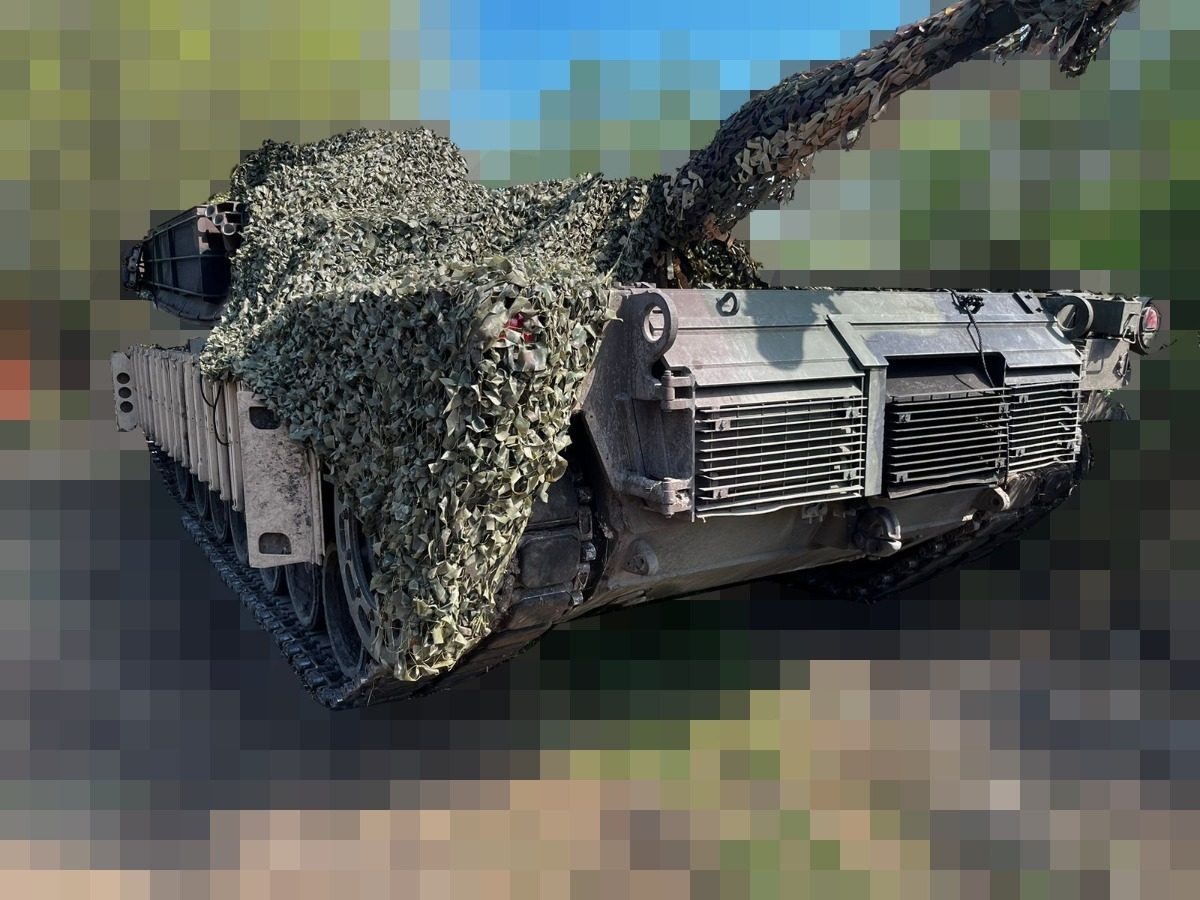
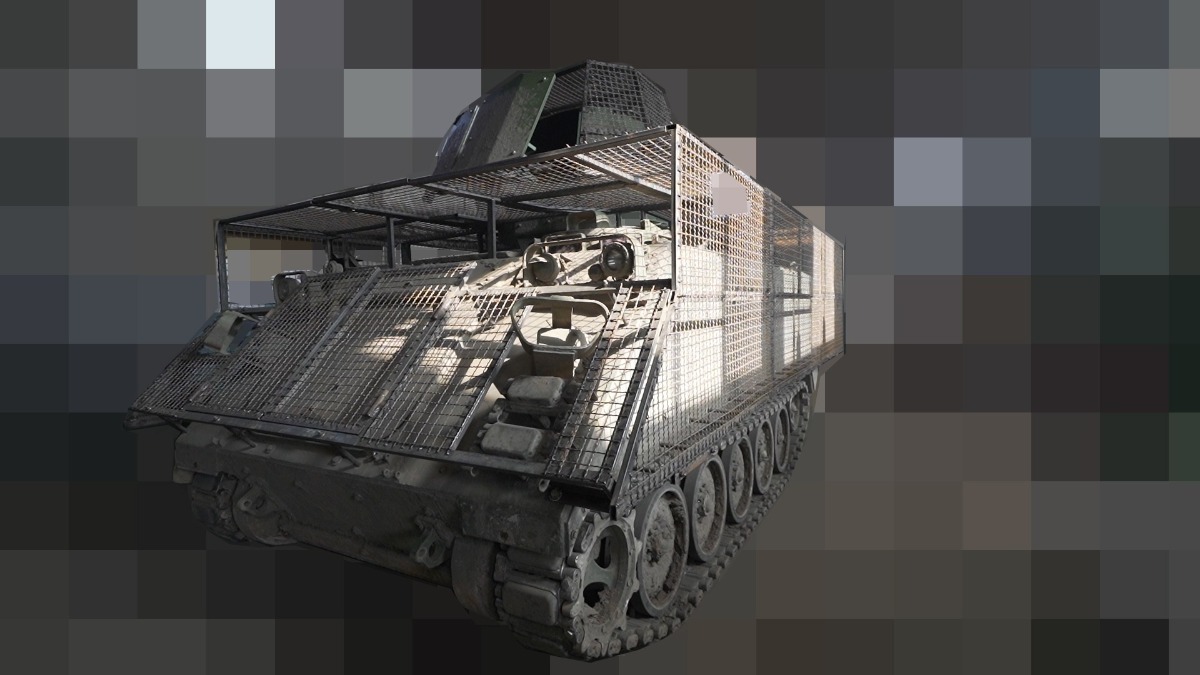
– There are two main types of product. The first is protective screens for virtually every kind of equipment: from Abrams tanks to modern and Soviet-era wheeled armoured vehicles. There have even been some unusual cases where we installed protective screens on Mitsubishi L200s. How those vehicles handled afterwards is another story. But we took on that work because we understood that our troops genuinely needed it.
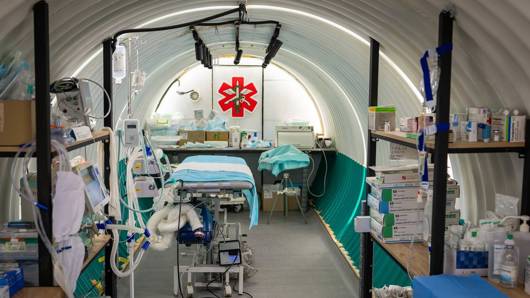
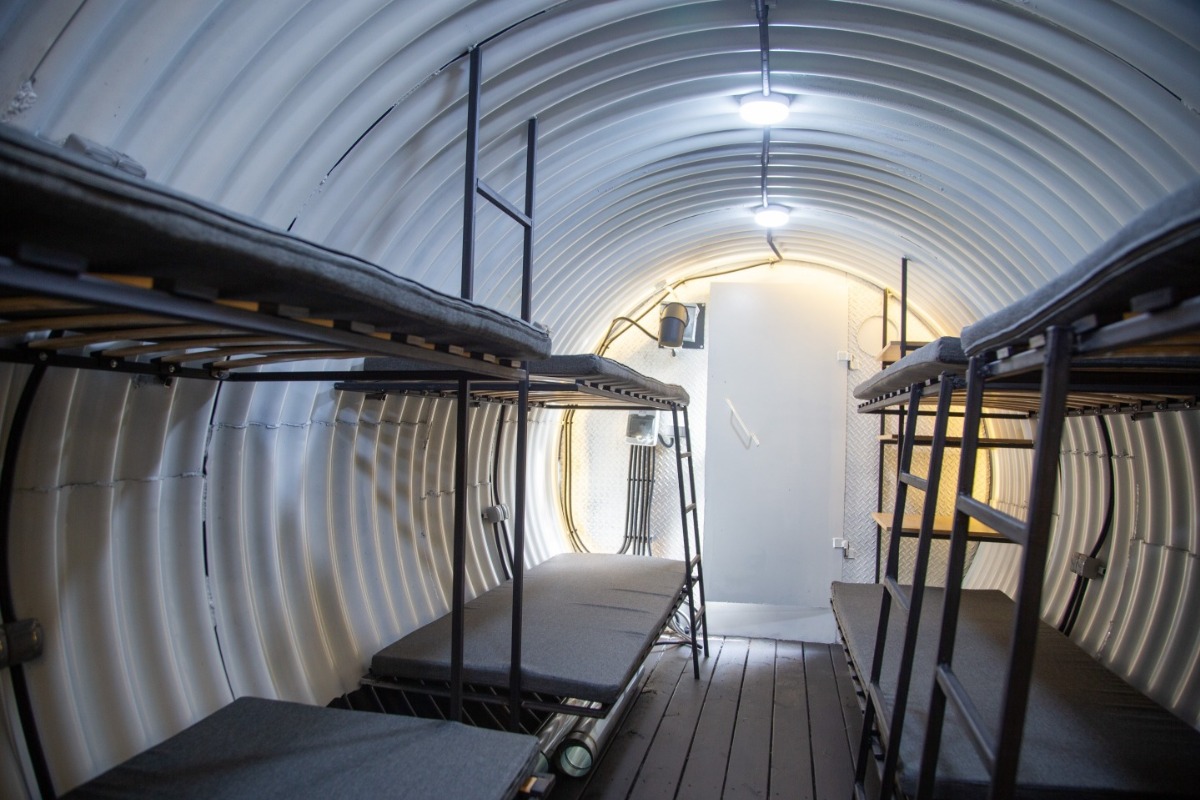
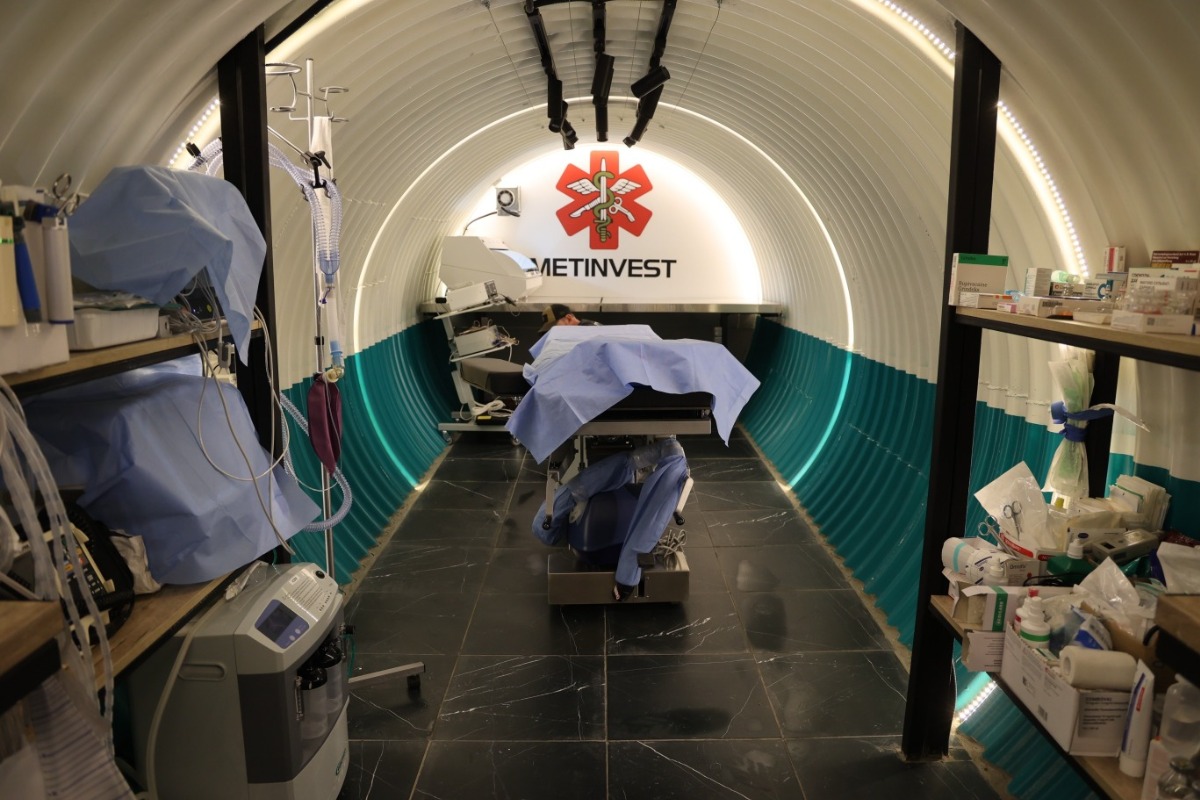
The second type is steel shelters designed to be installed underground. We have developed many different versions: standard shelters for field fortifications, units for command posts, and facilities adapted for medical use. Two rather substantial underground field hospitals are already operating on two front-line sectors.
Another area we are developing is civilian shelters based on the Citadel model. These are already being installed in cities to protect civilians. In parallel, we manufacture above-ground protective structures based on the same concept for industrial facilities. We use them at our own production sites; they have been installed at seaports to protect employees; we also supply such shelters to the energy sector. These are the core areas we are focused on at present.
– How have the military’s needs for steel-based solutions changed over the past four years? Have you seen that evolution since 2022, and what exactly has changed?
– We regularly receive feedback from the military on what needs to be improved in our products. For example, in equipment protection: where the structure needs to be reinforced so it can withstand more hits, or how additional elements can deflect a shaped-charge jet or alter a drone’s flight path, reducing the damage.
After every hit, or every time one of our protective systems is breached, we analyse with the military what happened and decide how the design should be changed to protect equipment even more effectively. So, this is a process of continuous improvement.
As for shelters, they have undergone a major transformation. At first, they were essentially just “barrels” buried in the ground, where the troops tried to create decent living conditions themselves. Now, we provide a complete solution. It is effectively an underground unit equipped with its own lighting, generator, stove and all basic amenities. Once the generator is plugged in, the shelter is ready for use.
– So, you first create a basic model, and then, after it has been used and feedback has been received, you refine and improve it?
– Absolutely. Without that feedback and the practical experience of the troops using this equipment on the front line, it would be very difficult for us to adapt our products properly.
We can build virtually any structure, but for it to be effective, it first has to be tested on a training ground and then in combat conditions. Based on that battlefield experience – gained both by our defence forces and by our engineers – these designs are modified and become even more effective.
– Have there been prototypes that proved unsuccessful at the testing stage? And do you screen out defective products before final deployment?
– Every product we manufacture undergoes functional testing. For example, a protective screen is installed on a vehicle, which is then driven around a training ground. We assess how the screen behaves in motion, during live firing, and how easily the crew can evacuate when the protective structure is mounted above it.
Naturally, shortcomings are identified during testing. We then analyse the full picture and refine the protection so that it is as effective as possible and does not hinder the troops in a dangerous situation: because on the front line, every second matters.
– For the past two years, this war has often been described as a drone war. In that context, is the Steel Front initiative involved in this area?
– We are one of the largest private suppliers of drones to the defence forces. We buy different types – both ground-based and aerial systems – on the market and transfer them to military brigades operating in different sectors. This is part of Rinat Akhmetov’s Steel Front initiative, aimed at supporting the military through funding and the supply of drones to combat units.
– Do you have any unique developments that did not exist before?
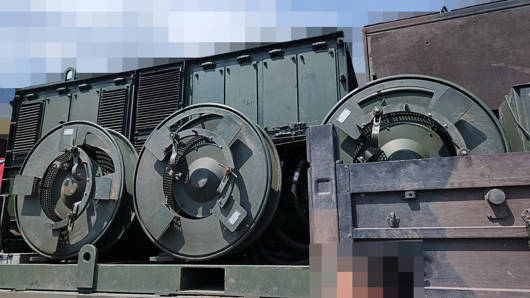
– One unique product we are particularly proud of is, of course, the protective structures designed for the Patriot and SAMP/T air defence systems. We are currently developing protection for the control module of the Hawk air defence system, which is operating in Ukraine.
In my view, this is a genuinely unique experience, because we are dealing with highly advanced equipment designed to protect the skies from the enemy. However, certain shortcomings became apparent in real combat conditions. Working together with the military, we addressed them: making control modules, radar systems and other components safer, so that personnel can operate confidently even in high-risk situations while defending our towns and cities from aerial attack.
– Have you presented your developments to our Western partners for review and testing? Do you receive feedback from them?
– We work with our Western partners mainly on shelters. This is especially relevant at the moment: we are showing them our solutions for the construction of various types of facility. For example, a hospital that fully meets NATO Role 2 standards. It has been inspected by numerous delegations – military medics, engineers and international specialists – and all of them recognised that these solutions are highly effective.
At many defence-related exhibitions and meetings, we have presented our engineering solutions based on our bunker modules, and they have attracted considerable interest. We are now working to bring these solutions to the international market: for example, for possible use in border infrastructure between Poland and Russia, drawing on our experience and proposals for underground structures. NATO forces do not have comparable practical experience in this area, which is why they are so interested. We maintain an active exchange of information and expertise with them.
– Another major challenge for large industrial enterprises during wartime is staffing. When many employees join the defence forces, where do you find replacements?
– A total of 11,000 of our employees have served in the defence forces, and around 8,000 are still serving. More than 1,000 have since returned to work at our facilities. So, the staffing issue remains highly relevant for us.
We recruit people with no prior experience, who are unfamiliar with metallurgy, coke production or mining. They have to be trained from scratch. Fortunately, experienced employees still remain at our sites. They pass on their knowledge and expertise to new recruits.
As a result, new employees are able to learn more quickly and adapt to working conditions. While the challenge certainly remains, we are coping with it reasonably well.
– Have you considered partnerships with educational institutions to train specialists specifically for your needs?
– We work closely with virtually all technical educational institutions in Zaporizhzhia, Kamianske and Kryvyi Rih. We have long-term programmes in place to attract students and young people to our facilities: this is systematic work.
We even have our own university – Metinvest Polytechnic – through which we attract additional people with technical qualifications. However, this pipeline is still not sufficient: the staff shortage remains significant, at over 10%. We address it through various measures, but we still need new people in order to organise production more efficiently.
– This has traditionally been a male-dominated industry. With all due respect to women, some roles were historically seen as hard to replace. Is that changing in practice?
– Today, many positions that were traditionally held by men are now filled by women. They are successfully stepping into roles previously performed by men who have gone on to serve in the defence forces or who are simply impossible to find on the labour market today.
Women are now even working as haul truck drivers, although this used to be considered an exclusively male profession. Many traditionally male occupations are now being mastered by women, and they are performing just as effectively as men.
– The fifth year of the war has begun, and there is still no visible end in sight. Does the Steel Front initiative have plans for the future? Which areas do you intend to prioritise?
– First and foremost, we will continue to support the defence forces in every possible way: both through procurement of equipment and through assistance provided by our own products.
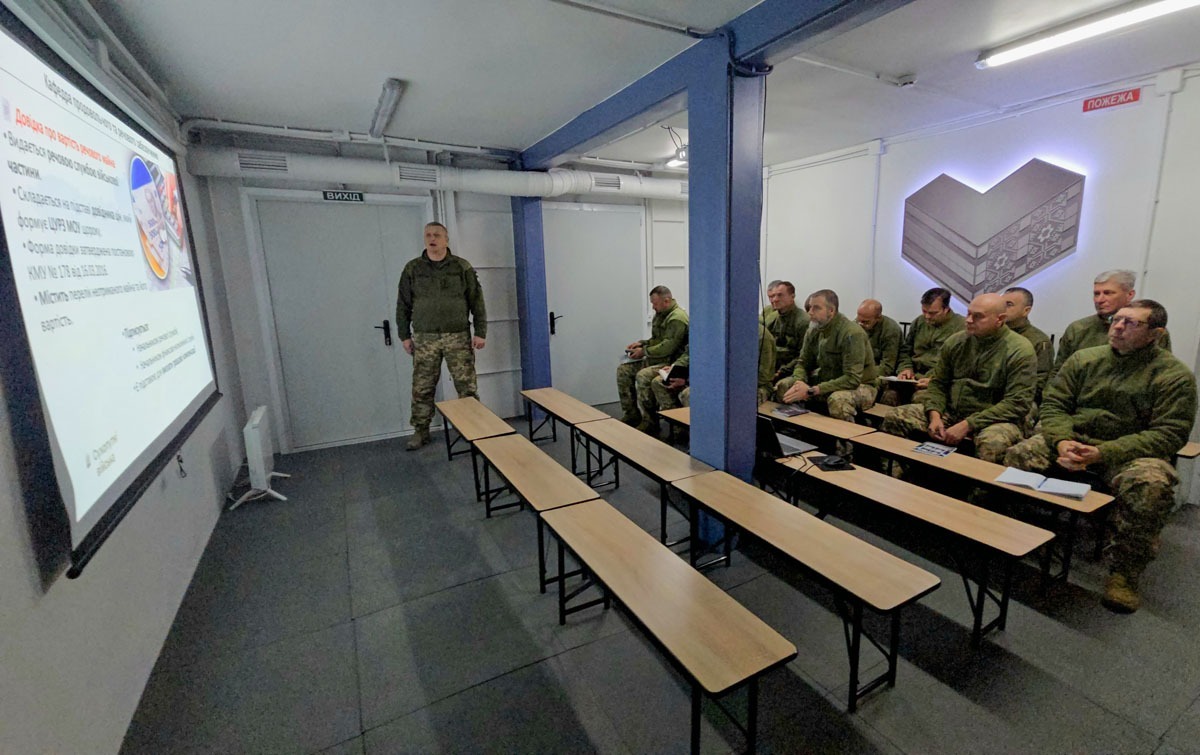
In manufacturing, we will focus on equipment protection: we will continue improving existing solutions and developing new ones for different types of machinery. The second area is the further development of our bunker modules and related solutions. An underground training centre has already been built on the basis of such shelters. We are now completing another major underground facility for pilot training.
This is a significant niche in which we intend to continue working and developing.
– Based on the Steel Front initiative’s experience over the past four years, what would you say to those who are still hesitant about supporting our defence forces?
– For us, the question of whether to support them or not simply does not arise. Nor should it arise for any Ukrainian. If we were to allow the ‘Russian world’ to prevail here, there would be no Ukraine, no business: nothing.
We are simply obliged to support the defence forces and do everything possible to keep the country and its economy functioning. There is no ‘either-or’ here: this is something we must do if we want to preserve our state.
– And what would you say to those who have supported the defence forces throughout these four years but are beginning to lose heart, given how difficult the situation is and how great the costs are?
– I would say only this: we must remain steadfast, no matter how hard it becomes, because the darkest night always comes before the brightest dawn. We must continue providing support and remain a reliable rear base for our troops.
– What kind of feedback or expressions of gratitude have you received during the war from those using your products?
– For me personally, and for our colleagues in production, the greatest feedback is when a unit commander calls and says: ‘We took a hit – either to a vehicle or to a dugout – but thanks to your protective systems, everyone is alive, everything is fine, and we are continuing to fight.’
That is the highest commendation we could possibly receive. It means we have done our job properly.