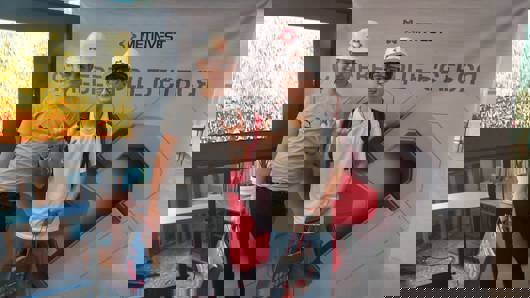

Students of Metinvest Polytechnic studying metallurgical disciplines took part in an on-site practical workshop at one of the industry's key enterprises, Kamet-Steel. The training took place directly in the production environment, where metallurgical production, modern technologies, engineering solutions, and accountability for results are daily practice.
The workshop format for students of the technical university Metinvest Polytechnic was highly practical and focused on real engineering practice. Within the training framework, students combined work directly in production, laboratory and practical classes, equipment operation, analysis of applied cases, and master classes from enterprise specialists.
Hennadii UDOVIK, Rolling Shop Production Foreman at Kamet-Steel:
"We approached organizing this session in our shop with great responsibility, because we understand: today these young people stand beside us in the shops as students, but tomorrow they could become change leaders and leading engineers at our enterprises. I was pleasantly impressed by the level of preparation and interest of the future specialists and master's students. These are not just observers; they are professionals who ask specific, in-depth technical questions about operating modes, equipment settings, and metal quality characteristics. We tried to demonstrate all the nuances of rolling production as openly as possible, so that students could see real challenges and ways to solve them. I am confident this experience will be a powerful stimulus for their further development within the Metinvest Group."
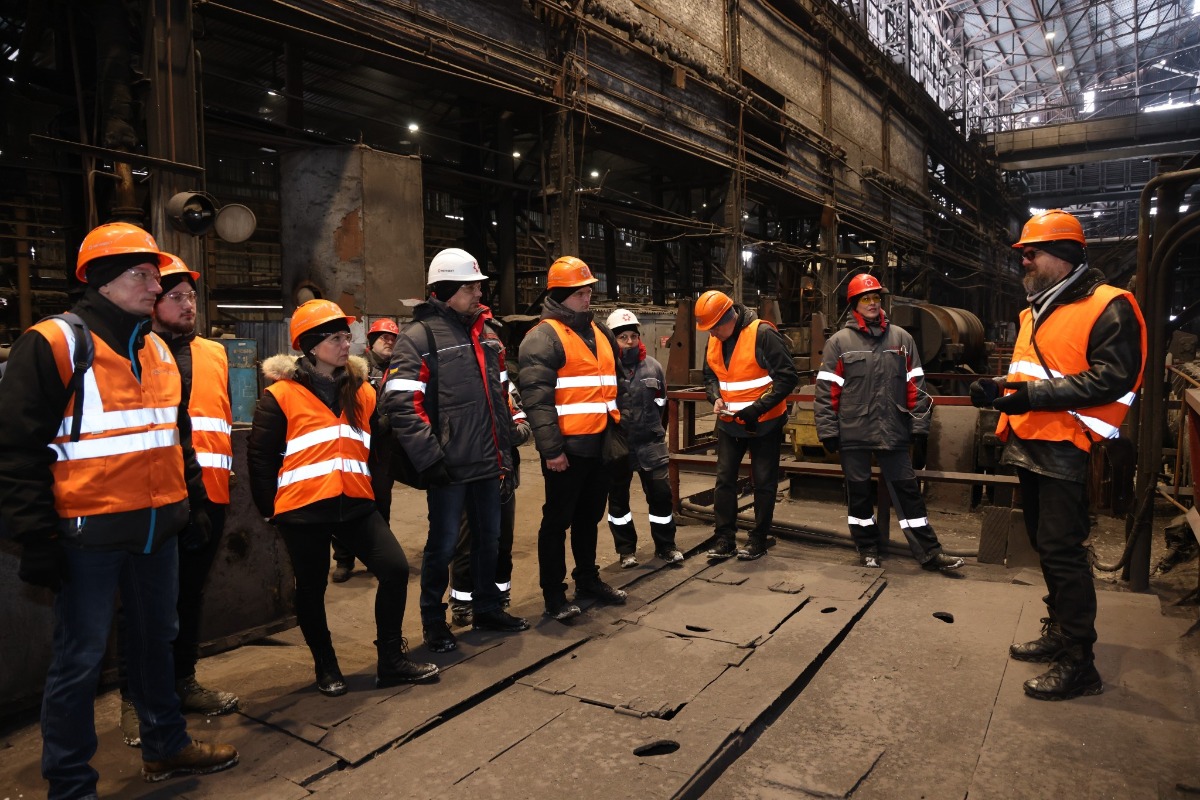
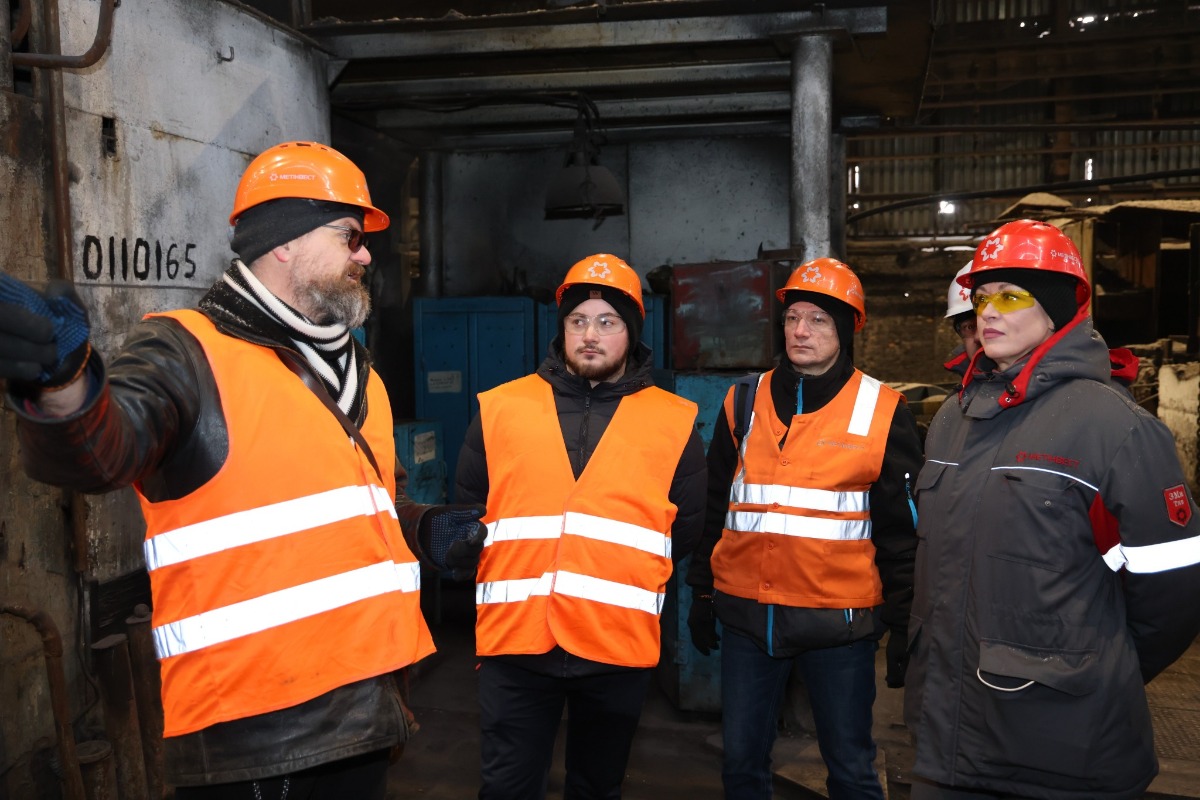
This approach ensured full professional immersion: students analysed technological chains of metallurgical processes from raw material preparation to finishing of rolled metal products, studied the role of automation in managing complex production systems, occupational safety issues, and the impact of engineering solutions on the stability and efficiency of metallurgical processes. The experience gained allows them not only to understand how a modern enterprise functions but also to form a systemic vision of the industry in which future engineers will build their careers.
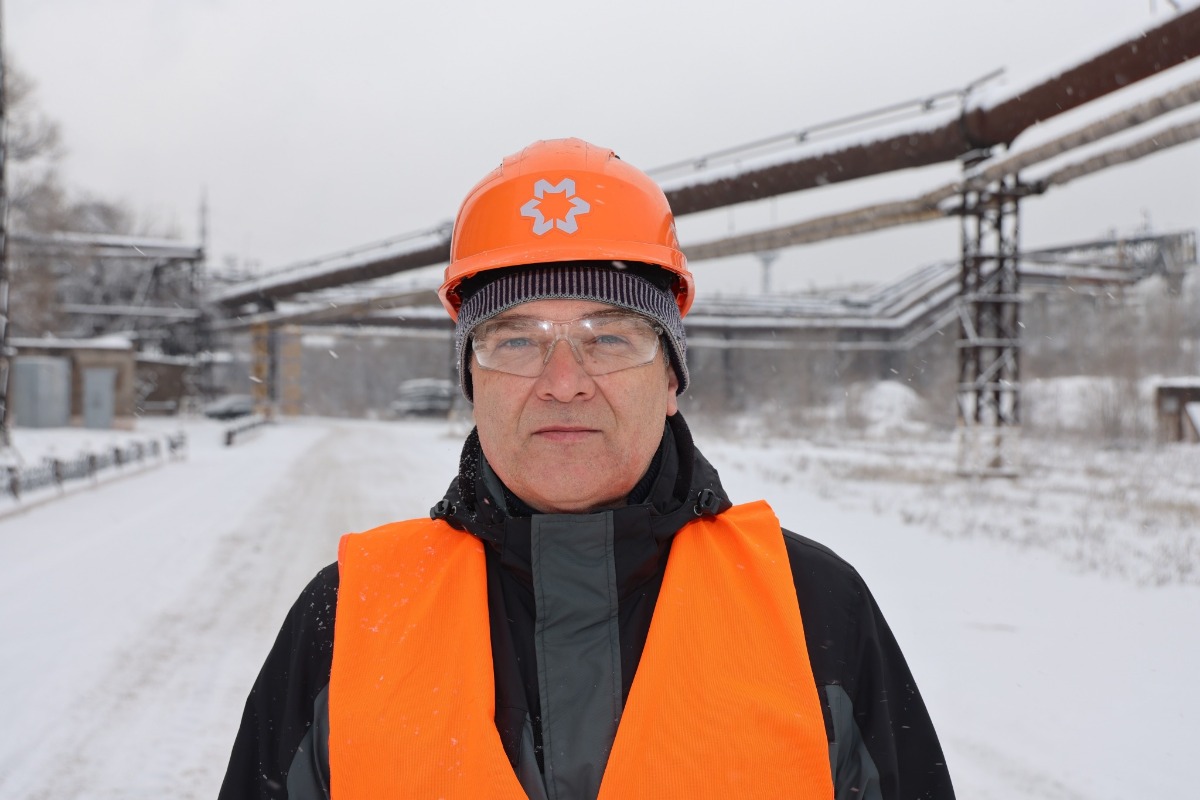
Eduard HRYBKOV
Eduard HRYBKOV, Head of the Department of Metallurgy and Production Organisation at Metinvest Polytechnic, Professor, Doctor of Sciences:
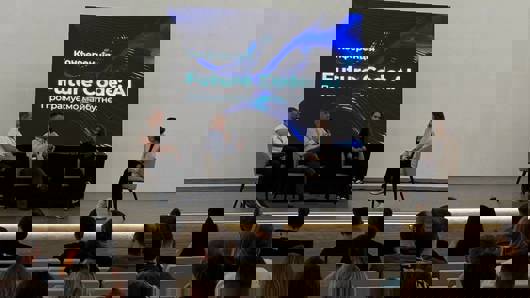
"The main goal of this offline session is transforming theoretical knowledge into practical skills. We gathered future metallurgists not just for a tour, but for deep analytical work in real production shop conditions. Students went through the entire production chain, which allowed them to see the interconnection of technological parameters at different stages. Additionally, such meetings have enormous social significance. Live contact between instructors and students from different cities ‒ Kryvyi Rih, Zaporizhzhia, Kamianske ‒ forms a genuine professional community where the experience of one enterprise complements the experience of another. We are impressed by the professionalism of the plant's specialists, who not only accompanied us but also shared their unique experience, answering complex technical questions from future master's students. This openness of production to education is the foundation on which we are building together a new generation of Ukrainian metallurgy."
The laboratory workshop included future bachelor's students of the educational programme "Ferrous Metallurgy," as well as master's students in "Sinter and Blast Furnace Production" and "Metallurgy Modernisation Management" ‒ a programme that combines deep industry training with managerial and systemic vision of production development.
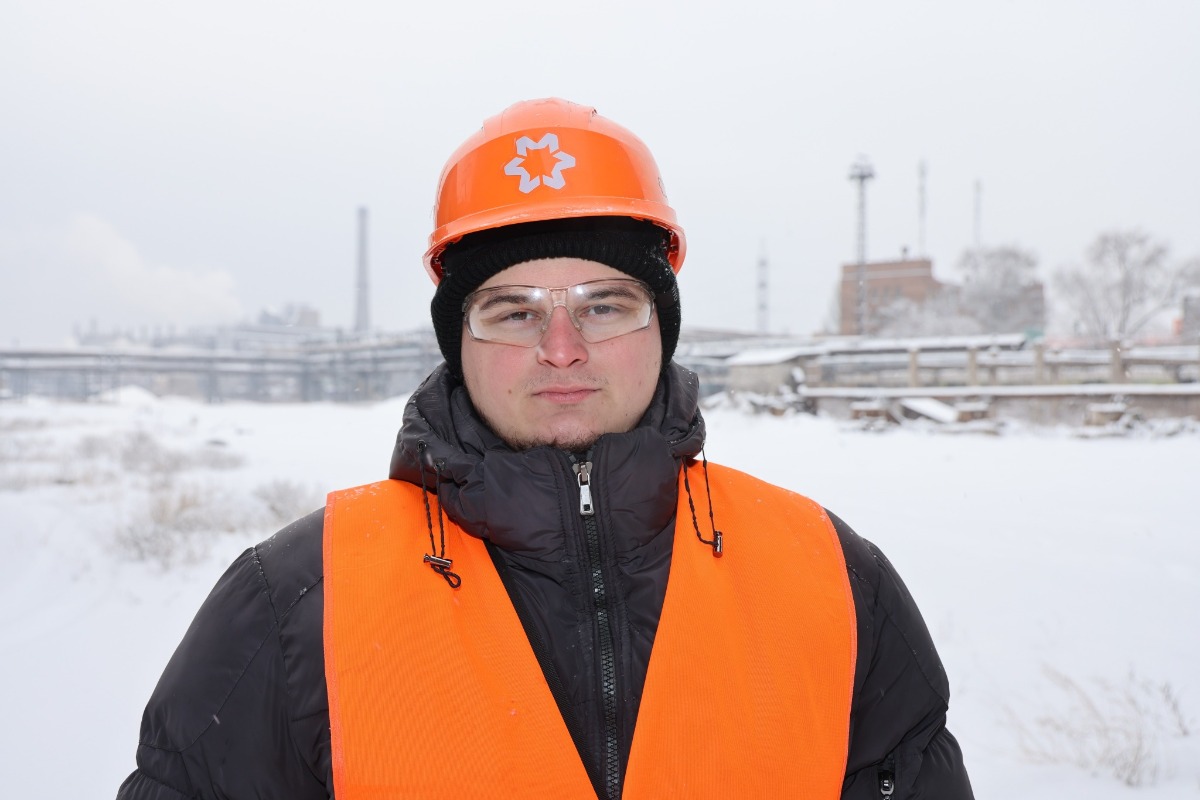
Roman FEDOROV
Roman FEDOROV, Hot Rolling Mill Control Station Operator in the Rolling Shop, Metinvest Polytechnic Student, Deputy Head of Student Government:
"For me, this offline session is primarily an opportunity to gain systemic production experience that goes far beyond my daily work. Working at the mill, I see only part of the process, but thanks to the offline session, I was able to trace the entire technological path ‒ from agglomerate production to obtaining the finished billet that later comes to us in the rolling shop. Understanding how related departments work, how they overcome production challenges, and what innovative solutions they implement allows me to see metal not just as an object for processing but as the result of complex, coordinated work by thousands of people. I recently started working in rolling and simultaneously entered the master's programme, so it is critically important for me that theory not be detached from reality. At Metinvest Polytechnic, teachers treat students who combine studies with hard work in production with great understanding and flexibility. There is no 'dry' theory here ‒any lecture thesis is immediately verified in practice in the shop. This makes it possible to consciously analyse equipment performance indicators and propose our own solutions for process optimisation."
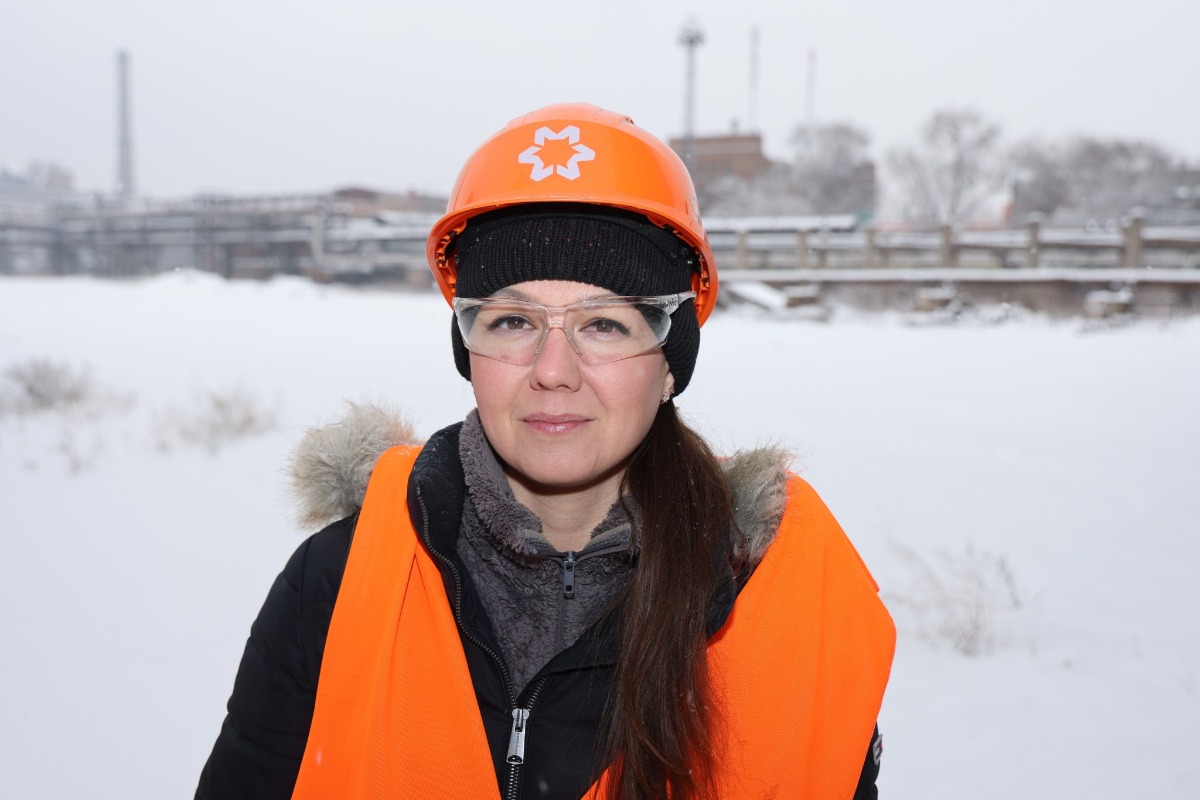
Nataliia BUSHUI
Nataliia BUSHUI, Moulder at Metinvest Machinery, Metinvest Polytechnic Student, Head of Student Government:
"My job is to produce moulding mixture for foundry production, and in six years of work I have learned this process well. However, studying in the master's programme has opened new horizons in metallurgy for me. At Kamet-Steel, I saw for the first time with my own eyes the operation of a continuous casting machine and the impressive scale of the BOF shop's production. It is an incredible experience that no textbook can replace. I see my future in Metinvest, and my goal is to confidently move up the career ladder, having behind me not only work experience but also thorough engineering education. Such visits to giant enterprises inspire and give a clear understanding of the scale of the industry we have chosen."
Metinvest Polytechnic's partnership with the Metinvest Group's industrial enterprises lies at the foundation of the university's educational model, where education and production work as a single ecosystem. This approach forms engineers ready to quickly engage in industry work and meet the challenges of modern metallurgy.