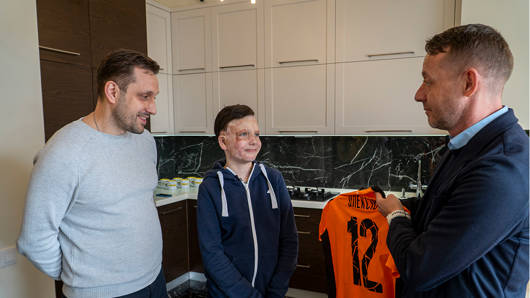

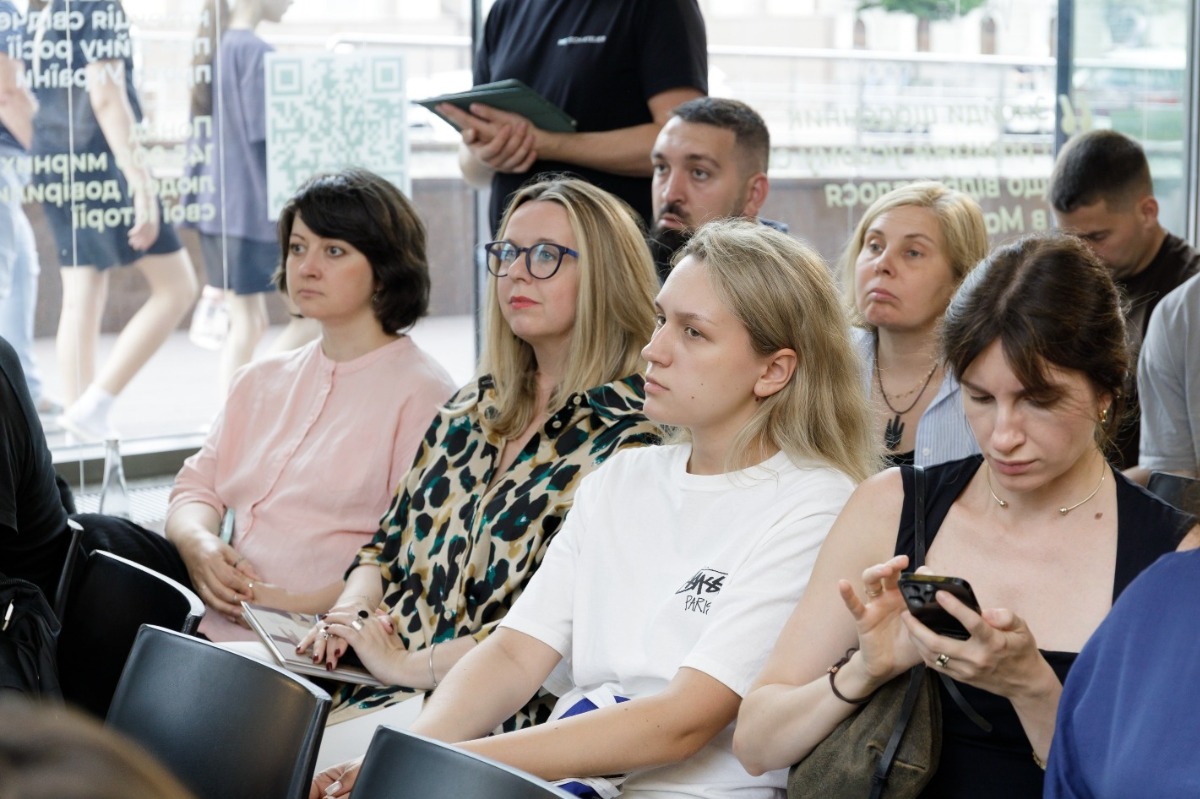
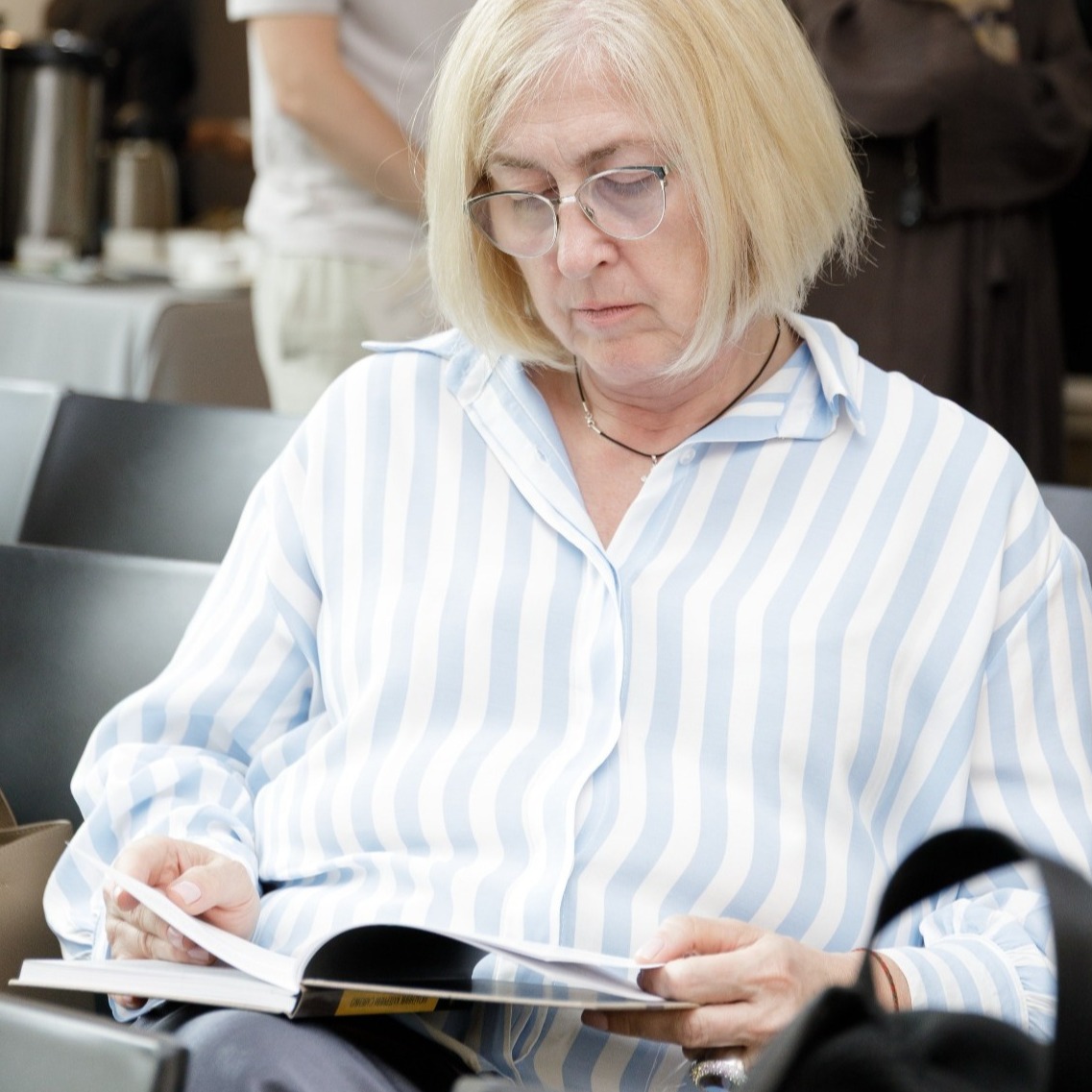
On 21 July, the History Museum of Kyiv presented a book titled Kateryna Savenko's Diary, a personal account on the first weeks of the Russian siege of Mariupol. The publication was released with the support of the Rinat Akhmetov Foundation and Metinvest Group.
Forty-two-year-old Kateryna Savenko worked at Ilyich Iron and Steel Works. She made her first diary entry on 24 February 2022. The two notebooks contain 34 entries about the lives of her family and neighbours, shelling, the search for food and water, nights spent in the basement, the destruction of the city, and memories of peaceful Mariupol.
On 29 March, Kateryna's husband, Vitalii, was killed during shelling, and Kateryna herself was severely injured. She died on 4 April. Before she passed away, Kateryna asked her sister to find her diary and tell the entire world what happened to Mariupol, while asking her daughter to preserve the diary.
The family found the two notebooks and took them out of the occupied city. Later, the diary became part of the archive of the Museum of Civilian Voices of the Rinat Akhmetov Foundation and formed the basis of a separate publication.
During the presentation, Anton Drobovych, a philosopher, lawyer, and expert on memory policy, described the publication as the result of several exceptional decisions: Kateryna continued writing during the siege, her family saved her textbooks, and specialists preserved and processed them.
"A person experiencing an incredibly difficult emotional state while fighting for her own and her family's survival decides to keep a diary. This is a remarkable act. People are not obliged, while trying to survive, to keep diaries and document their own experience and experience of others," said Anton DROBOVYCH.
He emphasised that a personal diary conveys the experience of an individual and requires context. When preparing such a publication, there should be a clear distinction between the author's text, the translation, editorial notes, historical commentary, and materials added by the editors.
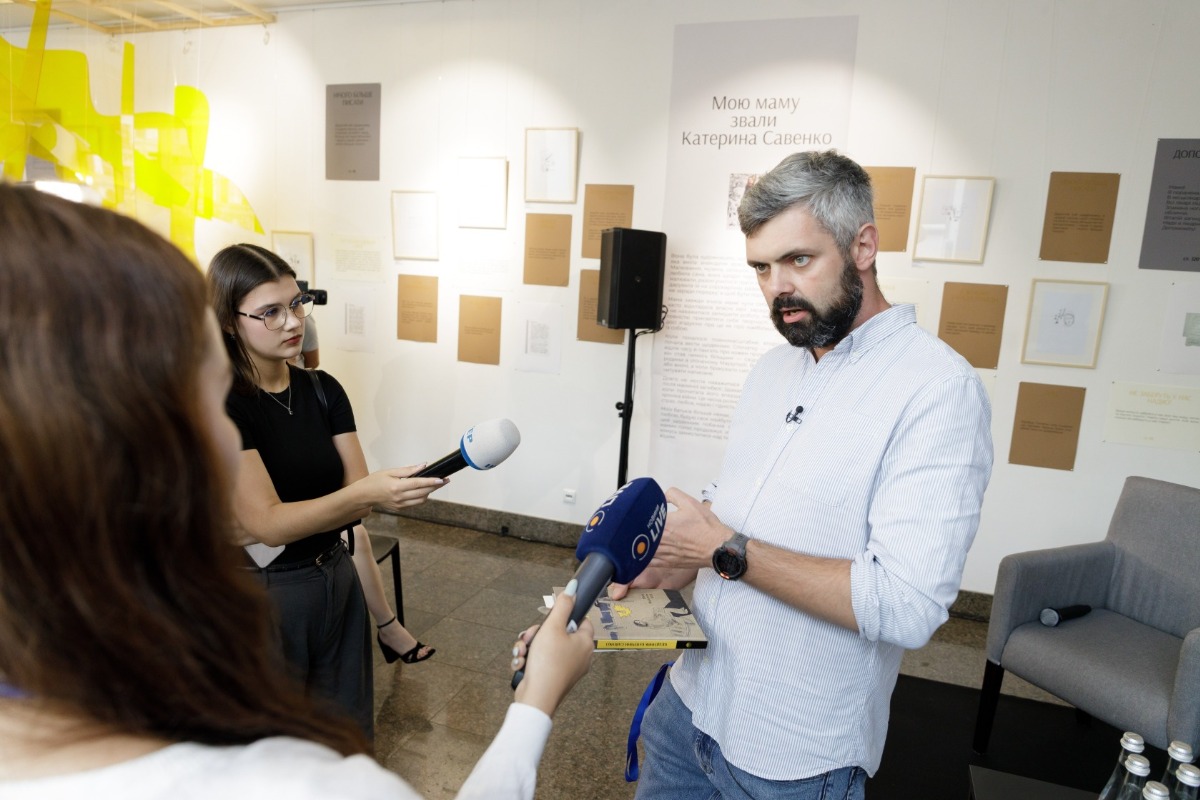
The Chair of the Supervisory Board of the Rinat Akhmetov Foundation, Nataliia Yemchenko, said that the team repeatedly returned to ethical questions while working on the publication.
"For us, it was important to do everything properly. The most challenging thing was that we did not know the right way to do it. It was our first experience of this kind, and we felt we could not afford to make a mistake. We were not trying to shock readers. Our goal was to do everything properly," said Nataliia YEMCHENKO.
According to Nataliia, during the preparation of the book, the team consulted with Kateryna's family, maintained a distinction between the author's diary entries and the additional materials, and rejected ideas aimed solely at eliciting a strong emotional response.
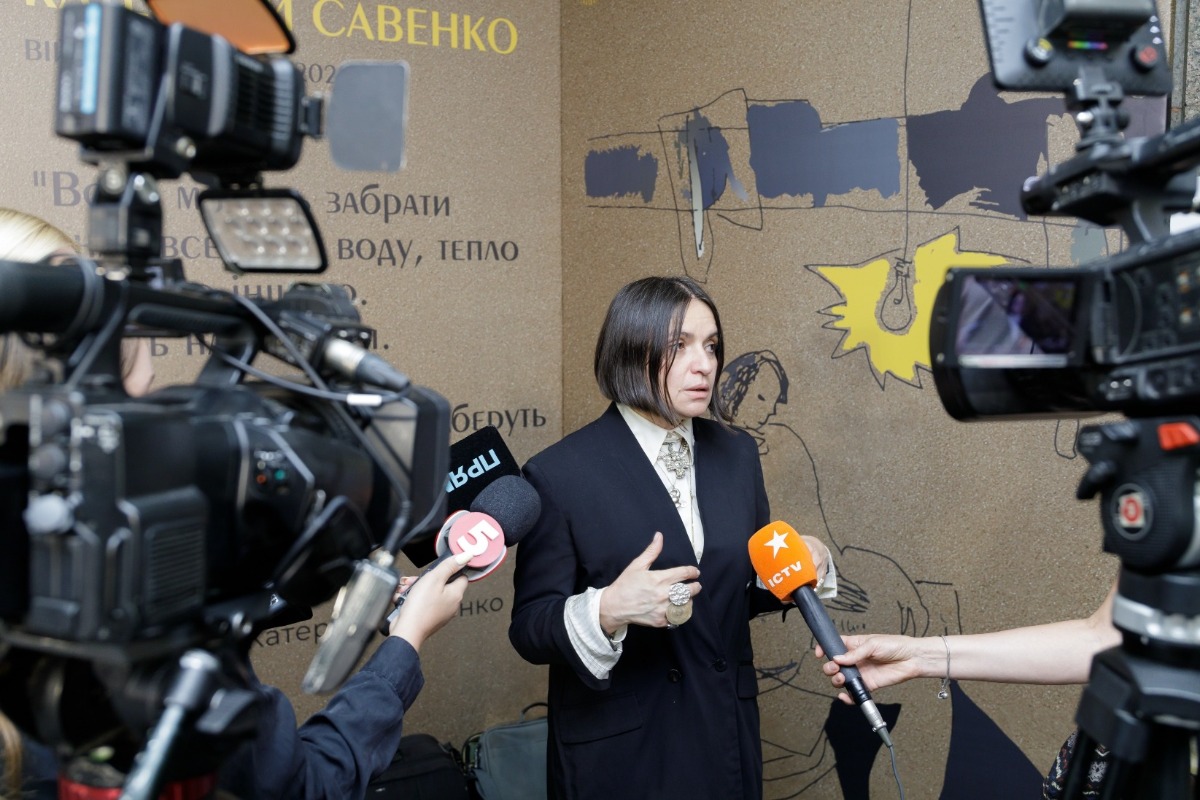
Another important area of discussion was the significance of personal testimony for documenting war crimes and ensuring future justice. Oleksandra Matviichuk, a human rights advocate, said that victims may have different understandings of what justice means.
"For some, justice means seeing those responsible behind bars; for others, it means receiving compensation; while others want to know the truth about what happened to their loved ones. For some, it is important to be heard, to share their pain, and to receive public recognition. All of this is justice," said Oleksandra MATVIICHUK.
She explained that personal records may preserve detailed information about events, help to verify information, and supplement other materials. For such records to be used in specific legal proceedings, it is necessary to establish the document's provenance, verify the circumstances described, and cross-check them against other sources.
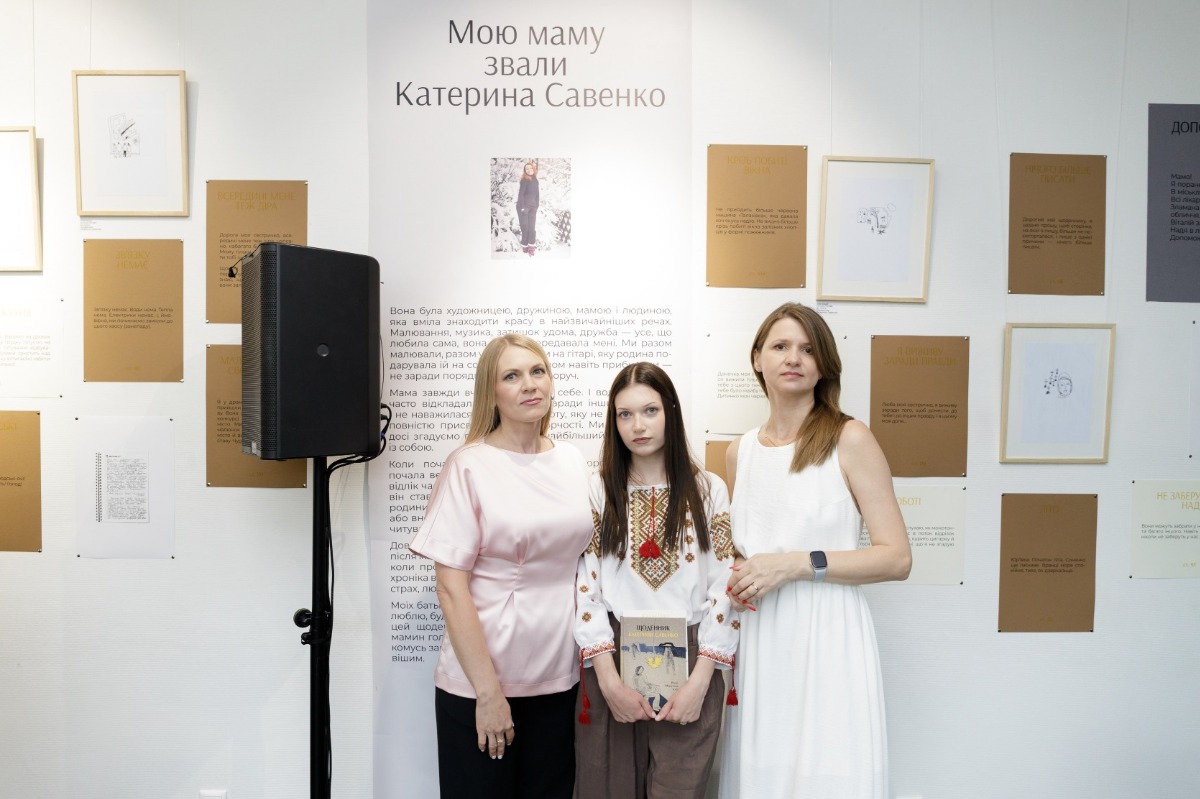
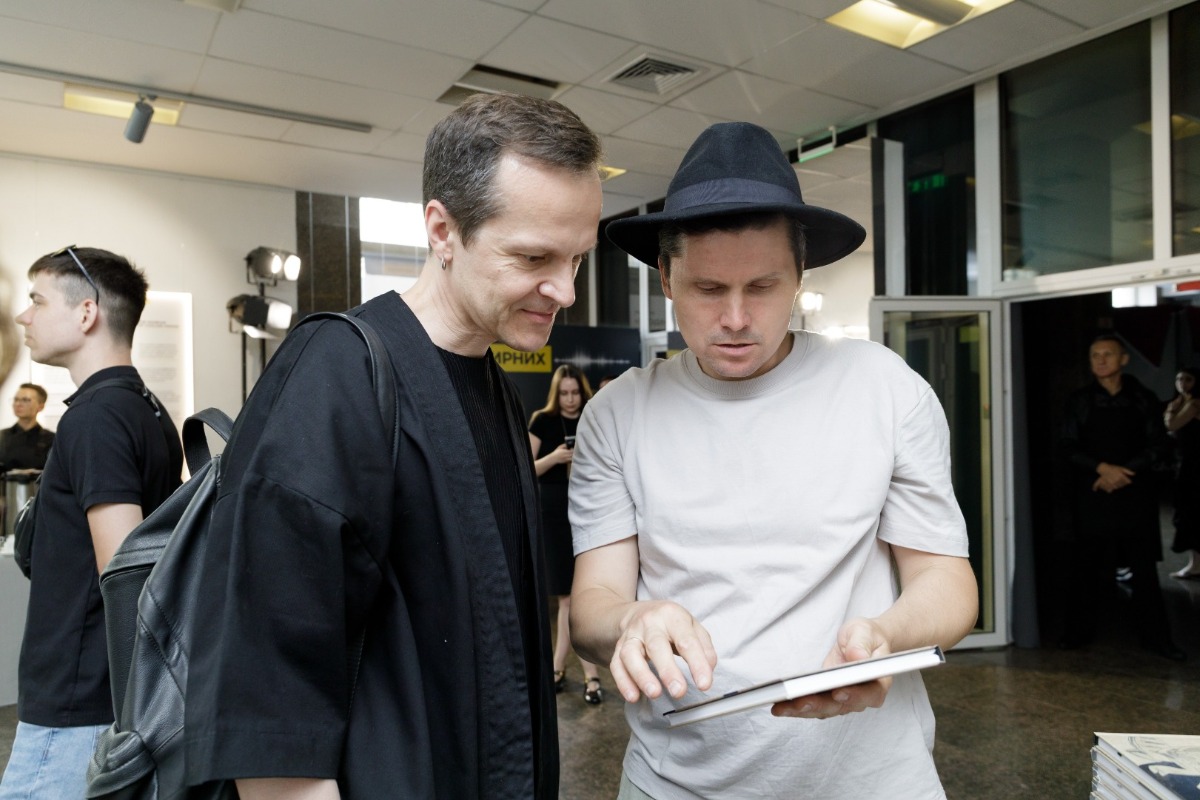
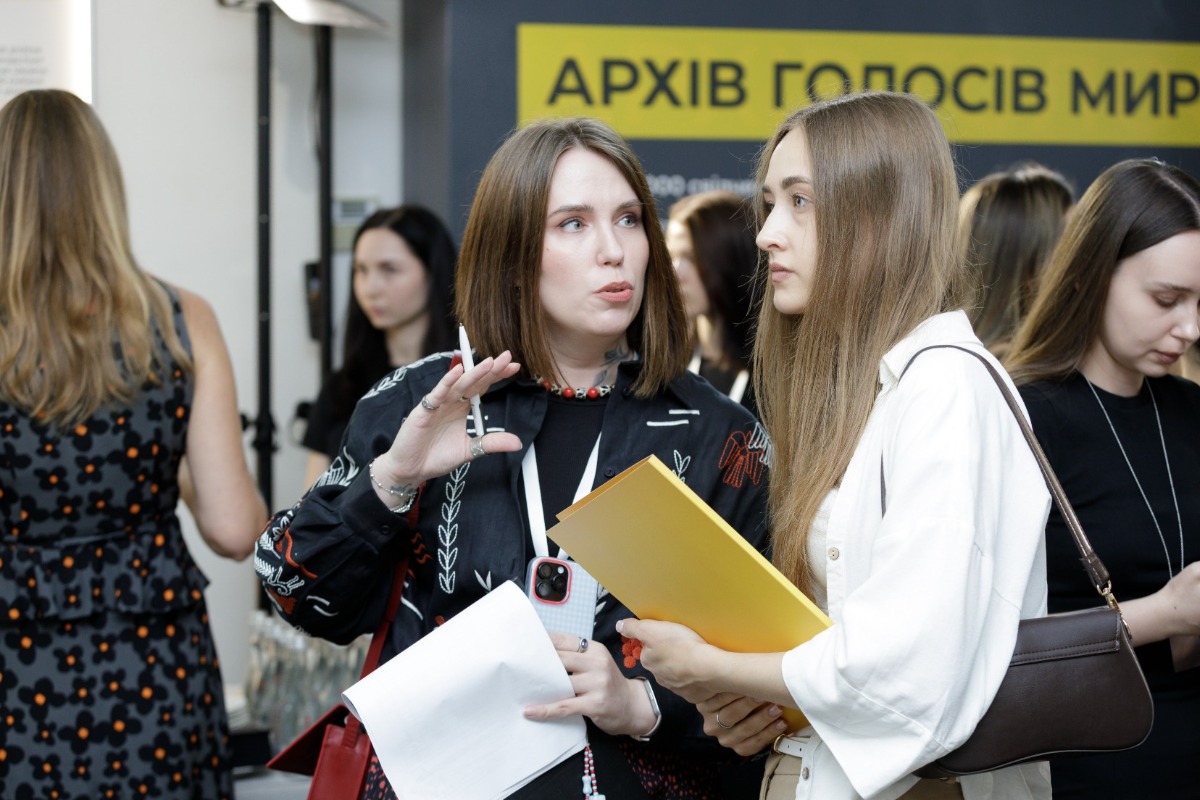
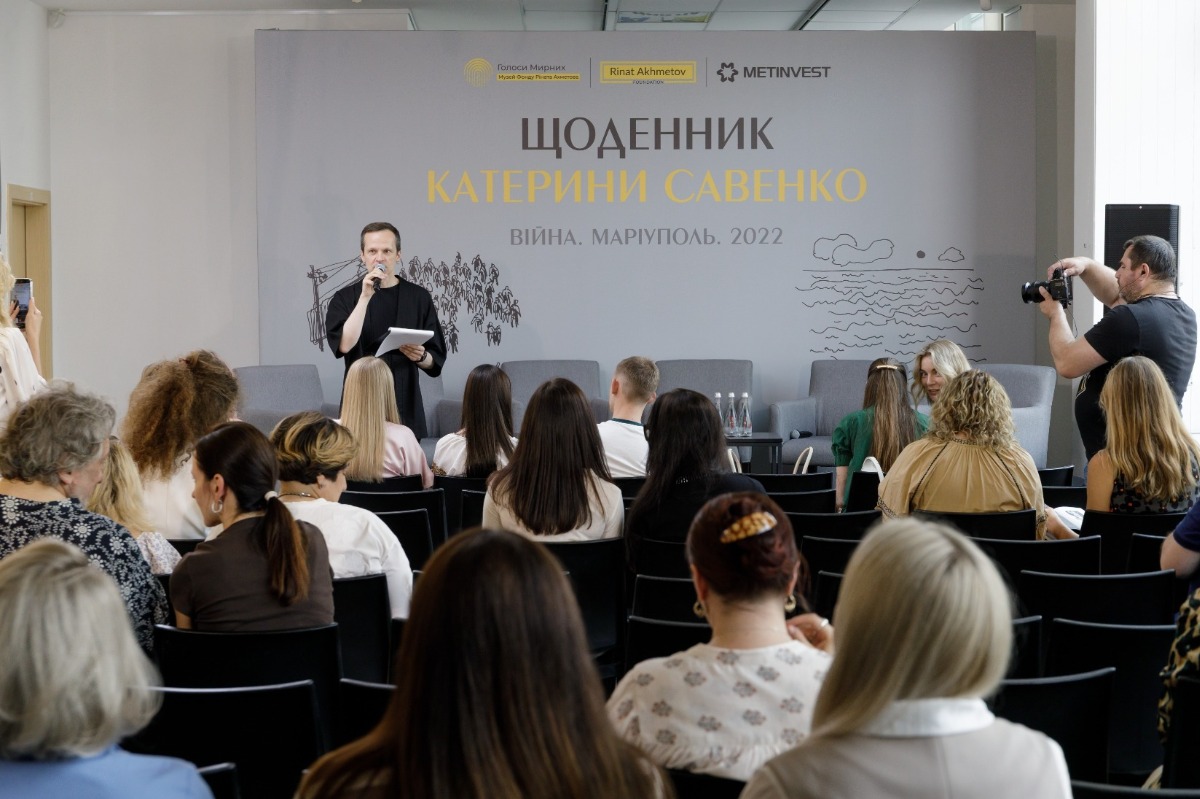
Andrii Servetnyk, a doctor from Mariupol who headed City Hospital No. 4 in 2022, spoke about how accurately the diary conveys everyday life in the besieged city.
"First and foremost, this is memory. Secondly, it is justice. Justice for those who were killed, those who survived, and for the entire world," said Andrii SERVETNYK.
Mykola Osychenko, a moderator of the event who also survived the siege of Mariupol, drew attention to specific everyday details recorded in Kateryna's diary. For example, on 8 March, snowfall gave many residents of the city the opportunity to collect water.
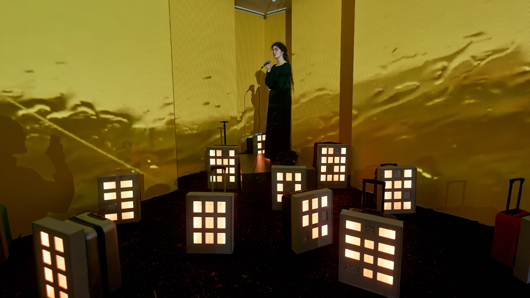
During the presentation, Anna Zakletska read aloud several extracts from the diary. Anton Lohov created the book's visual design. Anastasiia Ishenko, an art curator at the Museum of Civilian Voices, presented an exhibition dedicated to Kateryna Savenko, her diary, and Mariupol.
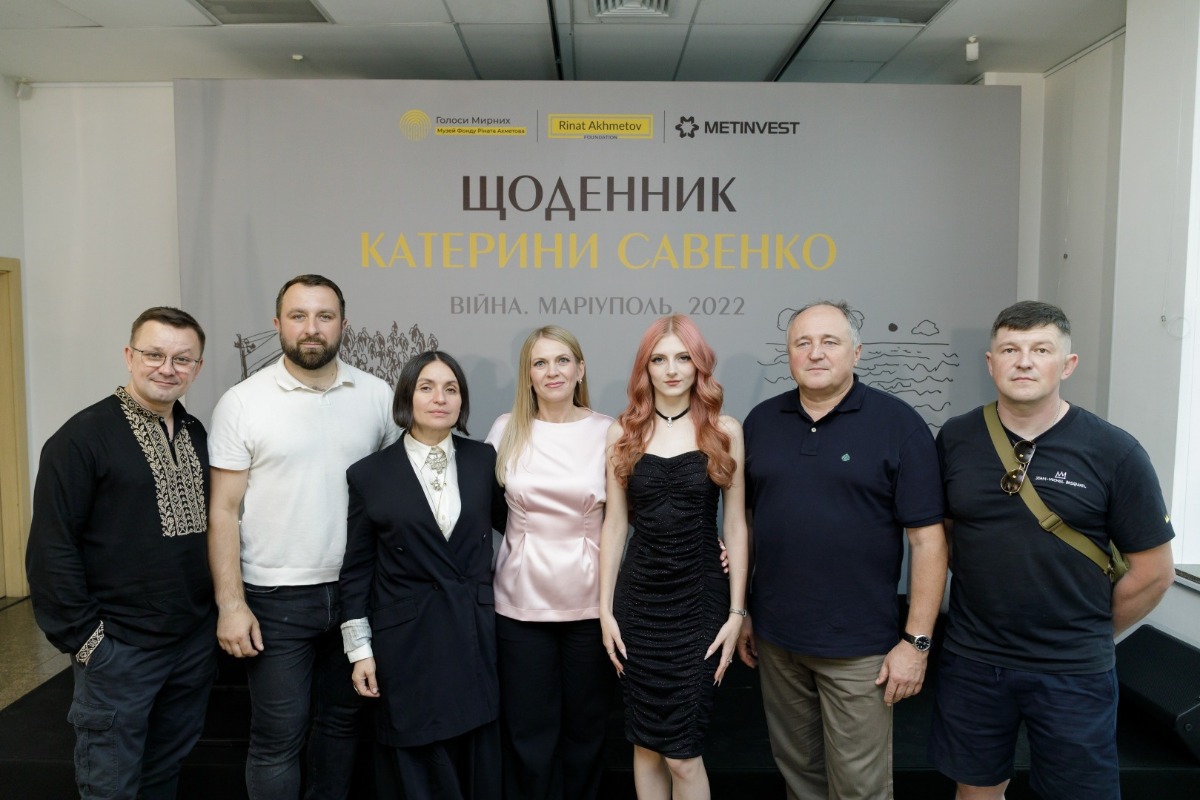
Guests at the event also received envelopes containing flower seeds. The seeds were inspired by Kateryna's many references to flowers and to peaceful, blooming Mariupol in her diary.
The book Kateryna Savenko's Diary is now available in bookshops across Ukraine. The Museum of Civilian Voices of the Rinat Akhmetov Foundation is also preparing digital and audiobook editions and is in discussions regarding the translation and publication of the book abroad.
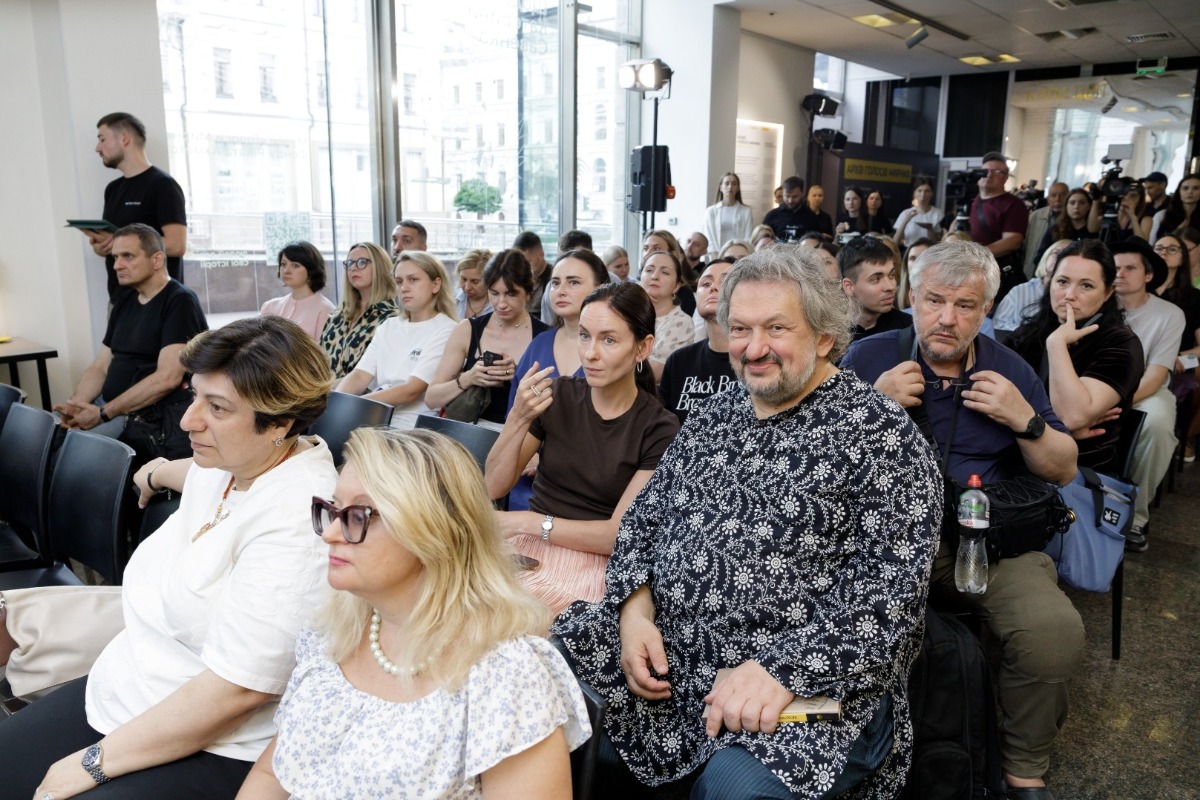
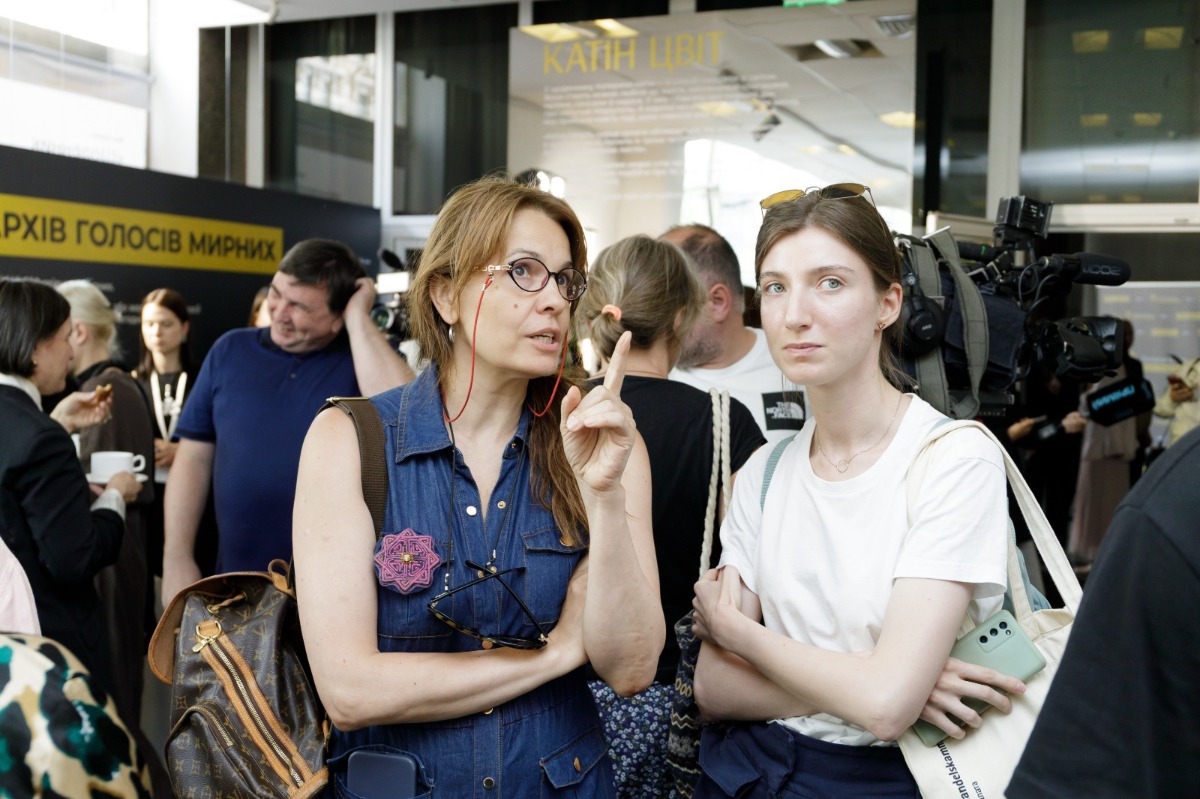
The exhibition dedicated to Kateryna Savenko's Diary will run in Kyiv from 21 July until the end of August.
Admission is free at the History Museum of Kyiv, 7 Bohdan Khmelnytskyi Street. Working hours: Wednesday to Sunday, 12:00-19:00.
The Museum of Civilian Voices, the world's largest archive of stories of civilians affected by Russia's war against Ukraine, is the organiser of the exhibition. Today, the Museum's collection contains more than 145,000 stories.