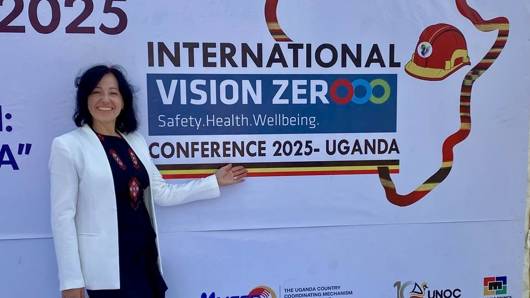

Industry is often described in the language of figures and technology. In practice, however, it relies on decisions made by specific individuals – in shops, laboratories and energy systems. Behind these decisions stand knowledge, experience and training that enable engineers to ensure process stability, safety, and production development even in the most challenging conditions.
Modern engineering education is increasingly moving beyond the classroom. It shapes not only professional knowledge but also engineering thinking, responsibility, and the ability to work with people and complex processes. At Metinvest Polytechnic, this approach is implemented through close integration with production, where practical experience becomes part of the learning process. The experience of graduates already working at mining and metallurgical enterprises demonstrates that this combination allows engineers to be involved in key areas – from product quality and energy management to industrial safety and management.
Engineering education and managerial competencies
Nataliia Myrna, power engineer for scheduled preventive maintenance of the energy service at the crushing plant of Central Iron Ore, combined engineering training with active managerial practice. During her studies, she progressed professionally from conveyor operator and accounting technician to power engineer, while simultaneously heading the first student government body of Metinvest Polytechnic.
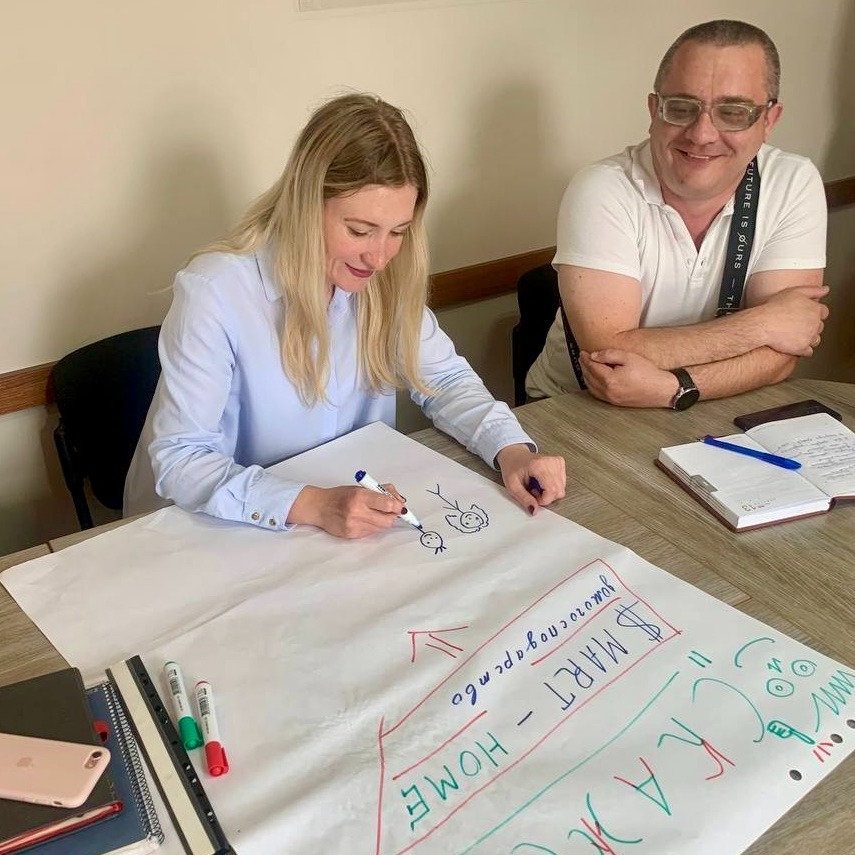
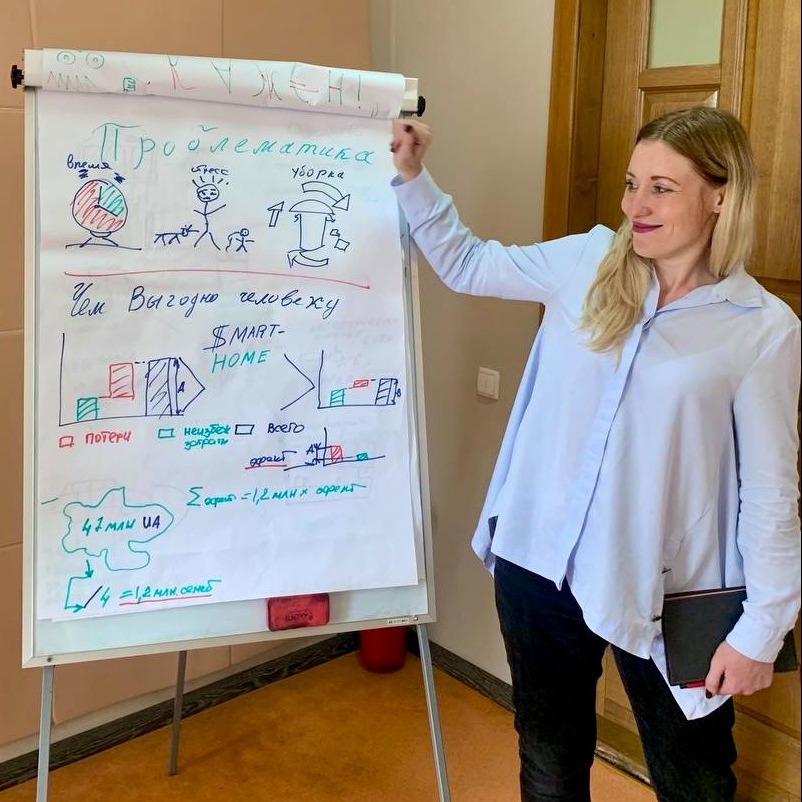
This experience provided her not only with technical knowledge but also with an understanding of decision-making processes, teamwork and responsible leadership. She highlights the practice-oriented approach to education, the involvement of lecturers with production experience and the integration of international practices into the learning process.
Production quality as a daily area of responsibility
Svitlana Cherviatiuk is a lead product quality engineer at Central Iron Ore of Metinvest Group. Her work is connected with beneficiation processes, analysis of technological indicators and the search for solutions that directly affect production efficiency and the quality of the final product.
During her studies, she developed engineering thinking – the ability to view production processes comprehensively and understand how individual decisions influence overall results. Combining study with work became the foundation of her professional growth: today, Svitlana is included in the talent pool for managerial positions.
She emphasises that a modern engineer is not merely an executor, but a specialist who analyses and improves processes and takes responsibility for results. According to her, this approach became the key outcome of her university training.
Safety as a systemic engineering function
Kostiantyn Burlachenko is a senior occupational health, industrial safety, and environmental protection engineer at Metinvest Sichsteel. His professional activity involves risk management, prevention of industrial hazards and the implementation of modern industrial safety standards.
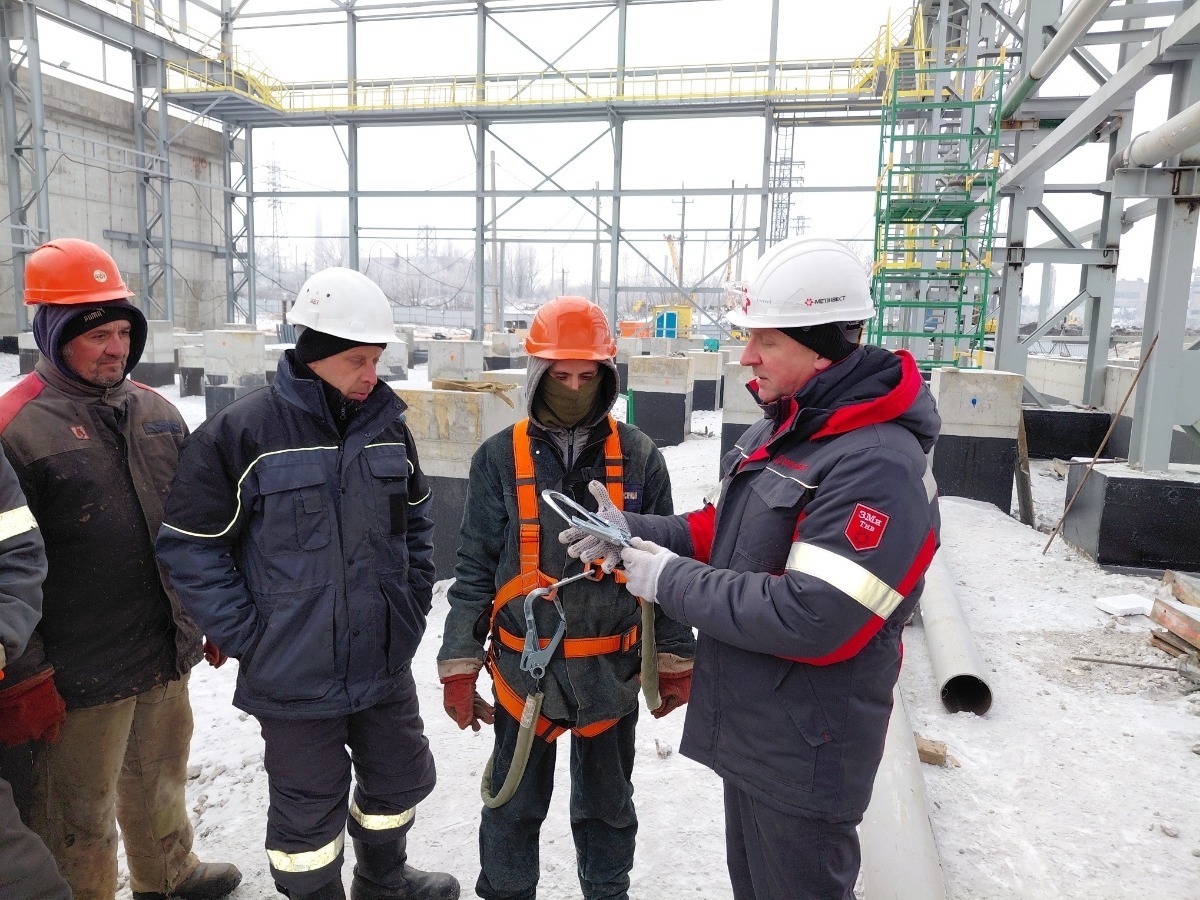
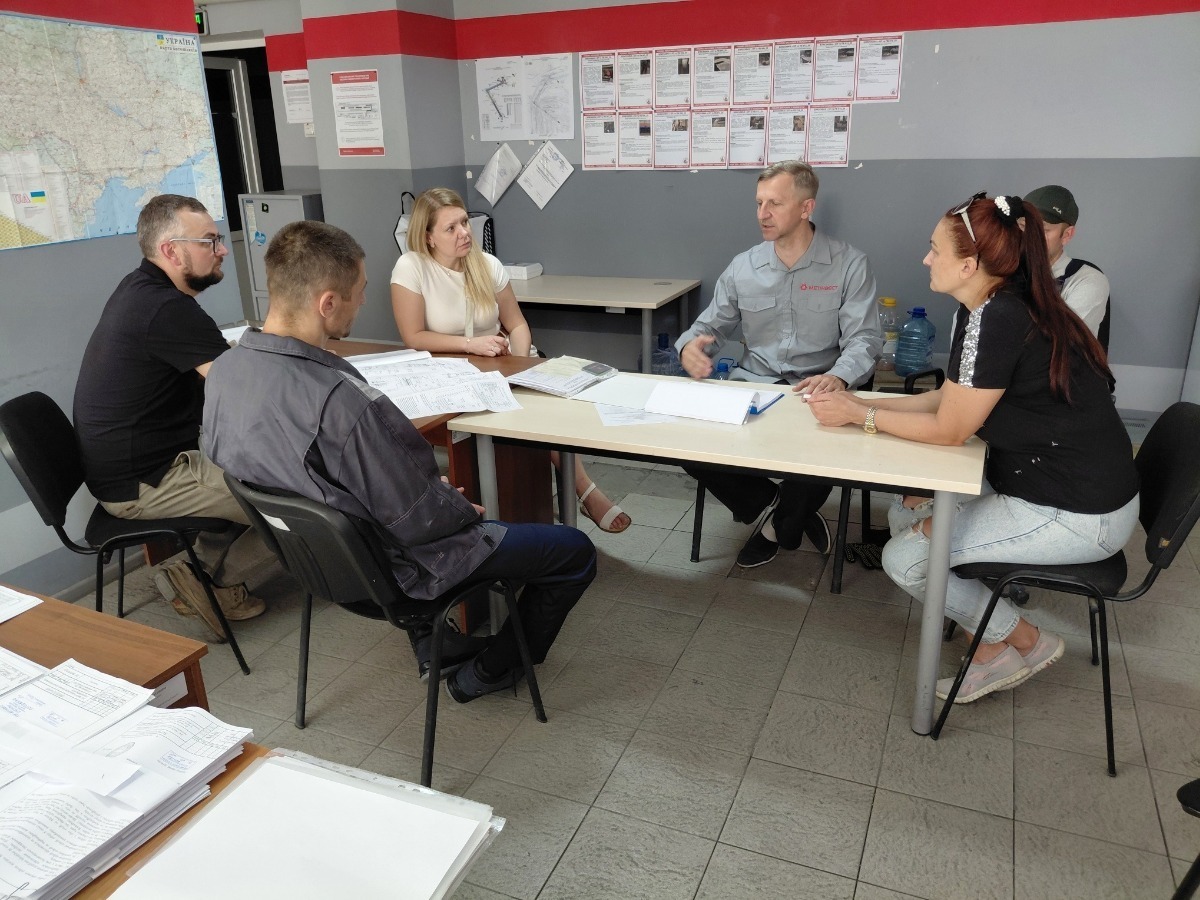
During his studies, he acquired fundamental knowledge in occupational health, ecology, and industrial safety, as well as skills in systemic analysis and the implementation of best European practices. The combination of theory and practice enabled him to advance rapidly in his profession. In 2025, Kostiantyn was awarded the Gold Star of Metinvest as a specialist whose work is critical to the stability and sustainable development of the enterprise.
Energy, management, and the long-term trajectory of change
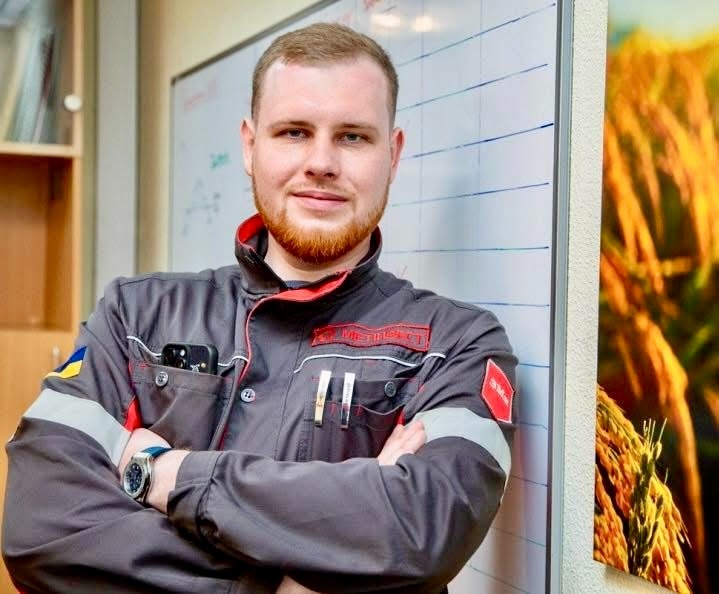
Daniil Tymoshenko, a 2025 graduate, currently serves as acting chief power engineer of the cokemaking department at Zaporizhstal. During his studies, he was already working as deputy chief power engineer, which enabled him to organically combine theoretical training with real production tasks.
In his professional activity, Daniil focuses not only on the stability of energy systems but also on strategic directions of industrial development – green transformation, decarbonisation, reduction of the carbon footprint and preparing enterprises for CBAM requirements. An additional area of his work is international communication: he serves as a university ambassador, completed an internship in Italy, and is involved in developing international partnerships.
The research component is also an important part of his professional profile: he is the author of more than 40 scientific papers, three of which are indexed in Scopus and are devoted to green metallurgy.
People as the foundation of system resilience
The stories of these engineers demonstrate that the key resource of industry is not only technology or infrastructure, but the people working within these systems. They ensure the continuity of processes, the quality of decisions, safety, and readiness for change. The combination of engineering education with real production forms specialists capable of working responsibly today. It is precisely such people who underpin not only the current operations of enterprises but also their long-term development.
Anyone can apply to the technical university Metinvest Polytechnic, and the university offers preparatory courses for high-quality exam preparation. In previous years, Metinvest Polytechnic opened enrolment for "junior professional bachelor" programmes, allowing admission without a national multi-subject test (NMT) and enabling students to acquire a vocational profession during their studies. The university's educational programmes are licensed by the Ministry of Education and Science of Ukraine and accredited by the National Agency for Higher Education Quality Assurance.