
The Railway Transport Department of Northern Iron Ore has independently implemented a project to electrify a section of the railway line, which has reduced diesel fuel consumption. According to the production volumes approved in the 2026 business plan, the economic effect of the operational improvement is expected to exceed UAH 20 million.
The main production tasks assigned to the railway function of Northern Iron Ore include transporting mined rock from the open pit mines to the crushing plant, as well as dispatching finished products and sending them to consumers. These operations involve the company’s locomotive fleet and a large team of skilled railway workers, including drivers and assistant diesel locomotive drivers and traction units, dispatchers responsible for managing rail traffic, track fitters, loaders preparing rolling stock for loading, repair staff, and the contact network function. Overall, the Railway Transport Department employs 985 staff members.
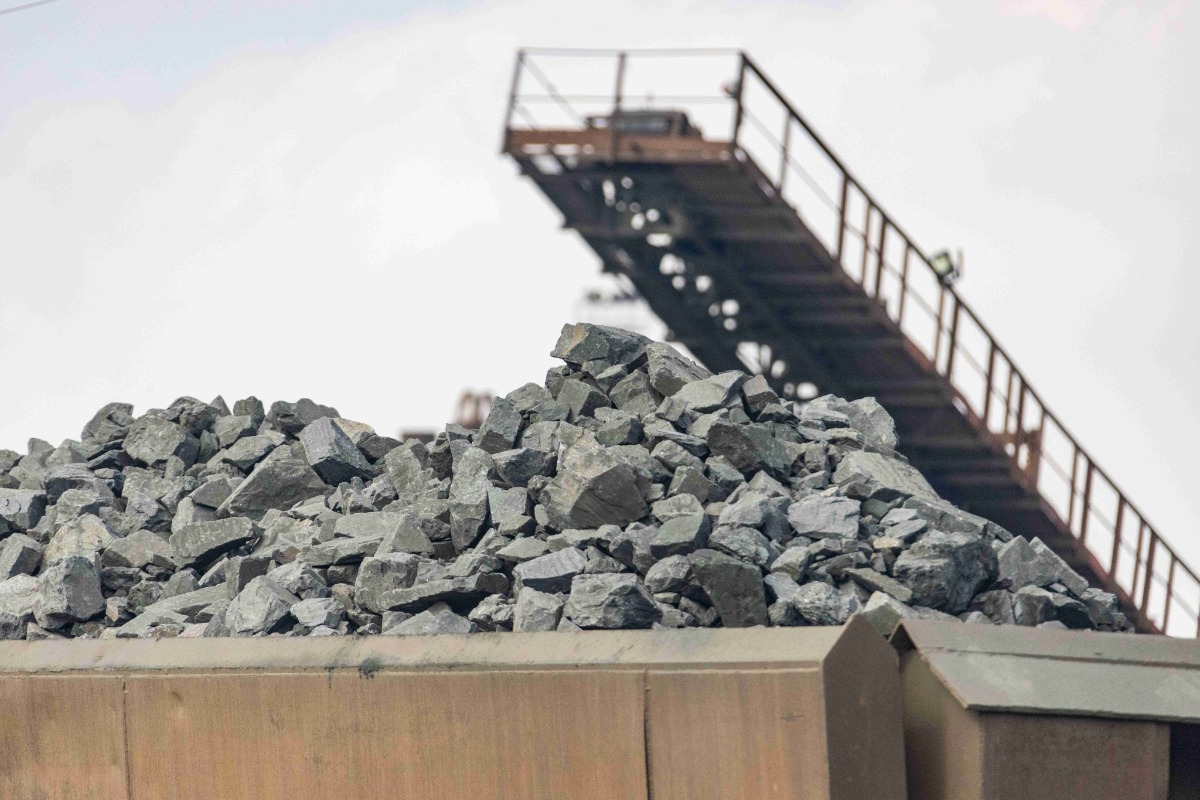
One of the technical processes currently carried out by the railway personnel is transporting rock material used to reinforce the tailings storage facility embankments. The rock is transported from Hannivskyi open pit mine to the tailings storage facility to three unloading points where excavators are located. These haulage operations are performed using diesel traction – 2TE10M diesel locomotives or “shuttle trains” consisting of 10 dump cars, all operating on diesel fuel.
“To reduce the cost of transporting rock material to the tailings storage facility embankment, we implemented a project to electrify a 2.4 km section of track running from Crushing Plant No. 2 to the excavator. To bring this idea to life, we used materials remaining after the development of mining faces during operations in the open pit mine,” said Denys MASLAK, Deputy Head of Railway Transport Operations at Northern Iron Ore.
The contact network function of the Railway Transport Department played a key role in electrifying the track section. For the installation of the technical structure, previously used but serviceable materials were utilised, including support and suspension components, insulators, and contact wire.
“When we began planning the work, we encountered several technical challenges. We needed to install the contact network beneath two overpasses. It was decided to create special structures to ensure the reliable and safe support of the contact wire. Our colleagues – the track fitters – assisted us. They excavated to a depth of up to two metres for the structures beneath the overpasses, then levelled the terrain and relaid the disrupted sections of the railway track. Overall, everyone worked professionally, and the designated section was successfully electrified,” emphasised Andrii KOVALEVSKYI, Head of the Contact Network Maintenance Unit of the Railway Transport Department of Northern Iron Ore.