
The Zaporizhzhia Biruchiy Art Centre Gallery at the Center for Contemporary Art has opened the exhibition “1538” by Kryvyi Rih artist Oksana Zharun.
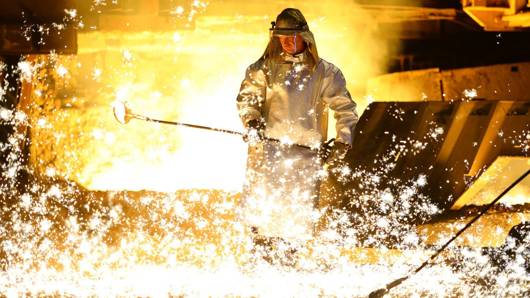
The exhibition explores how materials transform in steel-making when exposed to rising temperatures – a metaphor for the post-traumatic growth and resilience of Ukrainians. The event was held with the support of the Zaporizhzhia City Council and the Department of Culture and Tourism, in cooperation with the BIRUCHIY Contemporary Art Project international symposium and Zaporizhstal.
“The exhibition is about people, but conveyed through the imagery of steel-making and metal. The components of the charge - iron ore, coke, and limestone are like different people, different identities that undergo trials and become stronger. Each time, the temperature keeps rising, from sinter to hot metal and steel, and the material becomes more resilient. So do people. There are three key stages: 1991, 2014, and 2022. These are the years of significant and difficult trials that Ukrainians, including the people of Zaporizhzhia, went through – and each time emerged stronger. All the other works in the exhibition support this idea of living through certain traumas and continuing life with them,” says artist Oksana ZHARUN.
The exhibition features an installation of bones made of sinter, iron, and steel, created with the support of Zaporizhstal and the Zaporizhzhia Casting and Mechanical Plant specialists.

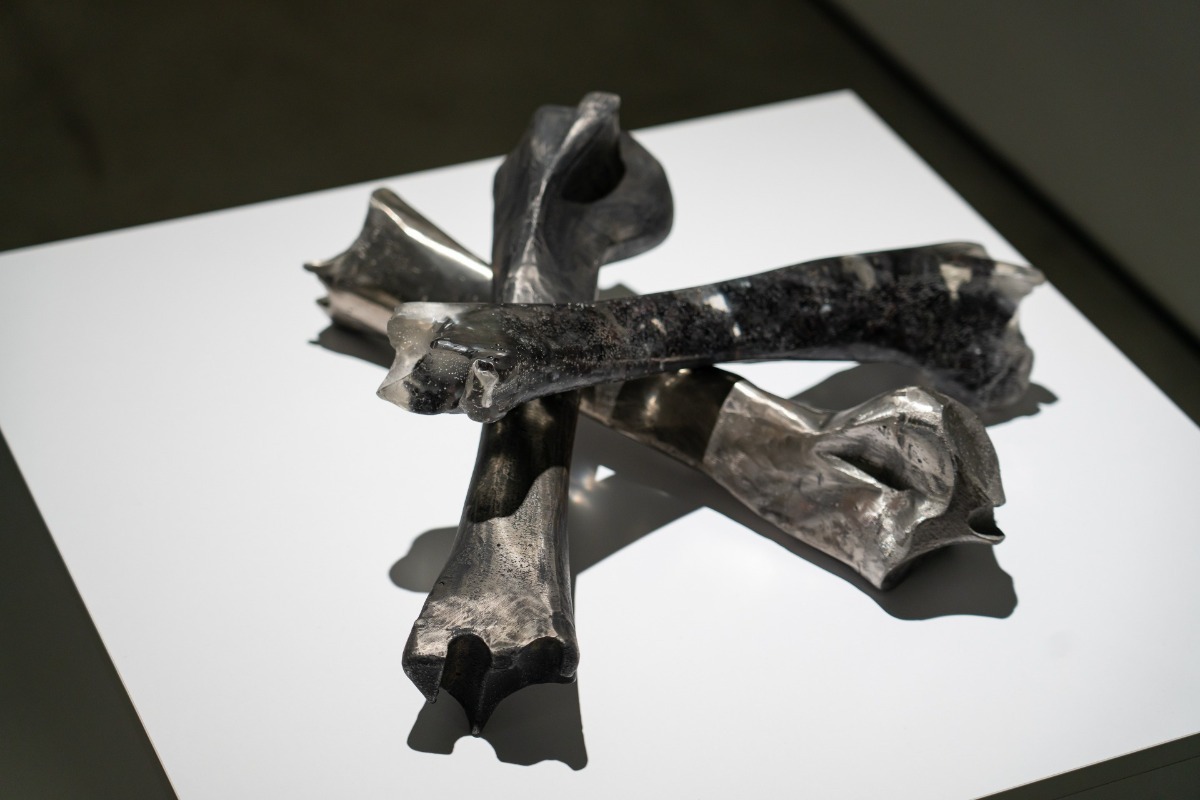

The bones were made not only by me but also by specialists from Zaporizhstal and Zaporizhzhia Casting and Mechanical Plant. Zaporizhstal provided materials for the charge mix and steel sheets for engraving, they made them thinner than what is normally used in production. I made one of the bones myself from sinter and epoxy resin. But the iron and steel bones were cast by foundry workers because of the extremely high melting temperature; they first had to create a model. As a reference, I gave them an organic veal bone from the market. They used it to desig a digital model, cut it on a foam machine, and then cast it using their own technology,” the artist notes.
The graphic series Morphology of Plants is dedicated to the artist’s walks around Zaporizhzhia, where she photographed plants, their roots, and branches, and later creatively reinterpreted them in her drawings.
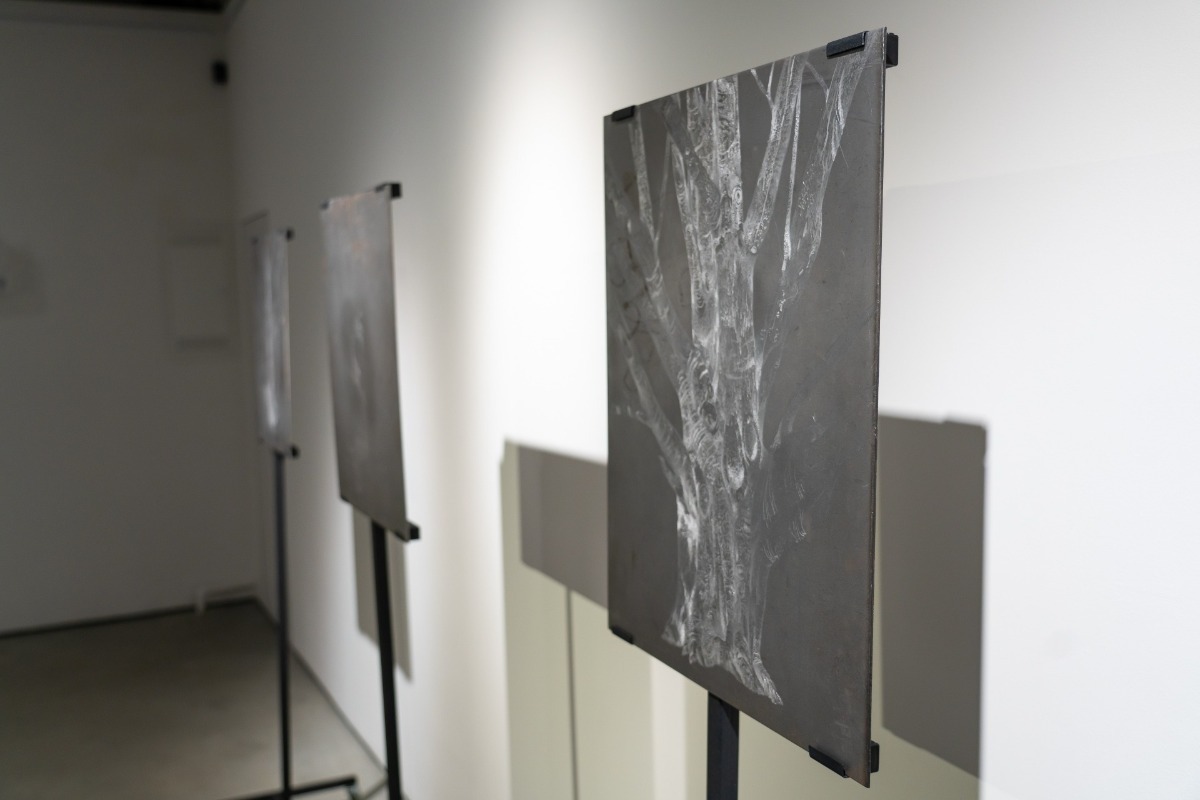
The triptych Light, featuring engravings on steel sheets of a 700-year-old oak and an acorn, symbolizes memory, loss, generational continuity, and hope. From different viewing angles or under different lighting settings, the delicate image appears slightly different. That is why the work is titled Light.
Oksana Zharun shares her impressions of Zaporizhzhia and its people:
"My initial visit to Zaporizhzhia revealed that my previous perceptions of thecity were quite basic, limited to notions of Cossacks and Khortytsia. Upon my arrival, I started to explore the city from a fresh perspective. The immediate closeness and ease of access to the mighty Dnipro River particularly appealed to me. Visually, Sobornyi Avenue truly impressed me with its remarkable length and its abundant, diverse, and beautiful architecture, stretching from the Oleksandrivskyi district to Sotsmisto.
And Zaporizhzhia has a very vibrant cultural scene. To me, Zaporizhzhia is about people who love life and have a strong desire to live. Perhaps it’s because of the presence and constant pressure of the front line, which is so close. People really try to live their lives fully: they dress nicely, go out in the evenings. And I think they now see their city differently – a city they previously underestimated. Today, Zaporizhzhia holds a much larger place in their hearts,” Oksana concludes.