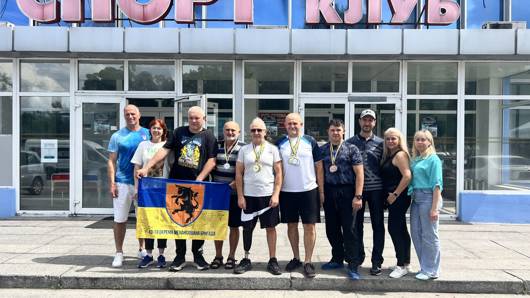
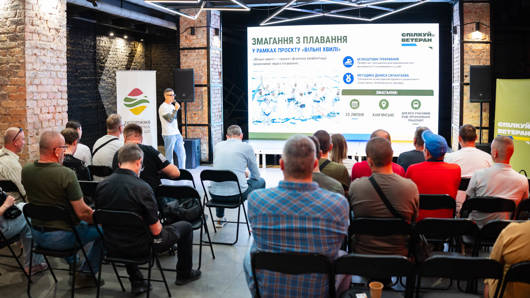
After returning from the front line, veterans have to rebuild their everyday lives. Work, communication with colleagues, and returning to civilian life all take time and support.
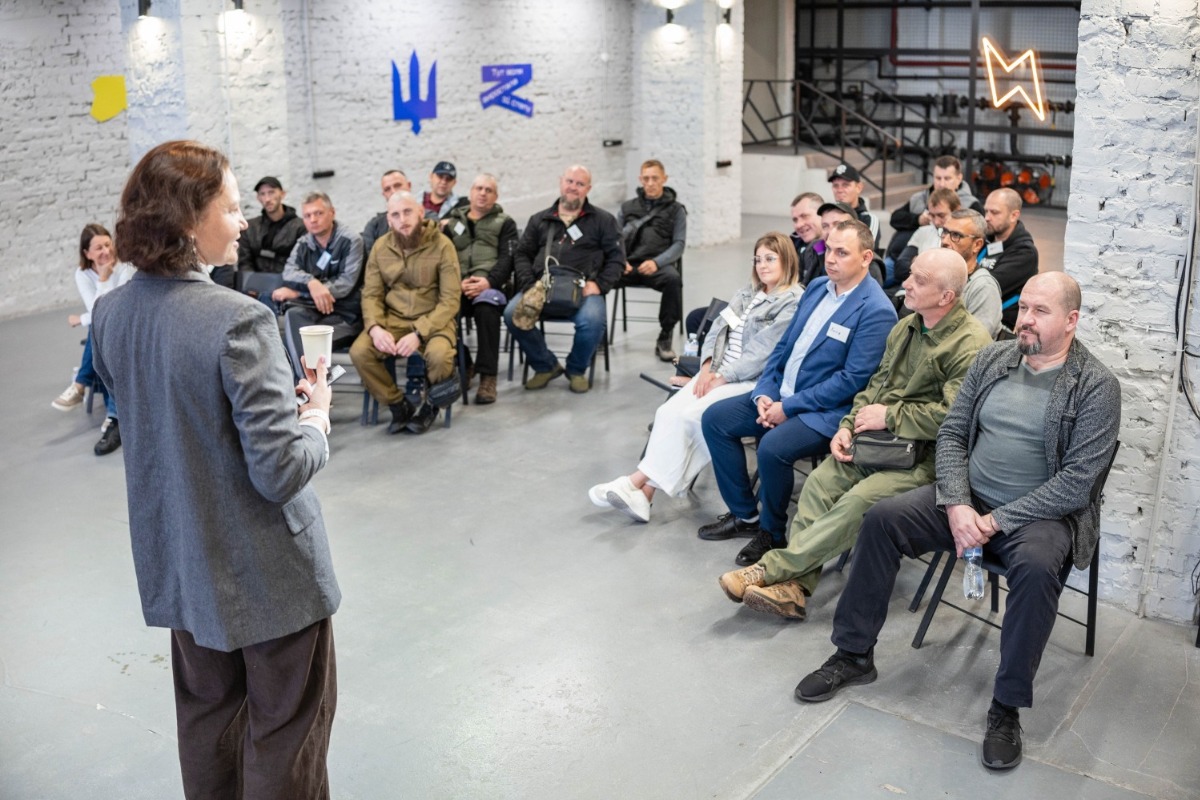
Psychological adaptation after military service was the focus of a meeting with a psychologist organised by Metinvest for veteran employees of Zaporizhstal and the company's other Zaporizhzhia-based facilities.
Such events have become a tradition, as they are in demand among veterans and provide practical value. For veterans, such meetings are not only an opportunity to receive practical advice from specialists, but also a space where they can talk about their experiences without having to explain anything.
"These meetings are very useful, as they cover different topics, particularly those related to psychology. When people return, they feel lost. They do not know where or how to begin a new life. Because when we return, it's a new life," said war veteran Yuliia PRUS, who works as a work coordinator at Zaporizhstal's sinter plant.
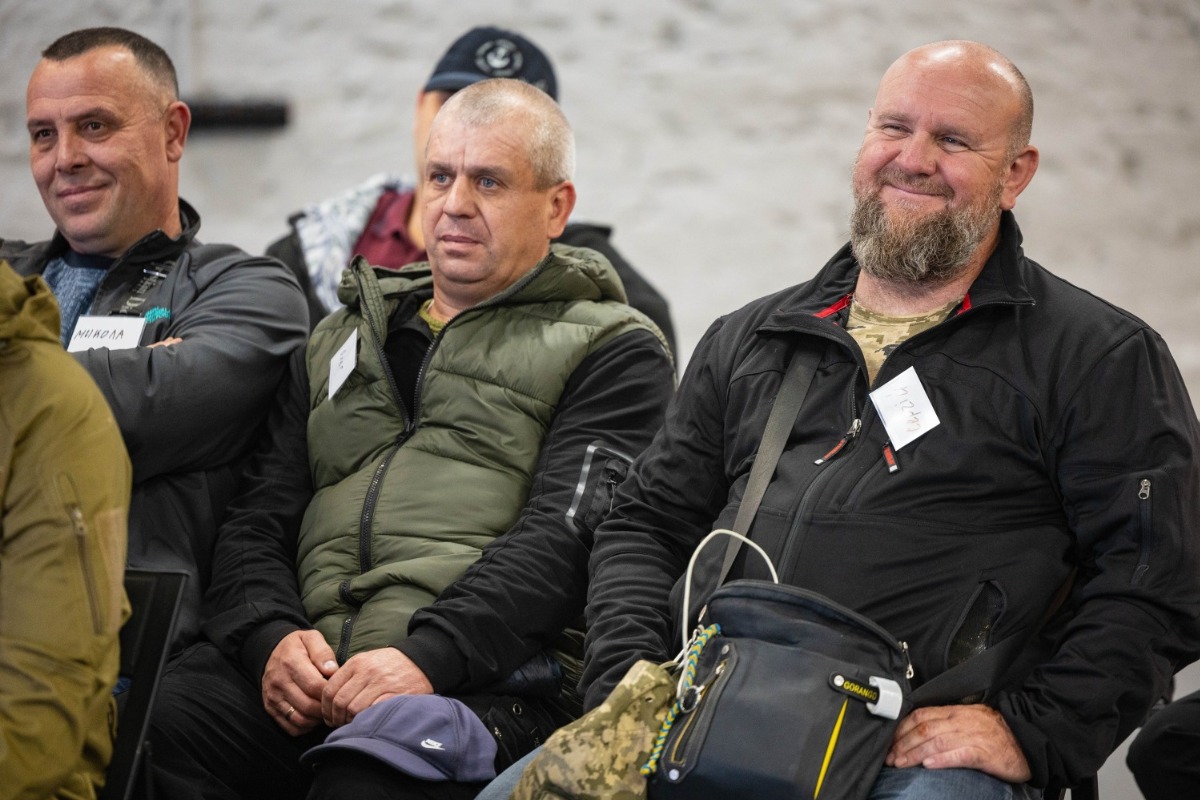
Equally important for veterans is connecting with fellow service members, people who share similar experiences and can understand things that are not always easy to explain to civilians.
"It can be a form of emotional support. A person may feel that something is missing, or they may feel lost. Things like that happen. Many return from the front line having suffered concussions," said war veteran Oleh SOTNYK, an operator of the cold rolling mill control room at Zaporizhstal.
According to psychotherapist and business trainer Olena Nikolska, those returning from military service may face a lack of understanding from civilians around them. Reactions that are normal for veterans in certain situations may be perceived by civilians as unusual or even unsettling.
"It is a matter of communication, of civilians not understanding them, not understanding some reactions, dramatising or even demonising them: ‘Oh my God, he ducked. Oh my God, he raised his voice. Oh my God, he is swearing more than he used to.’ These are completely normal reactions if we understand that the reality they were living in and the civilian reality they return to are two different levels of functioning," explained Olena NIKOLSKA.
She has been working for years with large companies and industrial enterprises on comprehensive workplace adaptation programmes for veterans. She stresses that after returning from the front line, it is important for a person not only to receive support but also to feel like a proper member of the team.
"At the end of the day, a human being remains a human being. They want to belong, they want to earn a living as they did before, and they want to be part of a team rather than being somewhere without even the ability to step outside. People want to be seen as normal. In fact, this is something we hear quite often: ‘People look at me as if I am not normal,’” the psychotherapist said.
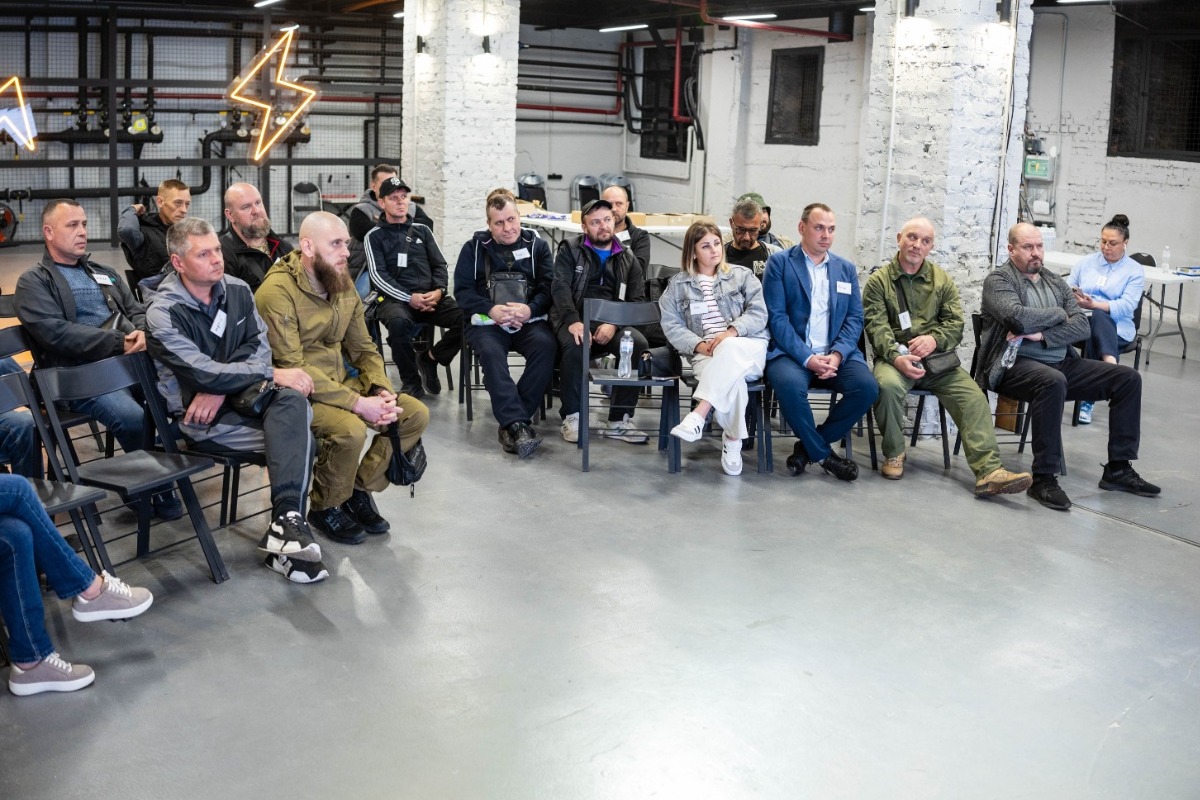
Veteran reintegration is not something that concerns only those returning from service. Employers and workplace teams that service members return to from the front line play an important role in this process. Today, nearly 400 veterans of the Russian-Ukrainian war work at Zaporizhstal and Metinvest's other facilities.
"Metinvest's enterprises provide comprehensive support to veterans. First, after they return from service. If they need to retrain for a new profession and find employment, they are given that opportunity. Unfortunately, nowadays, if you come back broken, no one needs you anymore. Metinvest does not forget its employees," said war veteran and head of Zaporizhstal's veteran community, Kostiantyn MATLAI.
Adaptation after returning from the front line can take time. And returning to civilian life does not necessarily mean that all difficulties are left behind on the day a veteran comes back to work. There should be people by their side who are ready to support them, listen to them, and understand them.
"It is also important to remember that a veteran, as a person and as part of the community, is someone whose return we look forward to, someone who returns to us and becomes part of us,” Olena Nikolska concluded.