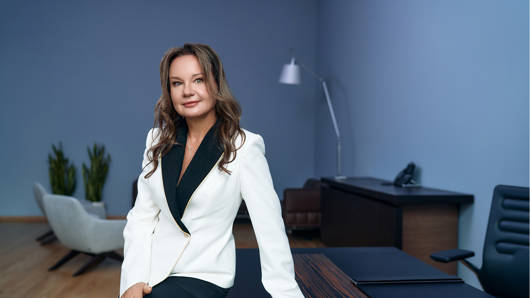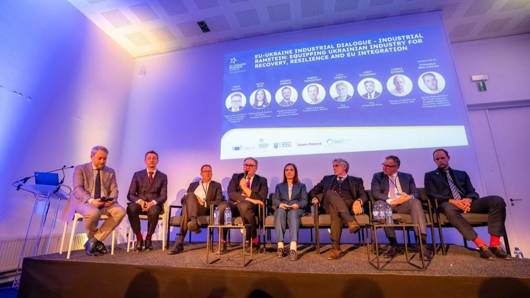

Karin Karlsbro, deputy chair of the European Parliament Committee on International Trade, recently visited Metinvest Group’s Northern Iron Ore and Kamet Steel. During the meetings held, discussions focused on support for Ukraine-EU trade, the implementation of the Carbon Border Adjustment Mechanism (CBAM), decarbonisation and integration of Ukrainian mining and steelmaking enterprises into the European market.
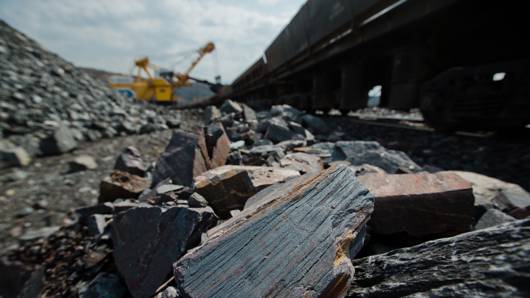
At Northern Iron Ore, the MEP discussed with Ihor Tonev, the CEO of Metinvest’s United Mining and Processing Plant, the challenges related to the war, employee safety issues, export conditions for Ukrainian steel and iron ore raw materials to the EU, and the readiness of Ukrainian industry for European integration.
Karin Karlsbro visited the construction site of Northern Iron Ore’s tailings thickening complex, a US$170 million investment project, where modern technologies are being applied to create an environmentally friendly hydraulic engineering facility. She was also informed about the plans for the construction of a new flotation and beneficiation complex as part of a programme to produce high-quality DR pellets for ‘green’ steel manufacturing.
Ihor TONEV said: “European integration is important for both Ukraine’s mining industry and the metals sector. We are interested in strengthening our position in the European market. In addition, I believe it is beneficial for the EU to have a partner such as Ukraine. In particular, because we are capable of supplying high-quality iron ore raw materials for the production of ‘green’ steel. We are ready to move towards modernising production in line with European environmental standards, but under wartime conditions, this is much more difficult for us than for our competitors. As such, today, Ukraine needs support in terms of maintaining a free flow of steel goods.”
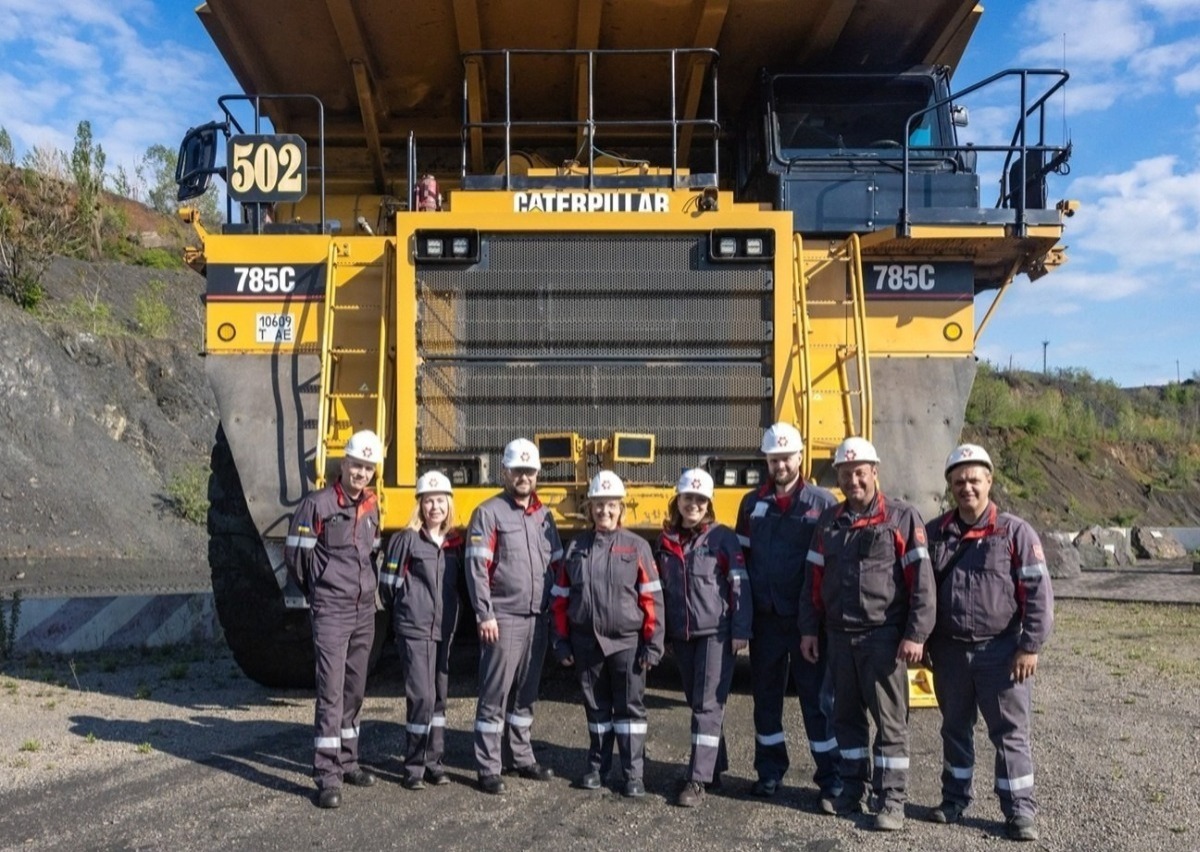
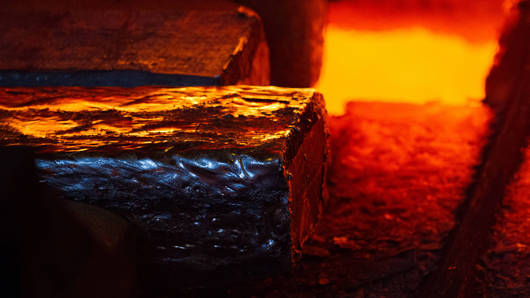
At Kamet Steel, the MEP observed the enterprise’s operations and energy infrastructure modernisation projects. Discussions focused on energy security, the transition to environmental standards and the integration of Ukraine’s mining and metals sector into European supply chains.
During the meetings at the Metinvest enterprises, particular attention was paid to the CBAM, which under wartime conditions creates additional financial and technical challenges for Ukrainian producers. As a result, European consumers are already increasingly choosing alternative suppliers, which is leading to a reduction in exports of Ukrainian pig iron, billets and rolled products.
Metinvest proposed introducing a temporary exemption, for the duration of martial law, from the financial component of the CBAM for goods imported from Ukraine as an EU candidate country affected by extraordinary wartime circumstances, while maintaining reporting obligations under the mechanism. After the war, another special supporting mechanism could be applied. Under it, Ukrainian enterprises could be permitted to use CBAM payments for imported Ukrainian products to finance their decarbonisation by buying European equipment for ‘green’ steel and ‘green’ energy production. Such a mechanism would preserve the long-term competitiveness of the industry and help to accumulate funds for environmental modernisation, while creating demand for advanced European technologies.
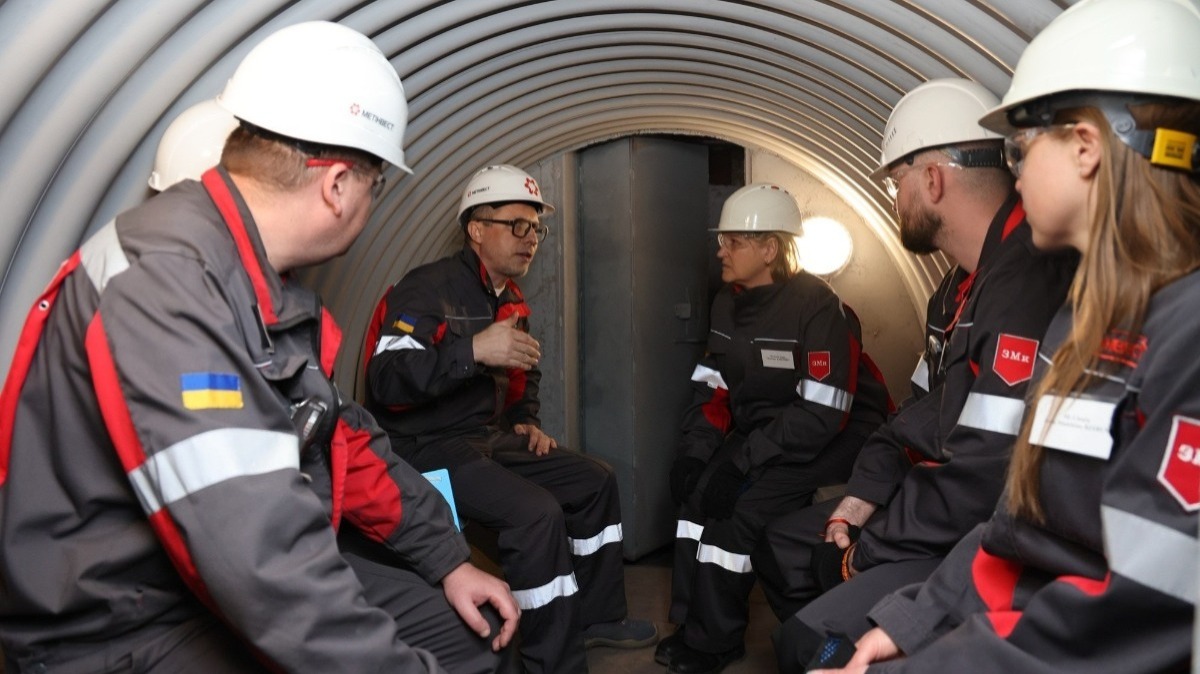
Karin KARLSBRO said: “The purpose of my visit was to see the real situation. While shaping the political agenda in the European Parliament, we must understand that Ukraine is in the same boat with us as a European state. I was aware of the strategic role of your metallurgy sector for the economy and resilience, but what I saw here is truly impressive: you continue to operate despite incredible difficulties. Outside Ukraine, not everyone fully understands the obstacles that Ukrainian enterprises and the people working here have to overcome. It was critically important for us to see with our own eyes the price at which the survival of industry is being achieved, and I am grateful for the opportunity to witness this. It is important for European institutions to recognise that by protecting itself and its economy, Ukrainian metallurgy – as part of Europe – is also helping to protect all of us.”